




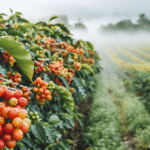



Seasonal eating is a simple yet powerful approach to nutrition that aligns food choices with the natural growing cycles of the environment. Consuming fruits and vegetables in season not only enhances flavour and nutrition but also supports local agriculture, contributing to a healthier planet. By choosing seasonal produce, individuals can take advantage of peak freshness and nutritional density, which is essential for optimal health.
Beyond personal health, seasonal eating promotes sustainability. It reduces the carbon footprint associated with transporting out-of-season foods from distant locations. This practice fosters a connection to the local ecosystem, encouraging a diet that is both mindful and environmentally responsible.
Incorporating seasonal foods into daily meals opens the door to a variety of flavours and nutrients that can improve overall well-being. By embracing this lifestyle, individuals can make choices that benefit their health and the health of the planet, creating a positive impact through their dietary habits.
The Fundamentals of Seasonal Eating
Seasonal eating revolves around choosing foods that are harvested at their peak ripeness during specific times of the year. This practice emphasises the importance of fresh, nutrient-dense produce and the benefits it brings to health and nutrition.
Understanding Seasonal Foods
Seasonal foods vary based on local climates and conditions. Consuming in-season produce means selecting fruits and vegetables that are naturally ripe at a given time, which often includes leafy greens, root vegetables, and various fruits. Fresh produce typically has a higher nutritional content, offering a rich array of vitamins and minerals. For example, strawberries are best in early summer, while squash thrives in autumn. You can often find seasonal food for sale at local farms, such as Lawndale Farm, where farmers will sell excess produce back to their community to help boost support and the economy.
- Eating seasonally allows individuals to enjoy a variety of flavours year-round.
- Seasonal foods are often more affordable since they are plentiful.
- Local farmers’ markets are excellent sources for finding in-season produce.
Benefits to Health and Nutrition
The health benefits of seasonal eating include improved nutrition and better flavour. Foods harvested at their peak possess greater antioxidant levels, vitamin C, and overall nutrient density. This can enhance immune function and contribute to a balanced diet.
- Seasonal fruits and vegetables often require less transportation, maintaining freshness.
- Engaging with seasonal eating can reduce carbon footprints by supporting local agriculture.
- A varied diet boosts the chances of obtaining essential nutrients, promoting overall health.
Adopting seasonal eating habits encourages a more vibrant and diverse dietary intake, positively impacting health outcomes.
Supporting Local and the Environment
Choosing seasonal foods offers benefits for both local economies and the environment. Embracing locally sourced produce fosters community connections and promotes sustainable practices. This approach not only enhances individual health but also nurtures a healthier planet.
Boosting the Local Economy
Purchasing seasonal produce from local farmers directly supports the community. Engaging with farmers’ markets and community-supported agriculture (CSA) allows consumers to invest in their local economy.
Local grocery stores benefit too, as they often prioritise regional products. This increased demand helps maintain farms, creating jobs and sustaining livelihoods. Fostering these relationships enhances food security and creates a resilient food system.
By choosing local produce, individuals contribute to a cycle of economic support that uplifts farmers and boosts community vitality.
Reducing Environmental Impact
Seasonal eating has a significant role in diminishing environmental impact. Local produce typically requires less transportation than imported goods, leading to reduced carbon footprints. Fewer miles travelled mean lower greenhouse gas emissions.
Sustainable farming practices adopted by local farmers further enhance this benefit. These methods conserve natural resources and promote biodiversity, positively impacting soil and water quality.
Moreover, community-supported agriculture initiatives often employ organic farming techniques, reducing the reliance on harmful pesticides. Supporting local food systems fosters a sustainable choice that protects the environment for future generations.
Practical Tips for Seasonal Eating
Seasonal eating promotes better health by encouraging the consumption of fresh produce that is at its peak. This approach focuses on locating seasonal items and integrating them effectively into daily meals.
Where to Find Seasonal Produce
Locating seasonal produce can enhance the quality of meals. Farmers’ markets are excellent venues for obtaining freshly harvested fruits and vegetables. They usually feature local vendors offering items that are in season.
Community Supported Agriculture (CSA) programmes are another source. By subscribing to a CSA, individuals receive a regular supply of seasonal produce directly from local farms.
Foraging can also provide unique, seasonal ingredients. Local groups often conduct foraging workshops to identify edible plants in the wild. Online seasonal produce calendars can help in determining what’s in season throughout the year.
Incorporating Seasonality into Your Diet
Incorporating seasonal foods can be straightforward. Meal planning around seasonal produce allows for creative cooking and reduces food waste. For instance, winter might bring root vegetables such as carrots and parsnips, while summer offers a bounty of berries and tomatoes.
Growing one’s own produce is an option for those interested in a hands-on approach. Even small spaces can accommodate herbs or salad greens in pots.
Lastly, a balanced diet rich in seasonal biodiversity not only promotes health but also supports local agriculture. Embracing the flavours of each season can lead to a more vibrant, nutrient-dense diet.
Beyond the Plate: The Broader Impact of Seasonal Choices
Seasonal eating extends beyond personal health, influencing environmental and economic aspects. Choosing seasonal produce supports local farmers and the community, fostering economic resilience.
Environmental Benefits:
- Reduces carbon footprint by minimising transportation costs.
- Encourages biodiversity as diverse crops thrive in various seasons.
Exploring seasonal foods promotes better nutrition. Consuming fruits and vegetables at peak ripeness ensures higher nutrient content. These foods are often fresher, tastier, and free from long storage times.
Community Engagement:
- Seasonal farmers’ markets provide social interactions.
- They cultivate awareness around local food systems.
By incorporating seasonal ingredients, individuals contribute to sustainable practices. This approach encourages a connection to the land and a deeper appreciation of food sources.
Economic Impact:
- Strengthening local economies by purchasing from nearby farms.
- Supporting small-scale farmers ensures a diversified food system.
Seasonal eating not only enhances personal health but also promotes a more sustainable and interconnected community. Awareness of seasonal produce can lead to choices that benefit individual well-being and broader societal health.