-

Why Homegrown Food Tastes Better and Lasts Longer: Benefits for Health and Sustainability
Many people find that homegrown food tastes fresher and richer in flavour compared to store-bought produce. This is because it is allowed to ripen naturally on the plant rather than being picked early for shipping. The direct cause of better taste and longer shelf life is that homegrown food retains more nutrients and moisture when…
-

Why Crop Rotation Matters on Small Farms for Sustainable Soil Health and Increased Yields
Small farms face unique challenges in maintaining soil fertility and managing pests without relying heavily on chemicals. Crop rotation is an effective strategy that helps address these issues by alternating different crops on the same land. Crop rotation improves soil health, reduces pest build-up, and boosts crop yields, making it essential for sustainable small-scale farming.…
-
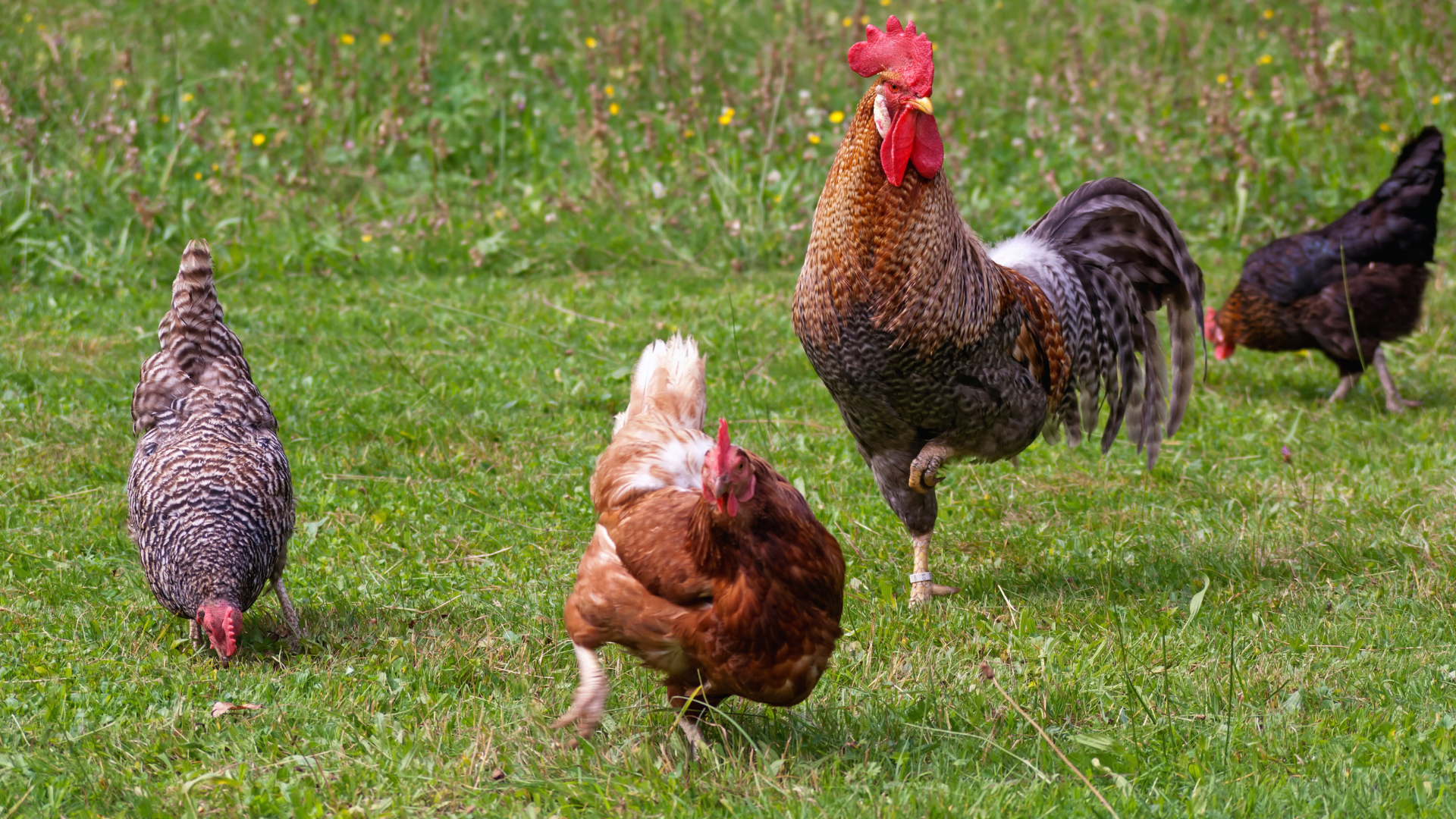
Why Chickens Are Great For A Regenerative Garden: Benefits And Practical Tips
Chickens play a practical role in regenerative gardens by naturally improving soil health and controlling pests. They scratch and dig, which aerates the soil and helps mix organic matter, boosting fertility without the need for chemicals. They also provide nutrient-rich manure that supports plant growth and encourages microbial activity. This cyclical process fosters a healthier…
-

How to Manage Pests Without Harsh Chemicals Using Safe and Effective Techniques
Pest management without harsh chemicals is achievable by using natural and preventative methods. This approach reduces harm to the environment and keeps homes and gardens safe for people and pets. Effective pest control can be achieved through techniques like proper sanitation, physical barriers, and encouraging natural predators. People can manage pests by maintaining cleanliness, removing…
-
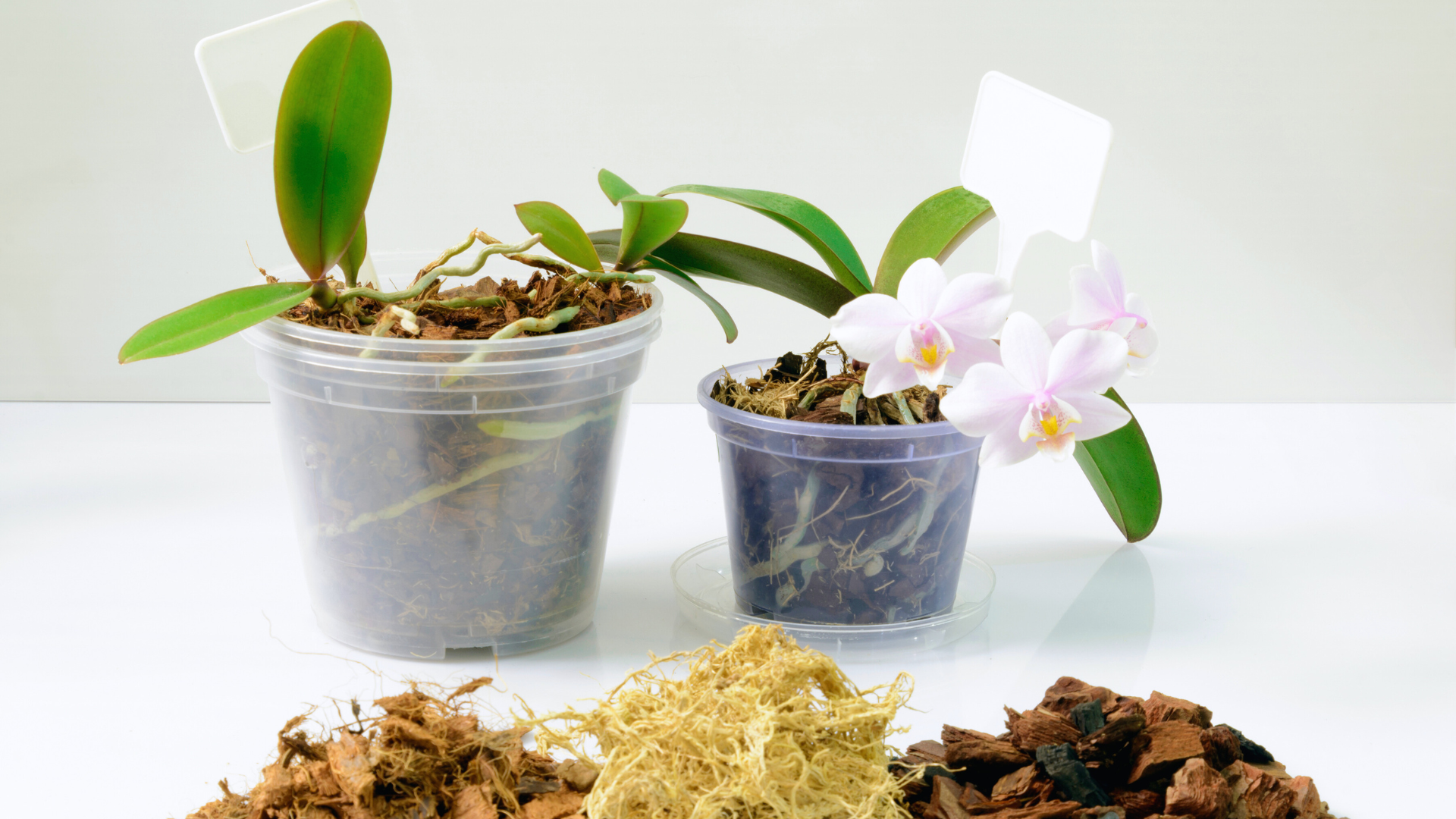
How Herbal Remedies Can Grow in Your Backyard: A Practical Guide to Cultivating Medicinal Plants
Many herbal remedies can be easily cultivated in a backyard with the right conditions and minimal effort. Plants like chamomile, mint, and lavender can grow well in most home gardens, providing fresh ingredients for natural health treatments. These herbs often require only basic soil preparation, adequate sunlight, and regular watering. Growing herbs at home offers…
-

How Companion Planting Benefits Crop Health and Enhances Sustainable Farming Practices
Companion planting is a gardening technique where different plants are grown close together to support each other’s growth. It benefits crop health by naturally reducing pests, improving soil quality, and enhancing plant resilience. By choosing the right combinations, gardeners can promote stronger, healthier crops without relying heavily on chemicals. This method works because certain plants…
-

How to Combine Livestock and Crops for Better Farming Practices
Combining livestock and crops is a strategy that many farmers are adopting to enhance their sustainability and productivity. Integrating livestock into a cropping system can lead to improved soil health, reduced reliance on chemical inputs, and increased economic resilience. This approach promotes nutrient cycling, where livestock manure enriches the soil and enhances crop yields. Farmers…
-

Why Organic Fertilisers Are Better Than Synthetic Ones: The Advantages for Sustainable Agriculture
The choice between organic and synthetic fertilisers can significantly impact the health of soil and crops. Organic fertilisers enrich the soil with vital nutrients while promoting biodiversity and ecological balance. As consumers become more aware of sustainable practices, the demand for organic options is steadily increasing. Synthetic fertilisers often deliver quick results, but they can…
-

Fun Ways to Get More Veggies into Your Family’s Meals: Creative Ideas for Healthy Eating
Families often struggle to incorporate enough vegetables into their meals. Exploring creative and enjoyable methods can make a significant difference in getting everyone on board with eating more greens. By making vegetables exciting and accessible, mealtime can become a more nutritious and enjoyable experience for everyone involved. Innovative ideas, such as blending vegetables into delicious…
-

How Regenerative Farming Improves Soil Health and Sustainability
Regenerative farming has emerged as a powerful solution for improving soil health. By prioritising practices that enhance biodiversity, these methods restore soil structure and increase nutrient cycling, leading to more resilient ecosystems. As the agricultural sector grapples with the challenges of climate change, these sustainable approaches are proving essential for long-term food security and environmental…


Farming Tips
Categorise
Recent Posts
- Why Reconnecting With Land Improves Wellbeing: Exploring the Health Benefits of Nature Connection

- Why Homegrown Food Tastes Better and Lasts Longer: Benefits for Health and Sustainability

- Why Eco-Habits Start with Small Steps for Lasting Environmental Impact

- Why Crop Rotation Matters on Small Farms for Sustainable Soil Health and Increased Yields

- Why Chickens Are Great For A Regenerative Garden: Benefits And Practical Tips