-
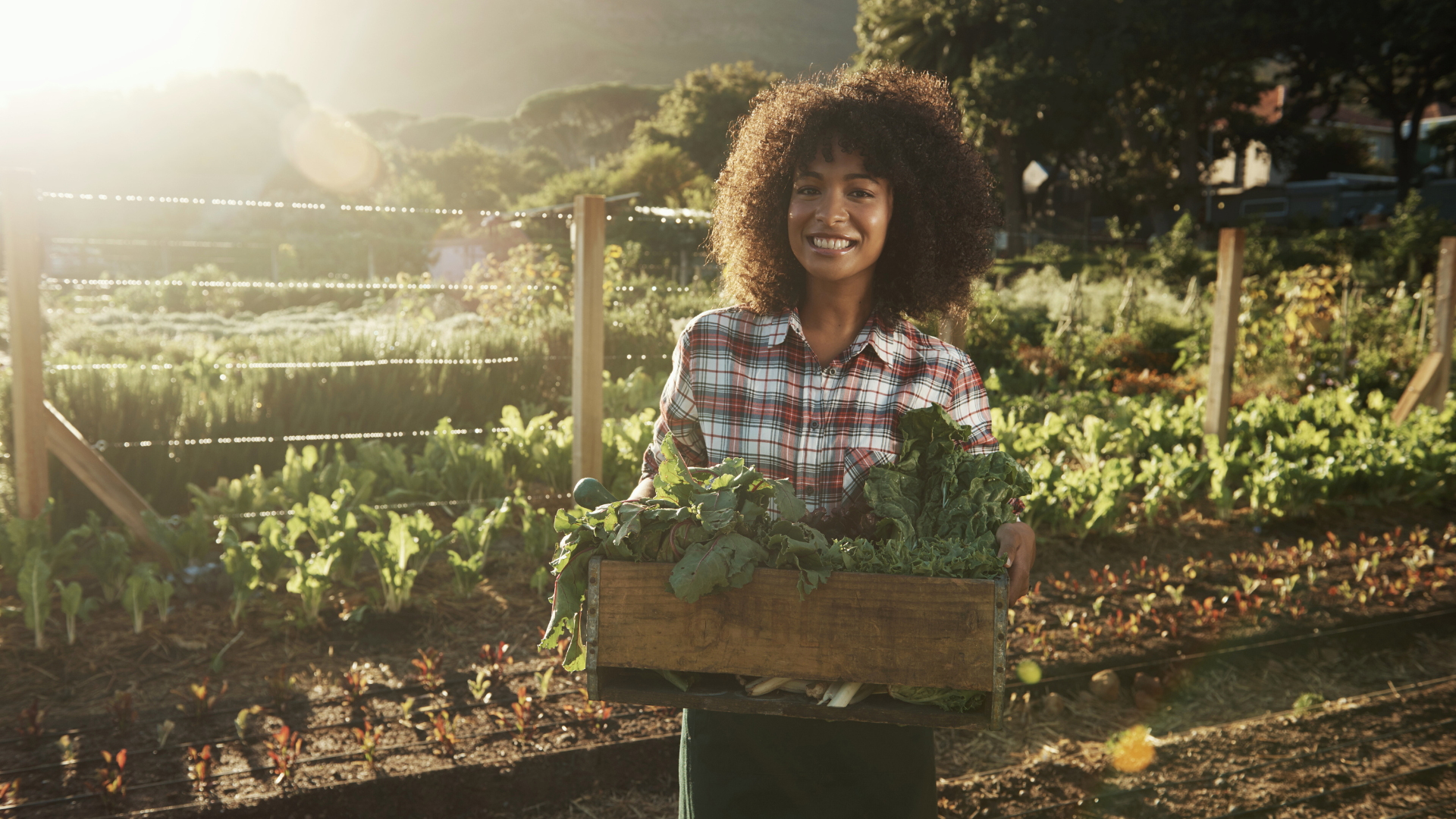
Why Reconnecting With Land Improves Wellbeing: Exploring the Health Benefits of Nature Connection
Many people feel a growing disconnect from nature due to urban living and technology. This separation can contribute to increased stress and reduced mental clarity. Reconnecting with the land offers a way to restore balance and improve overall well-being. Spending time outdoors and engaging with natural surroundings positively impacts mental health by reducing anxiety, boosting…
-

Why Biodiversity Starts in the Garden: Essential Steps for a Thriving Ecosystem
Biodiversity begins in the garden because it creates a vital habitat for a variety of plants, insects, and small animals. Gardens provide food, shelter, and breeding grounds that support local ecosystems, which help maintain ecological balance. By cultivating diverse plants and avoiding chemicals, gardens become small but powerful refuges for pollinators and beneficial species, boosting…
-

How to Create a Toxin-Free Home Environment for Healthier Living and Safety
Creating a toxin-free home environment begins with identifying and reducing sources of harmful chemicals. This includes choosing natural cleaning products, improving ventilation, and selecting furnishings made from non-toxic materials. The key to a toxin-free home is consistently replacing synthetic products with safer, natural alternatives and maintaining good air quality. This approach helps to minimise exposure…
-

How Meal Planning Reduces Food Waste and Saves Money Efficiently
Meal planning directly reduces food waste by allowing individuals to buy only what they need for specific meals. When people plan their meals ahead, they avoid impulse purchases and limit the risk of ingredients spoiling before use. This simple strategy leads to better portion control and prevents unnecessary leftovers that often go uneaten. By organising…
-

How Living Off-Grid Builds Resilience Through Practical Self-Sufficiency and Preparedness
Living off-grid forces individuals to develop practical skills and self-reliance in managing resources like water, energy, and food. This lifestyle builds resilience by teaching people how to adapt to challenges without relying on external systems or government services. When the grid fails or crises arise, those living off-grid are prepared to handle interruptions because they…
-

How to Read Food Labels to Make Smarter Choices for a Healthier Diet
Reading food labels is an essential skill for anyone aiming to make healthier choices. Understanding food labels can empower individuals to select nutritious options that align with their dietary goals. By focusing on key elements, such as serving sizes, calories, and nutrient content, consumers can better navigate the often confusing world of packaged foods. Nutrition…
-

How Your Diet Affects Your Mental Well-Being: The Connections Between Nutrition and Mind Health
The connection between diet and mental well-being has gained significant attention in recent years, revealing that what one eats can profoundly impact their mental health. Research indicates that a balanced diet rich in nutrients not only supports brain function but also plays a critical role in emotional regulation. This underscores the importance of nutrition in…
-

How to Reduce Plastic Waste at Home: Practical Tips for a Sustainable Lifestyle
Reducing plastic waste at home is a crucial step towards combating plastic pollution and fostering a more sustainable environment. Implementing simple changes in daily habits can significantly decrease the amount of plastic used, leading to a healthier planet. From mindful shopping to effective waste management, everyone can contribute to this important cause. Individuals can start…
-
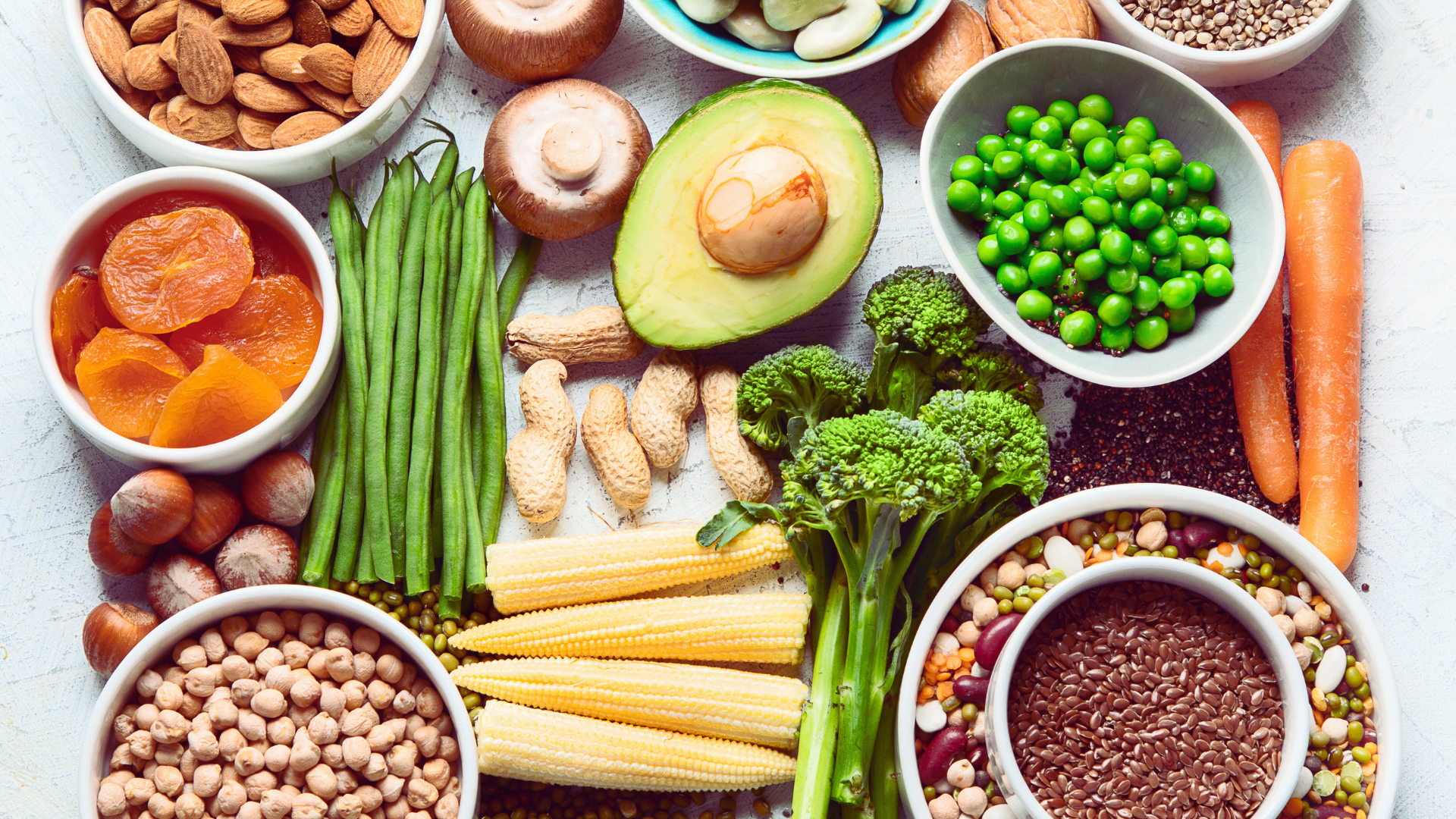
Plant-Based Diet Tips for Beginners: Essential Guidance for a Healthier Lifestyle
A plant-based diet can be an excellent choice for those seeking to improve their health and well-being. Transitioning to a plant-based lifestyle offers numerous health benefits, such as reduced risk of chronic diseases like heart disease, diabetes, and certain cancers. This approach to eating not only promotes weight loss and heart health but also supports…
-

What is Sustainable Living in Nature: Embracing Eco-Friendly Practices for a Greener Future
Sustainable living in nature involves making lifestyle choices that promote ecological balance and minimise environmental impact. It emphasises the importance of living in harmony with the natural world, utilising resources in a way that does not deplete them for future generations. This approach encourages individuals to adopt practices that support biodiversity and reduce waste. Those…

Lifestyle
Categorise
Recent Posts
- Why Reconnecting With Land Improves Wellbeing: Exploring the Health Benefits of Nature Connection

- Why Homegrown Food Tastes Better and Lasts Longer: Benefits for Health and Sustainability

- Why Eco-Habits Start with Small Steps for Lasting Environmental Impact
- Why Crop Rotation Matters on Small Farms for Sustainable Soil Health and Increased Yields

- Why Chickens Are Great For A Regenerative Garden: Benefits And Practical Tips