-

Why Reconnecting With Land Improves Wellbeing: Exploring the Health Benefits of Nature Connection
Many people feel a growing disconnect from nature due to urban living and technology. This separation can contribute to increased stress and reduced mental clarity. Reconnecting with the land offers a way to restore balance and improve overall well-being. Spending time outdoors and engaging with natural surroundings positively impacts mental health by reducing anxiety, boosting…
-

Why Homegrown Food Tastes Better and Lasts Longer: Benefits for Health and Sustainability
Many people find that homegrown food tastes fresher and richer in flavour compared to store-bought produce. This is because it is allowed to ripen naturally on the plant rather than being picked early for shipping. The direct cause of better taste and longer shelf life is that homegrown food retains more nutrients and moisture when…
-

Why Eco-Habits Start with Small Steps for Lasting Environmental Impact
Many people feel overwhelmed when trying to adopt eco-friendly habits because the challenge seems too big. However, small steps are crucial because they create manageable changes that build momentum over time. Starting with simple actions makes it easier to maintain steady progress without feeling discouraged. Small eco-habits also have a cumulative effect, multiplying their impact…
-

Why Crop Rotation Matters on Small Farms for Sustainable Soil Health and Increased Yields
Small farms face unique challenges in maintaining soil fertility and managing pests without relying heavily on chemicals. Crop rotation is an effective strategy that helps address these issues by alternating different crops on the same land. Crop rotation improves soil health, reduces pest build-up, and boosts crop yields, making it essential for sustainable small-scale farming.…
-
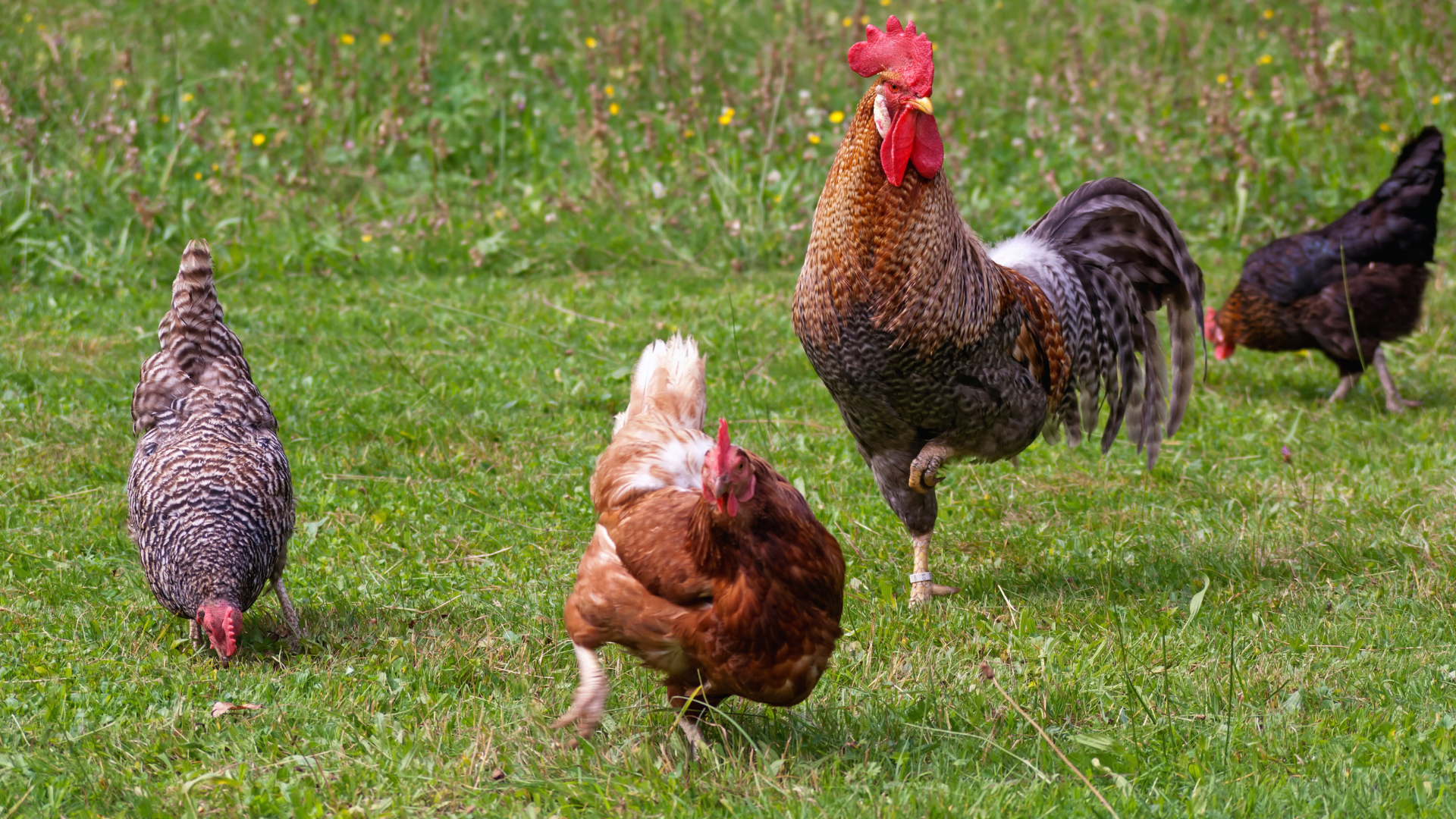
Why Chickens Are Great For A Regenerative Garden: Benefits And Practical Tips
Chickens play a practical role in regenerative gardens by naturally improving soil health and controlling pests. They scratch and dig, which aerates the soil and helps mix organic matter, boosting fertility without the need for chemicals. They also provide nutrient-rich manure that supports plant growth and encourages microbial activity. This cyclical process fosters a healthier…
-

Why Biodiversity Starts in the Garden: Essential Steps for a Thriving Ecosystem
Biodiversity begins in the garden because it creates a vital habitat for a variety of plants, insects, and small animals. Gardens provide food, shelter, and breeding grounds that support local ecosystems, which help maintain ecological balance. By cultivating diverse plants and avoiding chemicals, gardens become small but powerful refuges for pollinators and beneficial species, boosting…
-

How to Reduce Your Carbon Footprint Naturally with Simple Everyday Changes
Reducing a carbon footprint naturally means making everyday choices that lower the amount of greenhouse gases released into the atmosphere. Simple actions like using less energy, choosing sustainable transport, and eating locally produced food can significantly decrease one’s impact on climate change. These steps help slow the warming of the planet without relying heavily on…
-

How to Manage Pests Without Harsh Chemicals Using Safe and Effective Techniques
Pest management without harsh chemicals is achievable by using natural and preventative methods. This approach reduces harm to the environment and keeps homes and gardens safe for people and pets. Effective pest control can be achieved through techniques like proper sanitation, physical barriers, and encouraging natural predators. People can manage pests by maintaining cleanliness, removing…
-

How to Create a Toxin-Free Home Environment for Healthier Living and Safety
Creating a toxin-free home environment begins with identifying and reducing sources of harmful chemicals. This includes choosing natural cleaning products, improving ventilation, and selecting furnishings made from non-toxic materials. The key to a toxin-free home is consistently replacing synthetic products with safer, natural alternatives and maintaining good air quality. This approach helps to minimise exposure…
-

How Seasonal Eating Supports Body and Planet for Healthier Living and Sustainability
Eating seasonally benefits both the body and the planet by ensuring fresher, more nutrient-rich foods while reducing environmental impact. Foods grown in their natural seasons often contain higher levels of vitamins and minerals, supporting better health. Seasonal eating also minimises food miles, lowers greenhouse gas emissions, and reduces reliance on resource-intensive farming methods. This approach…


Categorise
Recent Posts
- Why Reconnecting With Land Improves Wellbeing: Exploring the Health Benefits of Nature Connection

- Why Homegrown Food Tastes Better and Lasts Longer: Benefits for Health and Sustainability

- Why Eco-Habits Start with Small Steps for Lasting Environmental Impact

- Why Crop Rotation Matters on Small Farms for Sustainable Soil Health and Increased Yields

- Why Chickens Are Great For A Regenerative Garden: Benefits And Practical Tips