



Many people find that homegrown food tastes fresher and richer in flavour compared to store-bought produce. This is because it is allowed to ripen naturally on the plant rather than being picked early for shipping. The direct cause of better taste and longer shelf life is that homegrown food retains more nutrients and moisture when harvested at peak ripeness.
Additionally, homegrown fruits and vegetables avoid prolonged transport and storage, which can degrade quality. Without exposure to harsh conditions or preservatives, they maintain their texture and flavour for longer periods. This offers a clear advantage for anyone looking to enjoy food that stays fresher after picking.
Growing food at home also allows control over growing conditions, including soil quality and the use of chemicals. This can contribute to healthier, more flavourful produce that lasts longer because it is grown in optimal environments rather than mass-produced for durability alone.
Why Homegrown Food Tastes Better
Homegrown food often surpasses store-bought produce in flavour due to factors like harvesting at peak ripeness, the presence of natural flavour compounds, and the use of diverse varietals. These elements combine to create richer, more complex tastes in homegrown fruits and vegetables.
Peak Ripeness and Immediate Harvest
Homegrown fruits and vegetables are typically picked at peak ripeness, unlike many store-bought varieties, which are harvested early for longer shelf life. This ensures the sugars, acids, and other flavour compounds have fully developed.
Harvesting at the right time means homegrown tomatoes, for example, have a deeper, sweeter taste compared to those picked green and ripened artificially. Immediate consumption after harvest preserves flavour integrity, which can diminish quickly in transport and storage.
Natural Flavour Compounds
Growing your own food allows for the development of natural flavour compounds without the pressure of mass production. These compounds, including sugars, acids, and aromatic oils, contribute directly to the intensity and complexity of taste.
Homegrown vegetables and fruits often have a more balanced pH and nutrient profile, which supports the creation of these flavour compounds. The avoidance of preservatives and chemicals common in commercial produce further preserves natural taste.
Varietal Choices and Heirloom Produce
Home gardeners can select from a wide range of heirloom and non-hybrid varieties. These offer flavour profiles rarely found in hybrid fruits and vegetables bred primarily for durability and uniformity rather than taste.
Heirloom homegrown tomatoes, beans, and other crops often boast unique flavours tailored to local climates and soils. This variety in choice allows for flavourful harvests that stand apart from the generic taste of most supermarket produce.
Homegrown Food Lasts Longer
Homegrown fruits and vegetables often maintain quality for longer periods than store-bought produce. This is due to factors such as immediate freshness, reduced transportation and storage times, and careful harvesting practices that preserve the natural lifespan of food.
Freshness Straight from the Garden
Homegrown food is typically harvested at peak ripeness, meaning it enters the kitchen with maximum freshness. Unlike store-bought produce, which may spend days in transit and on shelves, garden-picked items retain their natural moisture and flavour.
Freshness directly correlates with shelf life. The shorter the time between picking and consumption, the less the food degrades. This reduces wilting, soft spots, and nutrient loss.
Reduced Transport and Storage Time
Transporting produce from farms to supermarkets introduces delays that accelerate spoilage. Store-bought fruits and vegetables can spend several days or even weeks in cold storage and transit.
Growing your own food eliminates these delays entirely. Without long-distance shipping or extended refrigeration, homegrown fruit and vegetables experience less bruising and fewer exposure risks to temperature fluctuations, helping them stay fresh longer after harvest.
Minimising Premature Harvesting
Commercial suppliers often harvest crops before full ripeness to withstand transport times, sacrificing flavour and shelf life. Home gardeners can allow produce to fully mature, ensuring natural ripening processes are complete.
This practice leads to stronger cell walls and improved resistance to decay. Allowing plants to finish developing on the plant improves longevity and results in produce better suited for longer storage at home.
Nutritional Value and Soil Health
Homegrown food often contains higher levels of essential nutrients due to the close relationship between plant health and soil quality. The use of natural methods supports a richer soil microbiome, which improves the uptake of minerals and vitamins in crops.
Higher Nutrient Density in Homegrown Crops
Homegrown fruits and vegetables tend to have greater nutrient content, especially antioxidants, vitamin C, and calcium. This is partly because they are harvested at peak ripeness, preserving their nutritional value.
Unlike mass-produced crops, which can lose nutrients during long storage and transport, homegrown produce reaches consumption quickly, maintaining higher nutrient density. This reduces nutrient degradation and results in more nutritious food.
Role of Healthy Soil and Compost
Healthy soil is fundamental to producing nutritious crops. It contains a diverse soil microbiome that helps break down organic matter, enabling plants to absorb minerals effectively.
Using compost enriches soil structure and supports beneficial microorganisms. This natural process enhances the retention of nutrients like calcium, phosphorus, and potassium, which improve crop health and quality.
Avoiding Pesticides and Synthetic Fertilisers
Homegrown food usually involves minimal or no use of pesticides and synthetic fertilisers. Avoiding these chemicals helps maintain a balanced soil ecosystem and prevents nutrient depletion.
Chemical-free gardening supports the survival of beneficial organisms in the soil, improving nutrient cycling. It also reduces the risk of pesticide residues that can affect the taste and healthiness of the produce.
Sustainability and Environmental Impact
Growing food at home reduces reliance on commercial supply chains and lowers waste associated with excessive packaging. It also supports natural ecosystems and encourages practices that benefit the environment.
Reducing Food Miles and Packaging
Homegrown food eliminates the need for long-distance transport, significantly cutting down on food miles. Fewer food miles mean less fossil fuel consumption and lower carbon emissions.
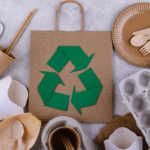
Additionally, home gardening reduces the need for single-use packaging such as plastic wraps and cardboard boxes. This minimises household waste and the environmental burden linked to packaging production and disposal.
By harvesting produce when fully ripe, nutritional quality is maximised without relying on preservatives or rapid transport methods, positively impacting both flavour and shelf life.
Supporting Biodiversity through Growing Food at Home
Growing a variety of plants in home gardens helps maintain local biodiversity. It fosters habitats for beneficial insects like bees and ladybirds, which play crucial roles in pollination and pest control.
Diverse gardens encourage soil health by promoting natural microbial activity and reducing the need for chemical fertilisers. This contrasts with monoculture farming that can deplete soil nutrients and harm ecosystems.
Encouraging native plant species alongside edible crops supports local wildlife and enhances ecological balance in urban and suburban areas.
Promoting Environmental Sustainability
Home food production promotes sustainable resource use by encouraging composting and water conservation. Gardeners often recycle organic waste into compost, reducing landfill contributions and improving soil structure.
Water use is often more efficient in gardens than in large-scale agriculture, as gardeners can tailor irrigation specifically to plants’ needs. This targeted approach reduces water waste and supports environmental sustainability.
Using fewer chemical pesticides and herbicides in home growing also lowers pollution risks to soil and waterways, contributing to a healthier environment.