





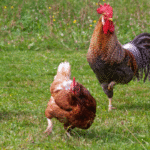


Sustainable livestock farming practices play a crucial role in addressing pressing global challenges such as climate change and food security. By adopting methods that prioritise environmental health, animal welfare, and resource efficiency, farmers can produce food in a way that is both ethical and viable for future generations. This approach not only helps mitigate the negative impacts of traditional livestock farming but also enhances agricultural resilience in the face of changing climates.
Keeping livestock safe within their environment is an essential part of running a farm. This can mean a variety of things such as regular trips to the vet for check ups and ailments, the use of gate brackets to secure the animals, and adapting food to get the best from the livestock. All of it comes together to allow for easier, sustainable, and secure management.
As the world grapples with the consequences of unsustainable agricultural practices, innovative techniques such as rotational grazing, integrated crop-livestock systems, and agroecology offer promising solutions. These methods reduce greenhouse gas emissions, enhance soil health, and improve water management, contributing to a more sustainable food system. Moreover, sustainable livestock farming can boost food security by ensuring that communities have reliable access to nutritious and sustainably produced food.
Exploring these practices reveals the potential for a more harmonious relationship between livestock farming and the environment. The shift towards sustainable methods not only benefits farmers and consumers but also plays a vital part in combating climate change, making it a necessary focus for the future of agriculture.
Understanding Sustainable Livestock Practices
Sustainable livestock farming involves practices that balance the needs of the livestock sector with environmental stewardship and social responsibility. This section explores the principles that guide sustainable farming, its significance in global agriculture, and the challenges and opportunities faced by producers.
Principles of Sustainable Livestock Farming
Sustainable livestock farming is guided by several key principles aimed at minimising impact on the environment while ensuring economic viability and social equity.
- Resource Efficiency: Utilisation of feeds, water, and land is optimised to reduce waste and greenhouse gas emissions.
- Animal Welfare: Ensuring that animals are treated humanely contributes to healthier livestock and better-quality products.
- Biodiversity Conservation: Integrating livestock systems with diverse cropping methods promotes ecosystem health.
- Community Engagement: Involving local communities fosters practices that uphold social values and cultural heritage.
By adhering to these principles, farmers can create systems that are resilient and productive.
Significance in Global Agriculture
The livestock sector plays a crucial role in global agriculture, providing food, income, and employment to millions. Sustainable practices in this sector contribute significantly to food security and economic stability.
- Economic Impact: Livestock farming supports livelihoods and generates income through meat, milk, and other products.
- Nutritional Value: Livestock is a vital source of protein and nutrients for populations worldwide, especially in developing regions.
- Environmental Benefits: When managed sustainably, livestock production can reduce greenhouse gas emissions and promote carbon sequestration.
Implementing sustainable practices helps ensure that agriculture meets the needs of current and future generations.
Challenges and Opportunities
Despite its benefits, sustainable livestock farming faces various challenges that require innovative solutions.
- Policy and Regulation: Inconsistent policies can hinder the adoption of sustainable practices.
- Market Demand: Consumer preference for sustainably produced goods is growing, presenting opportunities for farmers to capture new markets.
- Technological Advancements: Innovations in breeding, feeding, and waste management can enhance sustainability efforts.
Addressing these challenges while capitalising on emerging opportunities can lead to advancements in sustainable livestock farming.
Environmental Impacts and Adaptation Strategies
Sustainable livestock farming practices have a significant impact on environmental health. Key areas of focus include mitigating climate change and greenhouse gas emissions, conserving biodiversity, and managing water resources and soil health effectively.
Mitigating Climate Change and GHG Emissions
Livestock farming contributes to greenhouse gas emissions, particularly methane, which has a higher global warming potential than carbon dioxide.
Strategies to reduce these emissions include:
- Improving Feed Efficiency: Utilising high-quality feed can enhance digestion, leading to reduced methane production.
- Waste Management Practices: Implementing anaerobic digestion can capture methane from manure, converting it to biogas.
- Breeding for Lower Emission Traits: Selecting breeds that naturally produce less methane during digestion can also help.
These measures not only address climate change but can also improve profitability for farmers through increased efficiency.
Biodiversity Conservation and Land Use
Sustainable livestock farming practices can play a critical role in conserving biodiversity.
- Rotational Grazing: This technique helps prevent overgrazing and promotes more diverse plant life, which supports various animal species.
- Agroforestry: Integrating trees into pasturelands enhances habitat complexity and provides shade for livestock, benefiting both flora and fauna.
- Preserving Native Ecosystems: Sustainable practices can protect native habitats from degradation, preserving essential biodiversity.
By focusing on these strategies, farmers can maintain ecosystems while ensuring productive livestock systems.
Water Management and Soil Health
Water use efficiency and soil health are crucial for sustainable livestock farming.
- Rainwater Harvesting: Collecting and storing rainwater can reduce dependency on groundwater and improve water availability during dry periods.
- Soil Fertility Management: Techniques such as cover cropping and reduced tillage enhance soil structure and biodiversity, leading to better water retention and nutrient cycling.
- Targeted Irrigation Practices: Employing drip irrigation can optimise water use and minimise waste, making farming more sustainable.
These practices contribute to resilient farming systems capable of adapting to changing environmental conditions.
Social and Economic Perspectives
Sustainable livestock farming practices play a significant role in enhancing livelihoods and economic viability. They also contribute to food security and improve human nutrition, particularly in rural communities and developing countries.
Livelihoods and Economic Viability
Sustainable livestock farming supports rural livelihoods by creating job opportunities and generating income. This sector often employs local farmers, providing them with an economic foundation.
Benefits include:
- Enhanced job creation in both direct farming and related industries.
- Increased income through diversification of livestock products such as dairy, meat, and wool.
By adopting sustainable methods, farmers can reduce costs associated with feed and veterinary care. Such practices also help mitigate environmental degradation, ensuring long-term viability and resilience against climate challenges. Many farmers find that the initial cost of new equipment or sustainable systems is a barrier to making these changes. Accessing specialized finance for farms helps spread these costs over a longer period. This approach makes it easier to invest in modern machinery or green technology without draining cash reserves. Having the right funding in place allows a business to stay competitive while meeting new environmental standards. It also provides a safety net when market prices for meat or dairy fluctuate.
Food Security and Human Nutrition
Sustainable livestock farming contributes to food security by improving the availability of nutritious food. Livestock production is essential for many households, especially in developing countries where reliance on animal sources is high.
Key aspects of this contribution include:
- Provision of essential nutrients, including protein, vitamins, and minerals.
- Support for local economies through the production and sale of animal products.
Moreover, these practices can enhance community resilience. By better-integrating livestock systems with crop production, communities can achieve stable food supplies and improved nutrition outcomes. This integration promotes a balanced diet and addresses malnutrition issues prevalent in rural areas.
Advances and Innovations
Innovative practices in livestock farming focus on enhancing animal welfare, improving genetics, and integrating technology. These developments lead to sustainable agricultural productivity while addressing environmental concerns.
Enhancing Animal Health and Welfare
Recent advancements emphasise monitoring and improving animal welfare through better veterinary services and husbandry practices. Technologies like wearable devices provide real-time health data, enabling farmers to detect issues early. Infrastructure also plays a role—installing equipment such as a cattle guard can help manage livestock movement safely and reduce stress on animals by minimizing the need for physical barriers like gates.
Benefits include:
- Reduced antibiotic usage by promoting proactive health management.
- Enhanced understanding of animal physiology to inform care practices.
Farmers are adopting humane handling techniques, reducing stress and improving overall productivity. Welfare audits help ensure compliance with ethical standards, fostering consumer trust.
In practical terms, early intervention is crucial for managing common health issues. Take, for example, foot rot in sheep, a painful condition causing lameness, that could be effectively controlled using natural remedies supporting hoof health and immune function.
Similarly, bloat in cattle can often be mitigated through careful monitoring, dietary adjustments, and the strategic use of natural supplements and probiotics that promote healthy digestion and prevent gas buildup.
Ultimately, these proactive measures tend to allow animals to thrive with minimal aggressive treatments, aligning animal welfare with sustainable farming practices.
Genetic Improvement and Breeding
Genetic improvement plays a crucial role in sustainable livestock farming. The use of advanced breeding techniques, such as genomics, allows for more precise selection of desirable traits.
Key aspects include:
- Increasing resistance to diseases and improving growth rates.
- Better feed efficiency, reducing environmental impact.
By focusing on specific genetic traits, farmers can enhance productivity while maintaining animal health. This targeted approach also supports biodiversity, benefiting ecosystems and farming communities alike.
Precision Farming and Technology Integration
Precision livestock farming harnesses technology to optimise management practices. Tools such as drones and automated feeding systems allow for precise monitoring of animal behaviour and health.
Key technologies include:
- Data analytics for assessing livestock growth and health metrics.
- Remote sensing for monitoring pasture quality and animal location.
This integration of technology leads to efficient resource use, reducing waste and enhancing productivity. Farmers benefit from targeted interventions based on collected data, promoting a more sustainable approach to livestock management.