





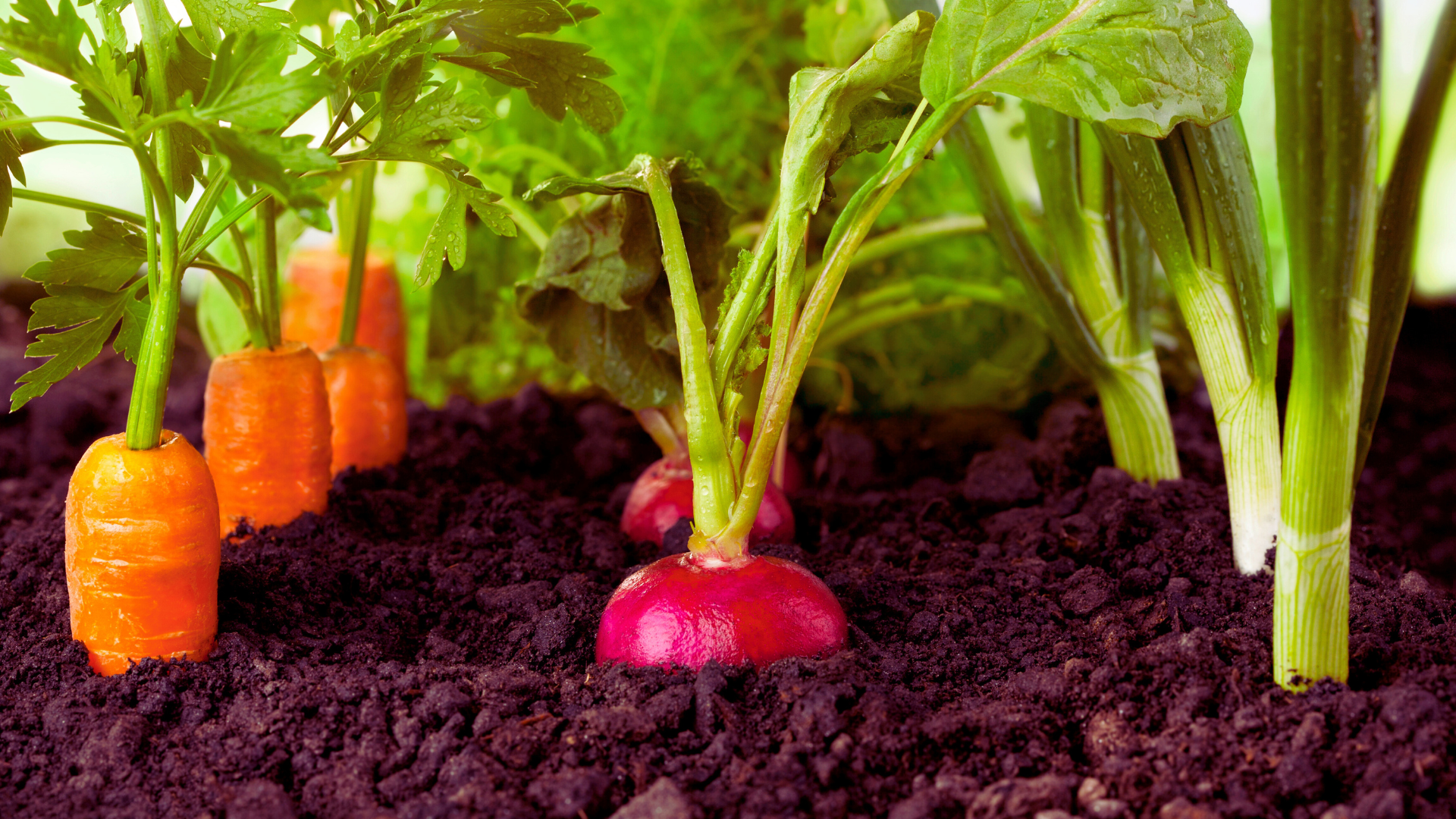

Starting an organic vegetable garden can be an enriching experience that yields fresh produce and enhances well-being. For beginners, the key to success is to start small, focusing on a few easy-to-grow vegetables that thrive in local conditions. This approach helps new gardeners build confidence and knowledge without feeling overwhelmed.
Organic gardening not only promotes healthier eating but also benefits the environment by reducing chemical usage. Selecting organic seeds and using natural fertilisers will help cultivate a thriving garden while supporting biodiversity. Simple techniques such as composting and crop rotation can further improve soil health and maximise yield.
With the right tips and techniques, anyone can enjoy the satisfaction of growing their own organic vegetables. Engaging with the community through local gardening groups can offer additional support and inspiration. Starting this journey opens doors to a fulfilling hobby and a sustainable way of life.
Planning Your Organic Vegetable Garden
Effective planning is crucial for a thriving organic vegetable garden. Key factors include selecting the best location, understanding local climate conditions, testing soil health, and choosing the right organic seeds and plants.
Choosing the Right Location
The garden’s location plays a significant role in its success. A space with full sun exposure for at least six to eight hours daily is ideal for most vegetables. This ensures plants receive adequate light for photosynthesis.
Additionally, the site should have good drainage to prevent waterlogging. Avoid areas with excessive shade, especially from trees or structures. A flat or slightly sloped area is preferred for ease of access and maintenance. If you have a stump from an old tree in this area, then it would be a good idea to take a look into a stump grinding service, so you can keep it clear when planting.
Consider proximity to water sources for irrigation. Having a garden near the home can encourage regular care and monitoring.
Taking help from Tampa Bay sod services, or elsewhere, can also provide a strong, level base for planting while preventing soil erosion and improving drainage. Professionals can assist in land preparation, including soil amendment and leveling, ensuring the garden is ready for vegetables while establishing a healthy, uniform lawn.
This approach not only saves time but also supports long-term soil health, making the garden both productive and visually appealing.
Understanding Climate and Hardiness Zones
Understanding the local climate and plant hardiness zones is essential for selecting suitable crops. Each zone offers specific temperature ranges that impact the growth cycle.
For instance, in the UK, the Hardiness Zone can vary from 8 (milder) to 4 (colder). Knowing your zone will guide the choice of vegetables that can thrive in your area.
It’s also vital to consider seasonal changes. Some plants are best sown in spring, while others may be more suitable for autumn planting. Local weather patterns should be monitored, as unexpected frosts can damage delicate seedlings.
Soil Testing and Amendments
Soil health is foundational for a successful organic garden. Conduct a soil test to determine pH and nutrient levels. This data helps in making informed decisions about necessary amendments.
Usually, a neutral pH of around 6.0 to 7.0 is ideal for most vegetables. If the soil is too acidic or alkaline, amendments like lime or sulphur can adjust its pH.
Incorporating organic matter, such as well-rotted compost or manures, enhances soil structure and nutrient content. Regular soil testing should be a habit to maintain optimal soil health over time.
Selecting Organic Seeds and Plants
Choosing organic seeds and plants ensures chemical-free produce. Seek out seeds that are certified organic, which indicates they are grown without synthetic pesticides or fertilisers.
Consider local nurseries or seed banks that specialise in varieties suited to the climate and soil conditions of the region. Heirloom varieties often offer superior flavour and adaptability.
Planning for crop rotation can also enhance soil health and reduce pest issues. Each planting season, alternate types of vegetables to maintain a balanced ecosystem in the garden. This method supports long-term gardening success.
By following these planning steps, a gardener can set the groundwork for a productive organic vegetable garden.
Soil Management and Fertility
Maintaining soil management and fertility is crucial for successful organic vegetable gardening. Healthy soil enhances plant growth by providing essential nutrients and supporting beneficial organisms. The following key areas play a vital role in achieving and sustaining optimal soil conditions.
Building Healthy Soil with Organic Matter
Organic matter is the foundation of healthy soil. It improves soil structure, increases moisture retention, and provides food for beneficial microbes. Common sources include well-rotted manure, leaf litter, and cover crops.
To build healthy soil, gardeners can follow these steps:
- Incorporate Organic Material: Add compost or manure to the soil before planting.
- Use Mulches: Apply organic mulches to suppress weeds and retain moisture.
- Plant Diversity: Include a variety of plants to enhance nutrient cycling and prevent disease.
By regularly adding organic matter, soil fertility will improve over time, leading to robust vegetable growth.
Composting Essentials
Composting is an effective way to recycle kitchen scraps and garden waste into valuable organic fertiliser. A well-managed compost pile can produce rich compost that enhances soil health. Key components for successful composting include:
- Balance of Materials: Combine green materials (nitrogen-rich) like vegetable scraps with brown materials (carbon-rich) such as dried leaves.
- Aeration: Turn the compost regularly to ensure adequate airflow, promoting decomposition.
- Moisture Levels: Maintain a damp but not waterlogged environment to facilitate microbial activity.
Compost should be ready in a few months to a year, depending on conditions. Applying finished compost to the garden boosts nutrient levels and enhances soil biology.
The Role of Microbes in Soil Fertility
Microbes are essential players in soil fertility. They help decompose organic matter, turning it into nutrients plants can absorb. Beneficial microbes include bacteria, fungi, and protozoa.
Strategies to foster a healthy microbial community include:
- Avoiding Chemical Fertilisers: Synthetic products can harm beneficial microbes.
- Adding Organic Amendments: Regularly apply compost or worm castings to promote a diverse microbial population.
- Maintaining Soil Moisture: Keeping soil consistently moist helps microbial activity thrive.
By nurturing these microorganisms, gardeners can improve nutrient availability, leading to healthier plants and increased yields.
Cultural Practices for Organic Vegetables
Utilising cultural practices is essential for successful organic vegetable gardening. Techniques such as crop rotation, companion planting, effective mulching, and raised beds can significantly enhance soil health, improve biodiversity, and promote robust vegetable growth.
Implementing Crop Rotation
Crop rotation involves changing the planting location of specific crops each season. This practice helps prevent soil nutrient depletion and reduces the risk of pests and diseases that thrive on particular plants.
For instance, rotating legumes with heavy-feeding crops like tomatoes can replenish nitrogen levels. It is also beneficial to avoid planting similar families consecutively. Following a sequence of crop families over several years fosters healthier soils and reduces reliance on external fertilisers.
Companion Planting Strategies
Companion planting enhances biodiversity by placing compatible plants together. Certain plants can repel pests, attract beneficial insects, or improve nutrient availability.
For example, planting marigolds alongside vegetables can deter nematodes and other pests. Similarly, planting basil near tomatoes enhances flavour while warding off insects. It helps to study combinations that have historically proven successful, ensuring a beneficial ecosystem in the garden.
Effective Mulching Techniques
Mulching is vital in organic gardening, as it conserves moisture, suppresses weeds, and improves soil quality. Organic mulches such as straw, wood chips, and grass clippings can enrich the soil as they decompose.
A 5-10 cm layer of mulch around vegetables helps regulate soil temperature and reduces the need for frequent watering. Choosing local native plants for mulch can also enhance the local ecosystem by encouraging beneficial wildlife to thrive and contributing to the garden’s biodiversity.
Utilising Raised Beds
Raised beds can improve drainage and soil temperature, creating an ideal environment for many vegetables. These beds allow for customised soil mixtures, which can be tailored to specific crops.
They also reduce compaction, offering roots more space to grow. Furthermore, raised beds can be built to accessible heights, making gardening easier for those with mobility issues. Adding borders of companion plants around raised beds can further increase biodiversity and establish a thriving vegetable garden ecosystem.
Organic Pest and Weed Management
Effective pest and weed management in organic gardening relies on understanding the ecosystem. By fostering beneficial insects, using natural pest control options, implementing physical barriers, and applying organic weed control methods, gardeners can protect their crops sustainably.
Encouraging Beneficial Insects and Wildlife
Introducing beneficial insects encourages a balanced ecosystem. Ladybugs, lacewings, and predatory beetles prey on common pests like aphids and caterpillars. Planting flowers such as marigolds and chamomile attracts these helpful insects, providing nectar and pollen.
Creating habitats for wildlife can also enhance pest control. Birdhouses and native plants attract birds, which helps to reduce pest populations. Additionally, installing small ponds can draw in frogs and other wildlife that prey on unwanted insects.
Maintaining a variety of plants strengthens the garden’s biodiversity. This diversity can help disrupt pest life cycles and make it more difficult for pests to thrive.
Natural and Organic Pesticides
Organic pesticides provide an effective solution for pest management. Common options include neem oil and diatomaceous earth, both of which are derived from natural sources. Neem oil disrupts the life cycle of pests, making it harder for them to reproduce.
Homemade sprays using ingredients like garlic, chilli pepper, or soap can deter pests without harming beneficial organisms. These sprays should be applied in the early morning or late afternoon to minimise impact on pollinators.
Additionally, using eco friendly pest control methods can also help in maintaining a balanced ecosystem in the garden. These methods can reduce the pest population while also making sure that the environment remains safe for other wildlife and plants. Gardeners must always read labels and understand the properties of any pesticide. Organic doesn’t mean non-toxic; therefore, care must be taken to use these products responsibly and effectively.
Physical Barriers and Protection Measures
Physical barriers provide an effective line of defence against pests. Row covers can help shield young plants from harmful insects while allowing sunlight and moisture through.
Using fine mesh nets can prevent larger pests like birds and rabbits from accessing vegetables. Mulching not only suppresses weeds but also discourages certain pests by creating a barrier between the soil and plants.
Regularly inspecting plants, especially the undersides of leaves, ensures that any infestations are caught early. Prompt action can prevent a small issue from escalating into a larger problem.
It would also be a good idea to put up a small shed that can house all of your equipment and tools, so you can tend to the vegetables quickly. It will also stop you from leaving out these items which can cause them to rust and get in the way of growth. You can get sheet metal work done to help you with building your own shelter that fits your measurements.
Organic Weed Control Methods
Weeds compete for nutrients and moisture, harming garden yield. One effective method is hand weeding, allowing for targeted removal without harming surrounding plants.
Utilising organic mulch, such as straw or wood chips, can suppress weed growth by blocking light. This not only reduces weed competition but also enhances soil health over time.
Cover cropping is another effective practice. By planting specific crops that outcompete weeds during the off-season, gardeners can suppress weed growth and enrich the soil with organic matter when those crops are turned under.
Employing these methods fosters a healthier gardening environment and promotes sustainability.