

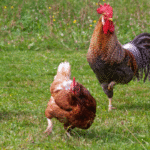


Growing up on a farm was a unique and special experience for me. My name is Vicky and I grew up on a small family farm. We had a dairy farm with cows, chickens, pigs, and even a few horses. Living on a farm was an adventure that provided many valuable life lessons and taught me the importance of hard work and perseverance.
Early Responsibilities and Daily Life
One of my favorite memories from growing up on the farm was helping my dad with the cows. Every morning and evening, we would milk the cows and then feed and care for them. It was hard work, but I loved being around the animals and helping out. I learned a lot about responsibility and dedication through this work.
Another fond memory of mine is gathering eggs from the chickens. My siblings and I would compete to see who could collect the most eggs each day. It was a small but fun challenge that taught us the importance of teamwork and encouraged us to work together to achieve a common goal.
Learning to Respect Nature
Living on a farm also taught me the importance of taking care of the environment. We relied on the land for our livelihood, so it was crucial that we took care of it. My parents taught us about the importance of recycling, composting, and reducing waste. We also planted gardens and grew our own vegetables, which taught us about sustainable living and the importance of eating fresh, healthy foods.
The Value of Hard Work
One of the most valuable lessons I learned from living on a farm was the importance of hard work. On the farm, there was always work to be done, whether it was caring for the animals, tending to the fields, or fixing equipment. Keeping machinery running was especially critical, and maintaining parts like cummins fuel shutoff solenoids was essential to ensure tractors and diesel engines operated safely and efficiently. We learned that hard work was necessary for success and that it paid off in the end. This lesson has stayed with me throughout my life and has helped me succeed in my personal and professional endeavors.
Understanding Life and Loss
Living on a farm also taught me about the cycle of life and death. We raised animals for food, and while it was never easy to see them go, it taught me to value life and treat every animal with care and respect. It also made me more mindful of what we have and the responsibility that comes with it. That same sense of care extended to how we looked after different animals on the farm. Horses, for example, needed special attention. During winter, when they couldn’t move around as freely, we had to find ways to keep them active. Today, some places use a treadmill for horses to help maintain their fitness, which shows how animal care has gradually evolved over time.
Life Beyond the Farm
Now, as an adult living in the city, I often reflect on the lessons I learned growing up on the farm. Although I am no longer surrounded by cows and chickens, the values and skills I learned have stayed with me. I have a deep appreciation for hard work and the environment, and I strive to live a sustainable and responsible life.
The Importance of Community
Living on a farm also taught me the value of community. In a rural area, everyone knows each other and helps each other out. We would often go to our neighbors’ farms to help with work, and they would do the same for us. This sense of community and support was invaluable and taught me the importance of helping others and building strong relationships.
Considering a Move to Rural Living
Living in a rural area is not the same as simply having a larger garden or a quieter view. It can mean taking on more responsibility for the land, outdoor spaces, access roads, utilities, and the practical routines that come with a less central location. For some people, that independence is exactly what makes the lifestyle appealing; for others, it may require more planning than expected.
Before moving from a city or suburb, it helps to think about the parts of daily life that will change. Travel times, access to shops and services, internet availability, water and waste systems, property maintenance, and space for animals or equipment can all shape whether a rural home is the right fit. Visiting an area more than once and asking detailed questions about the property can give a more realistic picture than a first impression alone.
Buyers should also be clear about what they want from the move. Some are looking for privacy and room to spread out, while others want land for horses, gardens, workshops, family gatherings, or a slower pace of life. A property with acreage can offer remarkable flexibility, but it also comes with choices about how much time, upkeep, and responsibility you are comfortable taking on.
For people considering an estate, equestrian, or acreage lifestyle on the Santa Rosa Plateau, exploring luxury real estate in la cresta ca can help put different property types, settings, and lifestyle priorities into perspective before making a move.
The best rural home is not necessarily the largest or most secluded one. It is the one that supports the life you want to live, with enough space and practical convenience to make everyday routines sustainable over the long term.
Facing Challenges on the Farm
There were also many challenges that came with living on a farm. Farming is a tough and unpredictable business, and we faced many obstacles over the years. From bad weather to equipment breakdowns (which flexible loans can help with if you need financial support), we had to learn to adapt and overcome these challenges. These experiences taught me the importance of resilience and perseverance, which have helped me in my personal and professional life.
Family at the Core
Living on a farm also taught me the importance of family. Farming is a family business, and we all had to work together to make it successful. We would often spend long hours working alongside each other, but it was also a lot of fun. These shared experiences brought us closer together as a family, and I am grateful for the memories we created.
Appreciating Simple Moments
Some of the best moments were the quiet ones. Sitting around the table after a long day, sharing a home-cooked meal, and talking about the day. It made me realise that you don’t need much to feel content.
You might think farm life is lonely, but in many ways, it’s the opposite. Neighbors look out for each other. If someone needs help, others step in. We often worked on each other’s farms, sharing both the workload and the sense of connection that came with it.
Farm Life – An Idyllic Lifestyle?
Living on a farm is often associated with idyllic images of wide-open spaces, fresh air, and wholesome living. But what does it really entail? This section will introduce the topic of rural living and explore the common misconceptions surrounding it.
What Does Life on a Farm Entail?
Farming is hard work, and living on a farm is no different. In this section, we’ll dive into the nitty-gritty of what farm life entails, from daily chores to seasonal work.
The Daily Routine: Morning Chores and Evening Rituals
Farms operate on a schedule that revolves around the animals and the land. This section will explore the daily routine of a farm, including morning chores and evening rituals.
Seasonal Work: Planting, Harvesting, and More
Farming is a seasonal occupation, and each season brings its own set of tasks. From planting in the spring to harvesting in the fall, this section will explore the different types of seasonal work that farmers undertake.
The Rewards of Farming: Fresh Food, Hard Work, and Community
Despite the challenges, farming is a rewarding lifestyle. It was an experience that I would not trade for anything. It taught me valuable life lessons and helped shape me into the person I am today. Whether you are considering moving to a rural area or not, I hope that my experiences and insights have given you a better understanding of what life on the farm is really like.
Final Thoughts
Despite the challenges, living on a farm was an incredibly rewarding experience that taught me valuable lessons and helped shape who I am today. It taught me the importance of hard work, family, community, and the environment. It also instilled in me a sense of resilience and perseverance that has helped me overcome challenges and succeed in life.
If you are considering living on a farm or in a rural area, I would encourage you to do so. While it may not be for everyone, it can be an enriching experience. It will teach you valuable skills and values that will stay with you for a lifetime.