




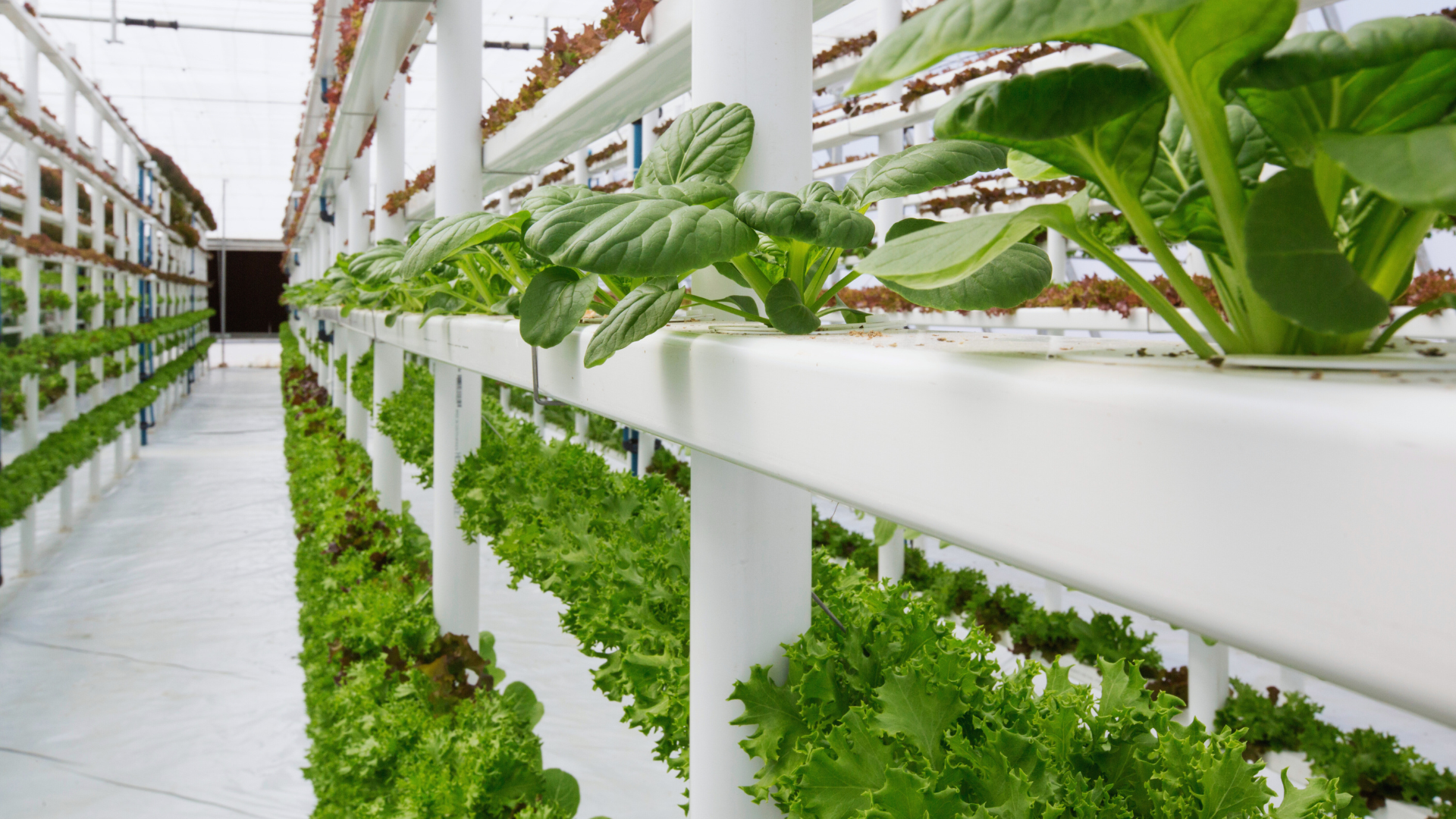

Vertical farming is an innovative agricultural practice that involves growing crops in controlled, indoor environments, often using stacked layers. This method maximises space and optimises resource use, allowing for food production in urban areas and regions with limited arable land. By harnessing technology such as hydroponics and aeroponics, vertical farms can reduce the reliance on pesticides and significantly decrease water consumption.
As urban populations continue to rise, the need for sustainable food sources becomes increasingly critical. Vertical farming offers a solution by enabling year-round crop production while minimising transportation costs and reducing carbon footprints. Enthusiasts argue that this method could revolutionise how city dwellers access fresh produce.
The potential of vertical farming extends beyond mere food supply; it also promotes local economies and can contribute to reduced food wastage. As interest in sustainable practices grows, understanding vertical farming becomes essential for anyone invested in the future of agriculture.
Fundamentals of Vertical Farming
Vertical farming represents a transformative approach to agriculture, integrating innovative techniques and technologies. This method allows for the production of food within controlled environments, maximising space and efficiency.
History and Development
The concept of vertical farming emerged prominently in the late 20th century, driven by the need for sustainable agricultural practices in urban areas. Early examples utilised hydroponics, which enabled growers to cultivate plants without soil.
In the 1990s, visionary architect Dickson Despommier popularised the idea through his advocacy for high-rise farms in urban settings. As urban populations grow, so too does the demand for local food sources, prompting advancements in indoor agriculture. Today, vertical farms utilise highly controlled conditions to optimise crop growth, reducing resource use and transportation costs.
Key Principles of Vertical Farming
Vertical farming relies on several key principles. It employs Controlled Environment Agriculture (CEA), which precisely manages factors like temperature, humidity, light, and nutrients.
The use of LED lighting is common, providing tailored light spectrums ideal for plant growth while minimising energy consumption. Hydroponics and aeroponics are typical growing methods, allowing plants to thrive without extensive soil requirements.
Additionally, vertical farms often implement urban farming practices, utilising limited space effectively. By stacking crops in layers, they significantly increase yield per square metre, addressing land shortages in urban centres. These principles position vertical farming as a critical component in future food production strategies, addressing environmental and logistical challenges in agriculture.
Technological Innovations in Vertical Farming
Vertical farming leverages various technological advancements to optimise space, resources, and crop yield. The following highlights key innovations that shape this industry: hydroponics, LED lighting, and automation techniques.
Hydroponics, Aeroponics, and Aquaponics
Hydroponics involves growing plants in nutrient-rich water solutions without soil. This method allows precise control over nutrient delivery, promoting faster growth and higher yields. Aeroponics takes it further by suspending plants in the air while misting their roots with nutrients, optimising water use and growth rates.
Aquaponics combines hydroponics with aquaculture, allowing plants and fish to thrive in a mutually beneficial environment. The waste from fish nourishes the plants, while the plants filter the water for the fish. Each method supports sustainable farming and reduces the ecological footprint associated with traditional agriculture.
Implementing these sophisticated growing techniques, whether hydroponic, aeroponic, or aquaponic, necessitates a robust infrastructure of specialized equipment. The efficacy of nutrient delivery systems, environmental sensors, advanced LED lighting, and automated climate controls directly impacts a vertical farm’s productivity and resource efficiency.
Therefore, careful consideration must be given to selecting durable and precise tools that can withstand continuous operation and optimize crop growth. Understanding the range of available machinery is crucial for farmers aiming to maximize their indoor agricultural output. For insights into various types of essential, Visit AgriClicks for Agricultural Equipment, or similar companies, which can support the operational demands of modern vertical farms.
LED Lighting and Environmental Control
LED lighting plays a crucial role in vertical farming, offering energy-efficient illumination tailored to plant needs. Different wavelengths of light promote various growth phases, enhancing photosynthesis and crop quality.
Environmental control systems manage temperature, humidity, and CO2 levels, ensuring optimal growing conditions. These systems often utilise sensors and automation for real-time adjustments, enhancing resource efficiency. Reduced energy consumption is a significant benefit, allowing farms to operate sustainably while maximising output.
Automation and Traceability
Automation in vertical farming streamlines operations, improving efficiency and reducing labour costs. Automated systems can handle seeding, nutrient delivery, and harvesting, enabling consistent crop management.
Traceability technology tracks the journey of crops from seed to harvest. This ensures quality control and transparency, important for consumer trust in food safety. Through precise data management, farmers can optimise production and respond rapidly to market demands, thus enhancing profitability.
Environmental and Social Impacts
Vertical farming presents several significant environmental and social impacts. It offers sustainable practices that can reduce resource use, positively affects biodiversity, and addresses key challenges in food security in an increasingly populated world.
Sustainable Practices and Resource Use
Vertical farming utilises innovative technologies that optimise resource efficiency. Systems often implement hydroponics, aeroponics, and aquaponics, which consume up to 90% less water compared to traditional farming methods.
Additionally, many vertical farms use renewable energy sources, such as solar or wind power. This reduces the dependency on fossil fuels, leading to lower carbon emissions. Such practices contribute to a smaller ecological footprint and promote sustainability while meeting the needs of the growing global population.
Impact on Biodiversity and Arable Land
Vertical farming’s footprint on biodiversity and arable land is generally less destructive than conventional agriculture. With the ability to grow food in urban areas, it diminishes the need to convert natural habitats into farmland.
This approach helps preserve ecosystems and wildlife habitats while allowing urban centres to thrive. Furthermore, it often employs integrated pest management techniques that reduce reliance on harmful pesticides, promoting a healthier environment for both flora and fauna.
Addressing Food Security and Food Miles
Vertical farming plays a crucial role in enhancing food security by providing local produce in close proximity to consumers. Reducing food miles cuts down on the transportation emissions associated with traditional supply chains, which typically require extensive logistics.
Local food production can increase availability and access to fresh produce, especially in urban areas where traditional farming is impractical. This not only supports local economies but also mitigates the risks associated with long supply chains, such as spoilage and fluctuating availability.
The Future Prospects of Vertical Farming
As vertical farming technology advances, its integration into urban lifestyles and its potential for scalability and economic viability become increasingly important. These aspects could redefine food production in densely populated areas, addressing both environmental and economic challenges.
Integration into Urban Environments
Vertical farming enables food production within city limits, significantly reducing food miles. Farms can be set up in containers, utilising underutilised urban spaces like rooftops or abandoned buildings. This approach contributes to local food security, particularly for leafy greens, herbs, and even fruits like strawberries.
The creation of microclimates within these farms optimises growth conditions. Advanced farming technologies can regulate light, temperature, and humidity, ensuring consistent harvests throughout the year. By bringing food production closer to consumers, cities may experience a reduction in transportation emissions and an increase in fresh produce availability.
As vertical farming systems expand within urban environments, controlled post-harvest handling and movement become essential in maintaining efficiency alongside storage, handling, and distribution planning. This includes coordinated systems for maintaining product quality after harvest, efficient movement through supply chains, moving under controlled conditions using agriculture transportation, and ensuring compliance with food safety standards. Together, these operational layers help ensure that urban-grown produce reaches consumers in optimal condition while supporting the overall efficiency of the system.
Scalability and Economic Viability
Scalability is a critical factor in the success of vertical farming. As demand for local produce rises, these farms can expand capacity easily by adding more layers or building new facilities. This flexibility allows for adjustments based on market needs.
Economic viability hinges on decreasing operational costs and increasing yields. Innovative techniques can mitigate issues like pest infestations, often found in traditional farming. Indoor environments allow for controlled growth cycles, leading to more efficient harvests and potentially higher profits. The combination of technology and urban integration could set a new standard in food production.