




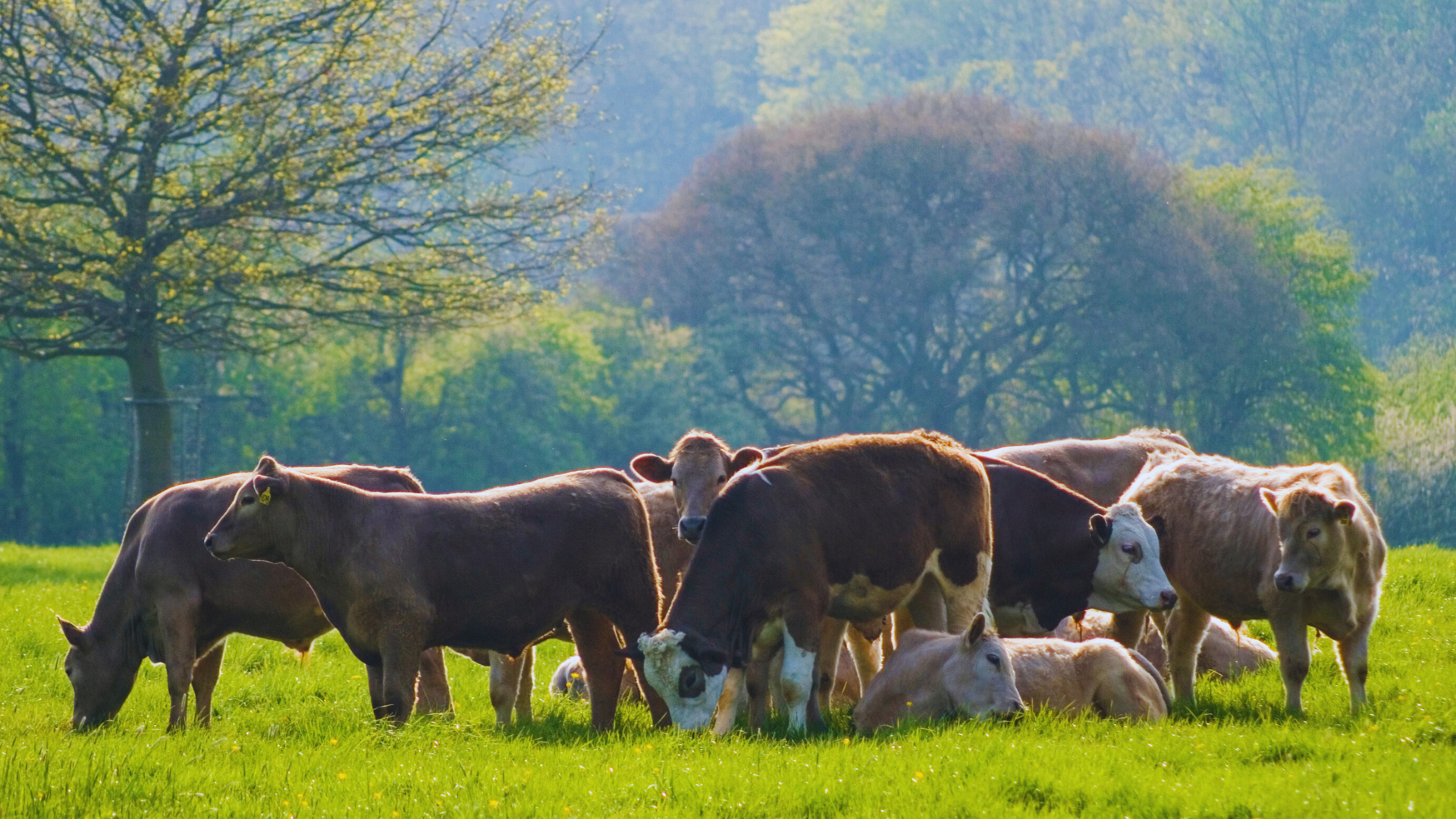

Combining livestock and crops is a strategy that many farmers are adopting to enhance their sustainability and productivity. Integrating livestock into a cropping system can lead to improved soil health, reduced reliance on chemical inputs, and increased economic resilience. This approach promotes nutrient cycling, where livestock manure enriches the soil and enhances crop yields.
Farmers can effectively manage their resources by rotating crops and livestock, which helps mitigate pests and diseases while optimising land usage. This integrated system not only supports biodiversity but also helps in maintaining a balanced ecosystem, making it easier to adapt to changing climatic conditions.
As they consider this method, farmers must evaluate their specific circumstances to implement the right balance between crops and livestock. Through careful planning and management, these integrated systems can yield significant benefits, fostering both environmental stewardship and economic viability.
Understanding the Basics of Integrated Farming
Integrated farming combines the cultivation of crops with livestock production, creating a synergistic relationship that enhances agricultural efficiency. This approach leads to better soil health, improved nutrient cycling, and increased biodiversity, all contributing to sustainable food production.
The Role of Livestock in Sustainable Agriculture
Livestock plays a crucial role in sustainable agriculture by providing manure, which enriches soil fertility. Manure acts as an organic fertiliser, supplying essential nutrients like nitrogen, phosphorus, and potassium.
Additionally, livestock can help control weeds and pests through grazing, reducing the need for synthetic herbicides and pesticides. This natural pest control method promotes biodiversity, fostering a more resilient ecosystem.
Livestock also provides multiple outputs, including meat, milk, and wool, creating diverse income streams for farmers. By integrating livestock into crop production systems, farmers can optimise resource use while maintaining a balanced ecosystem.
Key Principles of Crop Production and Management
Effective crop production hinges on several key principles. Crop rotation is vital for preventing soil depletion and controlling pests and diseases. Different crops contribute various nutrients to the soil, promoting a healthier environment.
Adopting cover cropping techniques can enhance soil structure, reduce erosion, and improve moisture retention. These crops are typically planted during off-seasons and contribute organic matter to the soil upon decomposition.
Moreover, precision agriculture technologies enable farmers to monitor soil conditions and crop health accurately. This data-driven approach ensures the efficient application of water and nutrients, maximising yield while minimising waste.
Importance of Soil Health and Fertility
Soil health is fundamental to successful integrated farming systems. Healthy soil supports diverse microbial communities, which play a crucial role in nutrient cycling. Organic matter improves soil structure and fertility, enabling crops to thrive.
Incorporating practices such as reduced tillage preserves soil integrity and protects against erosion. Keeping the soil covered with plants or mulch enhances moisture retention and suppresses weeds.
Soil testing helps farmers assess nutrient levels and pH, guiding them in making informed decisions regarding fertiliser application. Maintaining optimum soil health is vital for sustaining productivity and ensuring long-term agricultural viability.
Best Practices for Combining Livestock and Crops
Integrating livestock and crops can enhance farm productivity and sustainability. Employing specific methods helps optimise resources and promote biodiversity, providing significant benefits to the overall system.
Effective Livestock Integration Techniques
Utilising livestock in a cropping system can take various forms. Rotational grazing is an effective method where livestock graze on different plots, allowing vegetation to recover. This improves pasture health and nutrient cycling.
Additionally, incorporating livestock can help manage crop residues. Cattle and sheep can graze leftover plant material, which reduces the need for mechanical tillage. This practice preserves soil structure and prevents erosion.
Moreover, integrating livestock with crops can enhance nutrient management. For instance, manures from livestock serve as a rich source of organic matter and essential nutrients when used as soil amendments. Employing best management practices ensures balanced nutrient application, fostering crop growth while maintaining soil health.
Advantages of Crop Rotation and Intercropping
Crop rotation involves alternating different types of crops over seasons. This practice interrupts pest cycles and improves soil fertility through diverse root systems. Rotating legumes with grains, for example, revitalises soil nitrogen levels.
Intercropping, where two or more crops are grown in proximity, maximises space and minimises competition. It promotes beneficial plant interactions. For instance, pairing legumes with cereals can enhance nitrogen fixation while optimising resource use.
These practices collectively lead to increased yields and reduced pest pressures. The diversity created by rotating and intercropping can result in improved biodiversity, which supports pest control and enhances resilience against climate variability.
Utilising Cover Crops for Soil and Livestock Benefits
Cover crops play a vital role in sustainable farming. These crops, grown primarily for soil protection rather than harvest, enhance soil health by preventing erosion and improving structure.
Incorporating cover crops such as clover or rye provides additional benefits. They fix nitrogen, contributing to nutrient availability for subsequent crops. After a cover crop cycle, these plants can be tilled into the soil, acting as a green manure that enriches the soil with organic matter.
Moreover, cover crops can serve as forage for livestock during the off-season. This practice not only ensures that livestock have access to nutritious feed but also reduces feed costs. By adopting cover crops, farmers can effectively improve soil quality while enhancing overall farm productivity.
Ecological and Economic Benefits
Integrating livestock with crop production creates a sustainable system that enhances both ecological health and economic viability. This synergy leads to improved nutrient management, reduced reliance on chemical inputs, and positive impacts on biodiversity.
Enhancing Nutrient Management and Cycling
Livestock contribute significantly to nutrient cycling. Manure from animals serves as a natural fertiliser, returning essential nutrients back to the soil.
This process enhances soil organic matter and promotes healthier crop growth.
By combining crop residues with livestock manure, farmers can improve nutrient availability while reducing the need for synthetic fertilisers.
Utilising cover crops alongside livestock can further enhance soil fertility and structure, creating a more resilient farming system.
Reducing Inputs: Pesticide and Fertiliser Considerations
The integration of livestock and crops allows for a more sustainable approach to pest and weed management.
By employing integrated pest management (IPM) strategies, farmers can reduce their reliance on chemical pesticides.
For instance, livestock can graze on specific weeds and pests, naturally controlling their populations.
This method reduces the need for chemical herbicides and fosters a healthier ecosystem.
Moreover, the nutrient cycling from manure decreases the necessity for synthetic fertilisers, delivering both economic and environmental benefits.
Impacts on Biodiversity and Environmental Stewardship
The combination of livestock and crops creates diverse habitats that promote biodiversity.
Diverse farming systems support a broader range of beneficial organisms, such as pollinators and pest predators.
This, in turn, enhances environmental stewardship by making farming practices more sustainable.
Farmers committed to these practices contribute to sustainable development and improved food safety through reduced environmental impact.
Adopting this approach not only benefits the ecosystem but also aligns with consumer demand for environmentally friendly and responsibly produced food.
Challenges and Considerations in Integrated Systems
Integrating livestock and crops presents practical challenges. These issues revolve around labour costs, adapting to environmental conditions, and engaging the community to ensure sustainable food production.
Addressing Labour Costs and Efficiency
Labour costs can significantly impact the economic viability of integrated farming systems. The need for skilled labour in both crop and livestock management may require investment in training.
Additionally, time management becomes crucial. Farmers must determine the best methods for synchronising tasks, such as planting and animal care.
For instance, utilising machinery can enhance efficiency but also increase upfront costs.
Effective planning helps optimise labour resources, minimising waste and increasing productivity. Exploring seasonal labour availability can also provide more flexibility.
Adapting to Local Climate and Land Conditions
Local climate and land quality directly influence the success of integrated farming. Each region has unique conditions that affect crop yields and livestock performance.
Farmers must assess soil types, water availability, and temperature variances when selecting suitable crops and livestock breeds.
Integrating climate-resilient practices can mitigate the impacts of climate change. For example, crop selection that matches local climate trends can help enhance productivity and soil health.
Moreover, sustainable practices such as cover cropping and crop rotation can improve land conditions while benefiting livestock.
Community Engagement and Sustainable Food Production
Community involvement is essential for successful integrated systems. Engaging the local community can lead to better resource sharing and knowledge exchange.
Educational initiatives can inform farmers about sustainable practices, improving overall food safety. Collaborative efforts can also drive support for local markets, fostering a sense of community.
Involving consumers in the farming process can increase awareness of sustainable food production practices. This connection can enhance local food systems by promoting transparency.
A strong community network helps address challenges and drives innovation in integrated farming methods.