

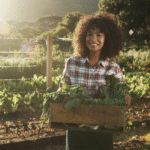
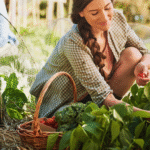


Many herbal remedies can be easily cultivated in a backyard with the right conditions and minimal effort. Plants like chamomile, mint, and lavender can grow well in most home gardens, providing fresh ingredients for natural health treatments. These herbs often require only basic soil preparation, adequate sunlight, and regular watering.
Growing herbs at home offers more control over their quality and reduces the reliance on store-bought products, which may be processed or less fresh. A backyard garden can become a convenient and sustainable source of plants used for teas, balms, and other remedies.
Essential Herbal Remedies You Can Grow in Your Backyard
Many commonly used herbal remedies can be cultivated in a home garden with minimal effort. These plants often serve dual purposes for health and cooking, providing fresh ingredients for both medicine and meals. Understanding their specific uses and requirements helps gardeners select the best herbs for their backyard.
Top Medicinal Plants for Home Use
Chamomile, aloe, and calendula are among the most accessible medicinal plants suitable for backyard cultivation. Chamomile is prized for its soothing properties, commonly used in teas to ease digestion and promote relaxation. Aloe leaves provide a natural gel, effective for treating minor burns and skin irritations. Calendula flowers support wound healing and reduce inflammation when applied as a salve.
Other useful medicinal herbs include lemon balm (Melissa officinalis), known for reducing stress and aiding sleep, and comfrey, which has a long history of use in healing bruises and sprains. Garlic (Allium sativum) is valued for its antimicrobial effects and cardiovascular benefits. These plants require well-drained soil and adequate sunlight to thrive outdoors.
Key Culinary Herbs with Healing Benefits
Many culinary herbs also offer health benefits beyond flavour enhancement. Basil, rosemary, and thyme are rich in antioxidants and have anti-inflammatory properties. Sage assists with digestion and cognitive function, while dill supports digestion and has mild antimicrobial effects.
Parsley and chives add vitamins and can aid in reducing bloating. Peppermint is effective for gastrointestinal relief and is commonly used in herbal teas. Oregano and marjoram contain compounds that may help the immune system. These herbs adapt well to pots or garden beds, requiring regular watering and exposure to sunlight.
Choosing the Right Herbs for Your Garden
When selecting herbs, gardeners should consider local climate, soil type, and intended use. For colder regions, hardy herbs like sage, thyme, and rosemary offer year-round growth potential. Warmer climates suit lemongrass, liquorice, and ginger, which require warmer temperatures and moist soil.
Gardeners should prioritise herbs that match their health needs and culinary preferences. Companion planting can improve growth; for example, basil grows well near tomatoes, while dill supports cabbage growth. Proper spacing and regular harvesting encourage healthy plants and a continual supply of herbal remedies.
Planning and Establishing Your Backyard Herb Garden
Choosing the right location, preparing soil effectively, and selecting appropriate growing methods are essential steps when starting an herb garden. These decisions influence the health, yield, and maintenance requirements of medicinal and culinary herbs alike.
Site Selection and Sunlight Requirements
A successful herb garden requires at least 6 hours of direct sunlight each day. Most perennial herbs, such as rosemary, thyme, and sage, thrive in full sun. If sunlight is limited, fewer varieties like mint or parsley will tolerate partial shade.
The site should have good air circulation to prevent fungal diseases. Avoid low-lying areas prone to waterlogging. Proximity to the kitchen or garden entrance is practical for easy harvesting.
Soil Preparation and Raised Beds
Herbs grow best in well-drained soil with a pH between 6.0 and 7.5. Before planting, test the soil and improve it by adding compost or organic matter. This increases fertility and moisture retention without causing waterlogging.
Raised beds offer excellent drainage and control over soil quality. They also warm up faster in spring, extending the growing season. Dimensions around 1.2 metres wide allow easy access for tending and harvesting.
Container Gardening for Herbs
Container gardening allows those with limited space to grow herbs effectively. Suitable containers should have drainage holes to prevent root rot. Use a high-quality, well-draining potting mix tailored for herbs.
Containers can be organised on patios or balconies, making herbs accessible year-round. Group plants with similar watering needs, such as basil with marjoram. Regular feeding with diluted fertiliser supports consistent growth.
Cultivating and Caring for Herbal Remedies
Growing herbs successfully requires attention to planting methods, regular care, pest control, and correct harvesting. Each step ensures the herbs remain healthy and productive in the garden.
Planting and Propagation Techniques
Herbs can be started from seeds, cuttings, or division, depending on the species. Annual herbs like basil are best grown from seed, while perennial herbs such as thyme or mint propagate well through division or stem cuttings.
When sowing seeds, it is important to use a well-draining soil mix and keep the soil moist but not waterlogged. For cuttings, remove lower leaves and place them in water or direct soil to encourage root growth. Dividing established clumps in early spring helps maintain vigour in perennial herbs.
Spacing is also critical; most herbs need 20-30cm between plants to ensure airflow and reduce disease risks. Raised beds or containers with good drainage improve success rates.
Watering, Feeding, and Maintenance
Herbs typically prefer moderate watering—keeping soil slightly moist without overwatering. Mediterranean herbs like rosemary and sage tolerate drier conditions once established, whereas herbs such as basil and mint require more moisture.
Regular feeding with a balanced, diluted fertiliser every 4-6 weeks during the growing season supports growth. Organic options like compost tea provide nutrients without chemical build-up.
Removing dead leaves and debris prevents fungal diseases. Mulching conserves moisture and suppresses weeds, but avoid piling mulch too close to stems, which can cause rot.
Companion Planting and Pest Management
Certain herbs benefit from companion planting to improve growth or deter pests. For example, planting marigolds near herbs can reduce aphid populations. Basil planted alongside tomatoes can improve flavour and deter whiteflies.
Common pests on herbs include aphids, spider mites and caterpillars. Regular inspection allows early detection. Natural pest control methods include spraying with neem oil or insecticidal soap.
Avoid chemical pesticides, which can harm beneficial insects like bees. Encouraging predators such as ladybirds supports a balanced ecosystem in the herb garden.
Harvesting and Pruning for Healthier Herbs
Harvest herbs regularly to promote bushier growth and prevent flowering, which can reduce leaf quality. Pinch or cut stems just above a leaf node to encourage branching.
For perennial herbs like oregano and thyme, harvesting before flowering gives the best flavour and potency. Remove flower heads promptly to direct energy back into leaf growth.
Herbs such as mint and chives respond well to hard pruning in early spring. Avoid cutting more than one-third of the plant at a time to prevent stress. Dried leaves and fresh cuttings can be stored for use throughout the year.
Making and Using Home Herbal Remedies
Effective home herbal remedies depend on proper harvesting, careful preparation, and safe use. Knowing how to store ingredients, create simple treatments, and understand their limitations helps ensure these remedies are practical and beneficial.
Harvesting and Storing Herbal Ingredients
Harvest herbs like chamomile and aloe in the morning after the dew evaporates for optimal potency. Leaves and flowers should be picked before full bloom when essential oils are strongest.
Dry herbs in a well-ventilated, dark space using a screen or rack to prevent mould. Store dried herbs in airtight containers away from light and heat. Fresh aloe leaves, however, are best kept refrigerated and used within a week for maximum effectiveness.
Label containers with the herb name and harvest date. Proper storage preserves active compounds essential for herbal medicine’s efficacy.
Simple Home Remedies and Preparations
Common home remedies include chamomile tea made by steeping 1-2 teaspoons of dried flowers in hot water for 5-10 minutes. It soothes digestion and mild anxiety.
Aloe gel can be extracted by slicing leaves and scooping out the inner gel for topical use on minor burns or skin irritations. It’s often applied directly without further processing.
Infusions, tinctures, and poultices are other simple preparations. Infusions involve steeping herbs in water, tinctures use alcohol for extraction, and poultices apply crushed fresh herbs directly. Each method suits different conditions and herbs.
Safety, Efficacy, and Responsible Use
Home herbal remedies should not replace professional medical treatment for serious conditions. Dosages must be moderate, as high concentrations could cause irritation or interactions with medications.
Not all herbs are safe for children, pregnant women, or pets. Always research or consult a healthcare provider before use. Chamomile, while generally safe, can cause allergic reactions in some individuals.
Testing a small skin area before applying aloe gel or other topical herbs helps prevent adverse reactions. Understanding limitations and responsible use ensures herbal medicine supports wellbeing without harm.