





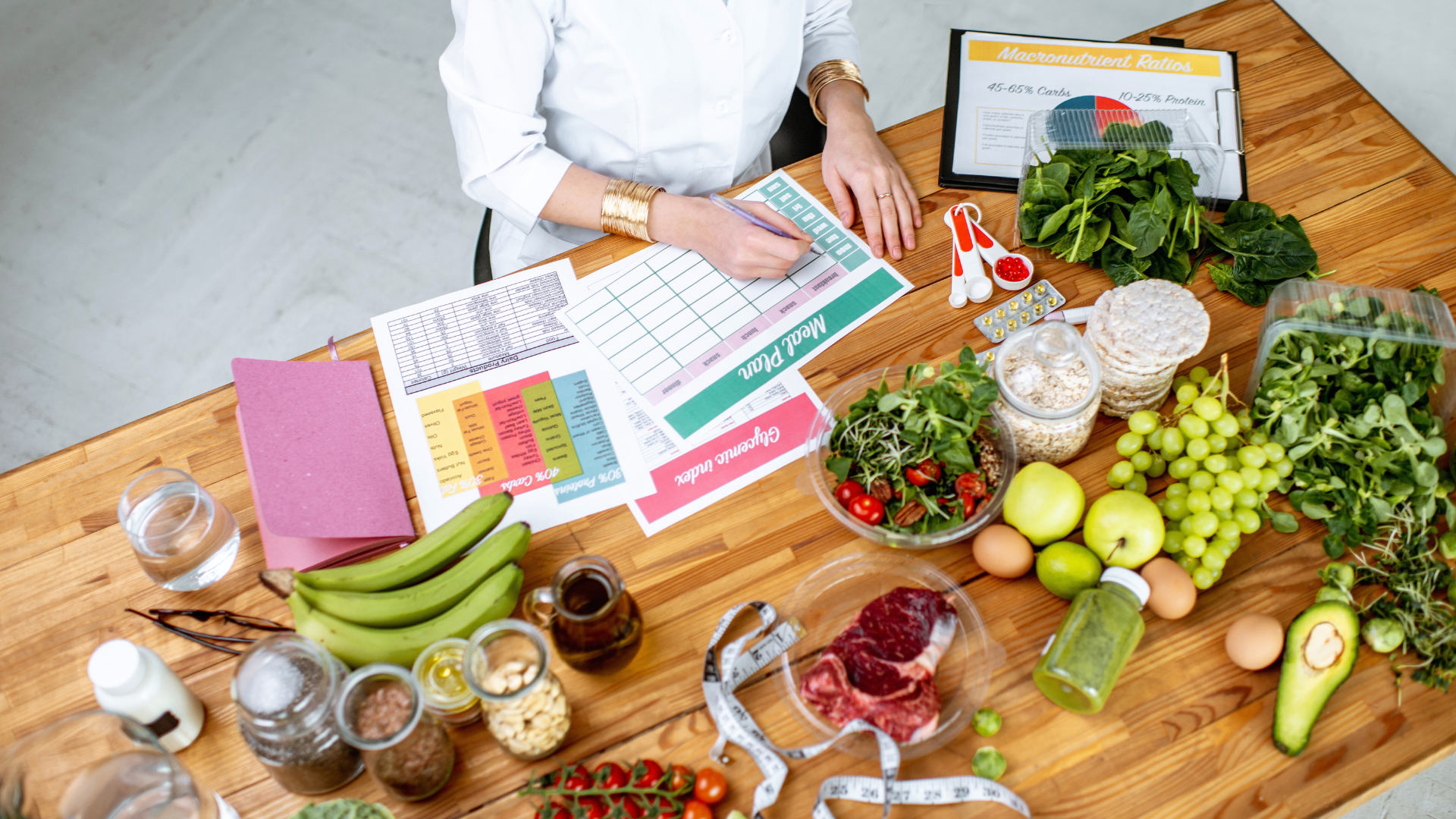

Meal planning directly reduces food waste by allowing individuals to buy only what they need for specific meals. When people plan their meals ahead, they avoid impulse purchases and limit the risk of ingredients spoiling before use. This simple strategy leads to better portion control and prevents unnecessary leftovers that often go uneaten.
By organising meals in advance, shoppers create clearer shopping lists and use ingredients efficiently throughout the week. This method ensures food is consumed in a timely manner, cutting down on waste caused by forgotten or expired products.
Meal planning also encourages mindful consumption and smarter storage habits. People become more aware of what they have, reducing the chance of duplicating items or letting food go to waste due to poor planning.
How Meal Planning Reduces Food Waste
Meal planning helps control food purchases, ensures better use of ingredients, and keeps track of what’s available at home. This approach directly limits the chances of food spoiling or going unused.
Minimising Excess Purchases
By creating a clear grocery list based on planned meals, unnecessary items are avoided. This means buying only what is needed, which reduces impulse purchases that often lead to food waste.
A well-organised shopping list aligns with the meal plan, focusing on portion sizes and specific ingredients. This reduces surplus food that might expire before use, saving money and preventing waste.
Using Leftovers Effectively
Meal planning encourages incorporating leftovers into future meals instead of discarding them. For example, cooked vegetables from dinner can serve as an ingredient for the next day’s lunch.
Designing meals with overlapping ingredients lets leftovers be reused creatively. This practice cuts down on throwing away edible food and makes the most of each cooking session.
Batch Cooking and Meal Prep
Batch cooking prepares multiple meals in one go, ensuring surplus perishable ingredients are used promptly. This method helps store ready meals that are less likely to spoil compared to individual ingredients.
Meal prep also streamlines portion control, reducing the chance of cooking more than required. It saves time and avoids extra food ending up in the bin.
Incorporating Expiration Dates and Inventory Checks
Regularly checking expiration dates during meal planning helps prioritise the use of ingredients that spoil soon. This prevents products from passing their best-before date unnoticed.
Keeping an inventory list alongside the meal planner gives a clear overview of available food. It reduces duplicate purchases and encourages meals based on existing supplies, effectively managing food waste.
Practical Meal Planning Techniques for Waste Reduction
Effective meal planning involves precise preparation, selecting fresh ingredients, proper storage, and using leftovers creatively. These steps help control quantity, maintain food quality, and reduce unwanted discards from meals or groceries.
Preparing a Detailed Shopping List
Creating a detailed shopping list tailored to planned meals ensures buying only what is necessary. Accurate lists prevent impulse buys and excess purchases that often lead to waste.
A good shopping list includes exact quantities and specific items, matching meals for the week. Reviewing pantry stock before writing the list avoids duplicates. Digital apps or paper lists both work, but consistency is key.
Cross-referencing recipes with the list reduces forgotten items and limits buying processed foods unless required. This makes shopping more efficient and waste less likely.
Prioritising Seasonal and Unprocessed Foods
Focusing on seasonal produce ensures fresher ingredients with longer shelf life. Seasonal fruits and vegetables are often cheaper and more nutrient-rich.
Unprocessed foods have less packaging, which helps reduce waste, and allow for flexible portion sizes. Buying whole ingredients instead of ready-made meals provides control over leftovers.
Planning meals around local seasonal offerings supports sustainability. It also reduces the chance of perishables spoiling quickly, cutting down on food thrown away.
Storing Food Properly
Proper food storage extends shelf life and keeps items fresh longer. Using airtight containers and appropriate refrigeration settings matters.
Labelled containers with dates help track freshness and prevent items from being forgotten. Grouping similar items together improves visibility and access.
Freezing excess portions or leftovers is effective. For example, fruits close to spoiling can be frozen for smoothies or cooking, reducing waste significantly.
Creative Use of Ingredients
Transforming leftovers or parts of vegetables into new meals prevents food from being discarded. For example, vegetable scraps can make stock, and wilting greens can be added to soups.
Planning flexible meals that allow ingredient interchange helps use what’s available. Recipes like casseroles, stir-fries, or batch cooking enable better food utilisation.
Keeping a list of common leftover-friendly recipes encourages regular reuse and reduces waste by turning potential scraps into nutritious meals.
Storage Solutions and Handling Leftovers
Effective food storage and management of leftovers are essential steps in reducing food waste. Using appropriate containers, preserving surplus food properly, organising kitchen spaces, and composting all contribute to extending the usability of food and minimising disposal.
Reusable and Airtight Containers
Reusable containers made from durable materials such as glass or BPA-free plastic help keep food fresh and reduce reliance on single-use plastics. Airtight containers prevent exposure to air, slowing spoilage and odours.
It is best to select containers with tight-fitting lids that seal completely to maintain moisture levels and prevent contamination. Clear containers make it easy to identify contents quickly, which encourages using leftovers before they expire. Labelling containers with dates helps track how long food has been stored.
Freezing and Preserving Surplus Food
Freezing is a practical way to extend the shelf life of many perishable items, including cooked meals, fruits, and vegetables. Before freezing, food should be cooled and stored in airtight, freezer-safe containers or heavy-duty bags to avoid freezer burn.
Portioning meals into individual servings facilitates defrosting only what is needed, reducing further waste. Vacuum sealing can enhance preservation, but it is not essential for most household needs. Some foods, like dairy or certain vegetables, need blanching or special handling before freezing to maintain quality.
Organising Fridge and Pantry
Keeping the fridge and pantry organised ensures visibility and easy access to food items, which decreases the chance of forgetting or overbuying food. Group similar products together and place newer groceries behind older ones.
Use clear bins or labelled shelves to categorise items by type or expiry date. Regularly checking for expired or spoiled food keeps storage areas clean and safe. Temperature control in the fridge, ideally between 1°C and 4°C, is crucial to slow bacterial growth.
Composting Food Scraps
Composting food scraps diverts organic waste from landfills and returns nutrients to the soil. Suitable scraps include vegetable peels, coffee grounds, eggshells, and other non-meat kitchen waste.
A dedicated compost bin or pile in the garden accelerates decomposition. A proper balance of green (nitrogen-rich) and brown (carbon-rich) materials supports healthy composting. Finished compost enriches soil health and plant growth, reducing the need for chemical fertilisers.
Environmental and Economic Benefits
Meal planning directly lowers the amount of food wasted, leading to both environmental and financial advantages. It helps households use resources more efficiently and cuts unnecessary spending.
Reducing Greenhouse Gas Emissions
By planning meals, people buy only what they need, which reduces food that spoils and ends up in landfill. When food decomposes anaerobically in a landfill, it releases methane, a potent greenhouse gas.
Food production itself is energy-intensive, involving water, fertilisers, and transportation. Wasting less food means fewer resources are used unnecessarily, thereby cutting overall greenhouse gas emissions linked to food supply chains.
Zero-waste meal planning encourages buying fresh produce in appropriate amounts, reducing overproduction. This directly limits the environmental impact associated with food waste disposal and lowers carbon footprints at the household level.
Promoting Sustainability at Home
Meal planning fosters sustainable habits by encouraging the use of whole ingredients and leftovers. This reduces reliance on processed or pre-packaged foods, which often generate excess packaging waste.
Planning ahead supports seasonal and local food choices, which generally require less energy to transport and store. Using a shopping list aligned with meal plans keeps purchasing focused and minimal, promoting a more sustainable lifestyle.
Incorporating batch cooking and freezing helps avoid repeated food preparation and waste. These strategies together help households integrate sustainability into everyday routines.
Saving Money by Minimising Waste
Wasting less food means spending less on groceries. Meal planning allows people to budget precisely, avoiding impulse buys or overstocking items that expire before use.
By clearly knowing what is needed, shoppers reduce the frequency of last-minute purchases or takeaways, which often cost more. Using ingredients fully also means less money spent on replacing spoiled goods.
The combination of careful meal planning and portion control can save an average household significant amounts annually. This financial benefit reinforces the habit of minimising waste consistently.