

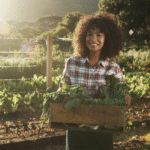


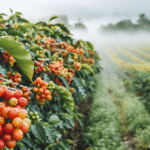



Eating seasonally benefits both the body and the planet by ensuring fresher, more nutrient-rich foods while reducing environmental impact. Foods grown in their natural seasons often contain higher levels of vitamins and minerals, supporting better health.
Seasonal eating also minimises food miles, lowers greenhouse gas emissions, and reduces reliance on resource-intensive farming methods. This approach encourages local agriculture and helps ecosystems stay balanced.
People who choose seasonal produce contribute to a sustainable food system that is better for the environment and their well-being. Understanding these connections can motivate more mindful choices around what and when to eat.
What Is Seasonal Eating and Why Does It Matter?
Seasonal eating involves choosing foods that are naturally harvested during specific times of the year. It influences diet quality, environmental impact, and supports sustainable agricultural practices.
Understanding Seasonal Eating
Seasonal eating means consuming fruits, vegetables, and other produce at the time they naturally grow and ripen in a given region. This approach ensures foods are fresher, more nutrient-dense, and often better flavoured.
Eating seasonally reduces reliance on artificial growing methods such as heated greenhouses or imported goods that require significant transportation. This leads to lower carbon footprints and enhances food security by supporting local farming cycles tied to climate patterns.
It encourages a varied diet throughout the year, as different produce becomes available with changing seasons, promoting nutritional balance and expanding culinary options.
Difference Between Local and Seasonal Produce
Local produce refers to food grown within a close geographical area, commonly within a 100-mile radius. Seasonal produce is food harvested during its natural growing period, regardless of location.
While many seasonal foods are local, not all local produce is seasonal. For example, some farmers use greenhouses to grow crops year-round, which may be local but not seasonal.
Eating both local and seasonal produce maximises environmental benefits by reducing food miles and energy consumption. It also supports the local economy and encourages farming practices aligned with natural cycles rather than artificial extension.
Brief History of Eating With the Seasons
Historically, humans ate mostly seasonal foods because preservation and transportation technology were limited. Diets closely followed agricultural cycles, with people consuming what was available in their immediate environment.
Before modern global markets, seasonal eating was necessary to match food supply with environmental conditions. This shaped traditional cuisines around the regional and seasonal availability of ingredients.
The industrialisation of food systems introduced imports, refrigeration, and storage, enabling year-round availability of many products. Today, there is renewed interest in eating with the seasons as a response to climate change and health concerns, aiming to reconnect with natural food rhythms.
How Seasonal Eating Benefits Your Health
Eating seasonally ensures access to fresher produce with higher nutrient levels. It supports a diverse diet that can help prevent chronic diseases. Seasonal foods also contribute essential vitamins and minerals that strengthen the immune system and promote heart health.
Nutritional Value and Freshness
Seasonal fruits and vegetables such as summer berries, kale, and winter squashes are harvested at peak ripeness, preserving their nutrient content. These foods typically contain more vitamins and minerals like vitamin C, folate, and antioxidants compared to out-of-season produce.
Fresh leafy greens and root vegetables such as carrots and parsnips retain their fibre and nutrient levels when eaten soon after harvest. This freshness ensures better absorption of nutrients, which supports metabolic functions and overall well-being.
Dietary Variety and Disease Prevention
Seasonal eating encourages a rotation of foods throughout the year, increasing dietary variety. This variety introduces different antioxidants and phytochemicals, which can reduce the risk of conditions like heart disease and certain cancers.
Including lettuce, herbs, spring onions, and Brussels sprouts at appropriate times boosts nutrient diversity. This variety lowers the reliance on processed foods and improves intake of natural sources rich in lycopene, fibre, and other protective compounds.
Impact on Immune System and Heart Health
Nutrients in seasonal produce directly boost the immune system. For example, vitamin C from tomatoes and summer berries supports white blood cell function, aiding infection resistance. Seasonal leafy greens provide folate and minerals that regulate blood pressure and heart rhythms.
Regularly consuming root vegetables and herbs found in seasonal meals helps reduce inflammation and maintain healthy cholesterol levels. This combination promotes cardiovascular health and strengthens the body’s defence mechanisms.
Reduced Exposure to Harmful Chemicals
Seasonal produce is less likely to require long-distance transportation and extensive chemical preservation. This minimises exposure to pesticides and chemical residues commonly used in off-season farming.
Choosing naturally ripened apples, pears, and spring greens reduces ingestion of synthetic additives. It supports better gut health and lowers the risks associated with chronic chemical exposure, contributing to safer, cleaner dietary habits.
Environmental and Social Impact of Seasonal Eating
Eating seasonally influences both environmental and social aspects by reducing emissions, supporting local economies, and promoting sustainable farming practices. These actions contribute to healthier ecosystems and stronger community connections.
Reducing Carbon Footprint and Greenhouse Gas Emissions
Seasonal eating reduces the food system’s overall carbon footprint by minimising the need for long-distance transport and energy-intensive storage. Foods grown and consumed in their natural season require less artificial heating, lighting, and preservation, directly lowering greenhouse gas emissions.
Transporting out-of-season produce often involves air freight or refrigeration, which increases emissions significantly. Seasonal local produce avoids this by relying on nearby local farms that use less fuel. This shift supports a lower carbon footprint in daily food choices.
By choosing seasonal crops, consumers indirectly encourage sustainable farming methods that do not depend heavily on fossil fuels. This approach reduces the environmental impact of food production while maintaining a more climate-friendly diet.
Supporting Local Farmers and Economies
Seasonal eating channels revenue directly to local farmers and boosts local economies through community-supported agriculture (CSA) and farmers’ markets. These systems shorten the supply chain and increase profits for local growers compared to large-scale industrial agriculture.
Local food systems help farmers plan for crop rotation and sustainable farming methods by matching production with natural growing cycles. This support enhances farm resilience and encourages investment in local agriculture infrastructure.
Consumers benefit from fresher produce, and communities see increased employment and economic stability. Supporting local agriculture keeps money circulating within the region and strengthens rural livelihoods over time.
Preserving Soil Health and Biodiversity
Seasonal farming enables crop rotation, which improves soil structure, nutrient balance, and reduces pest outbreaks. By alternating crops throughout the year, farmers maintain soil fertility without excessive chemical inputs.
Local farms practising sustainable farming also protect biodiversity. They cultivate diverse plant varieties suited to the region and season. This diversity supports pollinators, controls pests naturally, and promotes resilient ecosystems.
Preserving biodiversity and healthy soil contributes to a sustainable food system. Seasonal eating encourages these practices by connecting consumers with local producers who prioritise ecological balance in their agricultural methods.
Practical Tips for Embracing Seasonal Eating
Eating seasonally requires adjusting shopping habits, meal planning, and managing food storage to reduce waste. It involves choosing fresh, locally grown produce and making the most of it through preservation techniques.
Shopping Locally and Seasonally
Choosing local markets and farms cuts down food miles and reduces plastic packaging often found in supermarkets. Buyers should look for signs of local origin and ask vendors about the harvest period.
Seasonal produce is fresher and less reliant on long food transportation. For example, selecting British-grown apples in autumn instead of imported varieties lowers carbon impact and supports the local food supply chain.
Using a shopping list based on seasonal availability helps avoid out-of-season produce, which usually involves greater food miles and energy-intensive growing methods like heated greenhouses.
Planning and Preparing Seasonal Meals
Planning meals around available seasonal ingredients optimises nutrient intake and supports sustainability. It encourages trying new recipes featuring root vegetables in winter or berries in summer.
Batch cooking and freezing seasonal meals can extend the life of fresh produce and reduce last-minute reliance on processed foods. Sticking to simple recipes emphasises the natural flavours of seasonal ingredients.
It’s useful to consult seasonal food calendars to align groceries with peak harvest times. This keeps the diet varied and limits dependency on imported fruits and vegetables.
Reducing Food Waste and Preserving Produce
Preserving techniques like canning, fermenting, and freezing help extend the lifespan of seasonal foods and reduce food waste. For example, fermenting surplus cabbage into sauerkraut adds diversity and retains nutrients.
Proper storage methods, such as using breathable bags for root vegetables, prevent spoilage. Planning portion sizes according to household needs also limits unnecessary waste.
Utilising every part of the produce, such as vegetable scraps for broth, minimises disposal. Reducing food waste supports sustainable farming practices and decreases plastic and packaging waste associated with repeated shopping trips.