




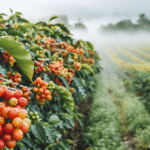
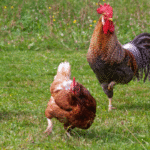


Biodiversity begins in the garden because it creates a vital habitat for a variety of plants, insects, and small animals. Gardens provide food, shelter, and breeding grounds that support local ecosystems, which help maintain ecological balance.
By cultivating diverse plants and avoiding chemicals, gardens become small but powerful refuges for pollinators and beneficial species, boosting overall biodiversity. This small-scale environment can contribute positively to the surrounding nature and promote healthier urban and rural spaces.
People often overlook how much impact their garden can have on the environment. Encouraging biodiversity in a garden not only supports wildlife but also contributes to the resilience and sustainability of ecosystems beyond its boundaries.
Why Biodiversity Begins in the Garden
Gardens act as vital spaces that support various forms of life. They provide habitats, food, and shelter, helping to sustain local ecosystems and wildlife populations.
The Role of Gardens as Ecosystems
Gardens function as small, yet complex ecosystems where plants, animals, fungi, and microorganisms interact. They can counteract habitat loss by offering spaces for species to thrive in urban and suburban areas.
By hosting multiple layers of plant life—from ground cover to trees—gardens create diverse microhabitats. This diversity supports a range of organisms, enhancing local biodiversity. Proper garden management, like avoiding pesticides, helps maintain these natural processes.
Native Plants and Their Importance
Native plants are adapted to the local climate and soil, making them essential for supporting indigenous wildlife. They provide the right kind of food and shelter that many local insects and animals depend on.
Unlike exotic species, native plants maintain ecological balance and help preserve the genetic diversity of the region. Choosing native plants helps gardeners support pollinators and prevent the spread of invasive species that can disrupt ecosystems.
Connection Between Gardens and Wildlife
Gardens offer refuge for birds, mammals, amphibians, and insects, especially in areas where natural habitats have been reduced. Features such as hedgerows, ponds, and leaf litter create diverse environments for different species.
Wildlife corridors in gardens help animals move safely between habitats, preventing isolation and genetic bottlenecks. Simple actions like providing water sources and nesting sites improve a garden’s value as a wildlife habitat.
Supporting Insect Populations
Insects, including pollinators like bees and butterflies, are essential for plant reproduction and food production. Gardens that promote insect health contribute to broader ecosystem stability.
Growing a variety of flowering plants throughout the seasons ensures a continuous nectar and pollen supply. Avoiding chemical pesticides prevents harm to beneficial insects, supporting conservation efforts for declining pollinator populations.
The Impact of Gardening Choices on Biodiversity
Gardening decisions directly affect local ecosystems by shaping available habitats and food sources. The choice between native and non-native plants, the role of gardens as wildlife sanctuaries, and the structural complexity of garden spaces all influence biodiversity levels.
Influence of Native Versus Non-Native Plants
Native plants evolved alongside local wildlife and provide suitable food and shelter for insects, birds, and other animals. They support specific pollinators and herbivores, creating a balanced ecosystem within the garden environment.
Non-native plants often fail to supply the same resources and can disrupt existing relationships. Some may outcompete native species, reducing overall biodiversity. In contrast, diverse native plantings promote natural food webs and sustain more species over time.
Choosing native species enhances conservation efforts by maintaining local genetic diversity and supporting endangered or specialised species reliant on native flora.
Gardens as Refuges Against Habitat Loss
Urban expansion and agriculture have led to significant habitat loss worldwide. Gardens act as small refuges where plants and animals can survive and reproduce despite fragmented natural habitats.
Well-managed gardens provide food, breeding sites, and shelter in areas where natural ecosystems have been reduced. This is especially important for pollinators and small mammals, which often struggle to find habitat in built-up areas.
Gardens near natural reserves can serve as ecological corridors, connecting habitats and facilitating wildlife movement. This connectivity aids in species conservation by reducing isolation and genetic bottlenecks.
Enhancing Garden Structure for Diverse Habitats
Structural diversity in gardens increases habitat options for multiple species simultaneously. Layers of vegetation—such as ground cover, shrubs, and trees—offer varied microhabitats.
Including features like logs, ponds, and rock piles creates niche environments that support amphibians, invertebrates, and small mammals. This complexity increases the likelihood of attracting and sustaining a wide array of species.
Maintaining native hedgerows and avoiding intensive lawn areas encourages natural behaviours in wildlife. Gardeners can boost biodiversity simply by mimicking natural ecosystem structures within domestic spaces.
Ecological Interactions in the Garden
Gardens create dynamic environments where multiple species interact, shaping a balanced ecosystem. These interactions involve complex relationships between various creatures that support plant health and biodiversity.
Food Webs: Insects, Birds, and Spiders
Gardens host diverse food webs starting with insects like aphids, caterpillars, and beetles, which feed on plants. Spiders inhabit these spaces, preying on many insects, reducing their populations naturally. Birds often feed on both insects and spiders, linking the garden’s lower and higher trophic levels.
This interconnected network ensures energy flows through the ecosystem efficiently. For example, a gardener may notice ladybirds eating aphids, which helps protect plants from overfeeding insects. Therefore, maintaining varied habitats like hedges or flower beds supports this intricate food web, benefiting overall garden health.
Promoting Pollinators
Pollinators such as bees, butterflies, and hoverflies are essential for garden plant reproduction. They transfer pollen while feeding on nectar, which results in the fertilisation of flowers and the production of seeds and fruit.
To encourage pollinators, gardens can offer a continuous bloom of native and diverse flowering plants. Avoiding pesticides preserves these species, as many are sensitive to chemicals. Providing features like bee hotels or bare soil patches also supports solitary and ground-nesting pollinators.
Role of Predators and Pest Control
Predatory insects and spiders act as natural pest controllers, managing populations of harmful insects that damage plants. Predators such as lacewings, ladybirds, and ground beetles consume aphids, caterpillars, and other pests.
This biological control reduces reliance on chemical pesticides and supports garden sustainability. Encouraging predator habitats by leaving leaf litter or planting diverse vegetation enhances their presence. In this way, predators maintain balance and help keep pest outbreaks in check.
Championing Biodiversity: Inspired Practices and Thought Leaders
Understanding how individual actions contribute to ecological balance highlights key strategies rooted in scientific research and expert advocacy. These methods focus on practical gardening choices that support native species, ultimately strengthening local ecosystems.
Douglas Tallamy and “Bringing Nature Home”
Douglas Tallamy, an entomologist and professor at the University of Delaware, authored Bringing Nature Home, a pivotal work emphasising native plants’ role in supporting biodiversity. He argues non-native species often fail to provide the necessary resources for local insects, which are crucial to food webs.
Tallamy’s research shows that planting native trees, shrubs, and flowers favours insect populations like caterpillars, which in turn feed birds and other wildlife. His advocacy is rooted in conservation ecology, urging gardeners to prioritise indigenous flora to restore habitat connectivity and support pollinators.
Research from the University of Delaware
The University of Delaware has conducted extensive studies on the ecological benefits of native planting. Their findings indicate that native plants attract a higher diversity and abundance of insects, which are essential for ecosystem services such as pollination and pest control.
One key insight from their research is the correlation between plant origin and the survival rate of dependent fauna. Gardens dominated by native species sustain more complex food webs and contribute to regional conservation efforts by maintaining genetic diversity.
Practical Steps for Biodiversity-Friendly Gardening
To champion biodiversity in gardens, a few targeted actions prove effective:
- Choose local native plants over exotic alternatives to support endemic insects.
- Create habitat layers with ground covers, shrubs, and trees for varied wildlife needs.
- Avoid pesticides and herbicides that harm beneficial insects and soil life.
Gardening with biodiversity in mind means fostering ecological interactions at every level, from soil microbes to pollinators to birds. These practices align with conservation goals and promote resilient, healthy environments.