


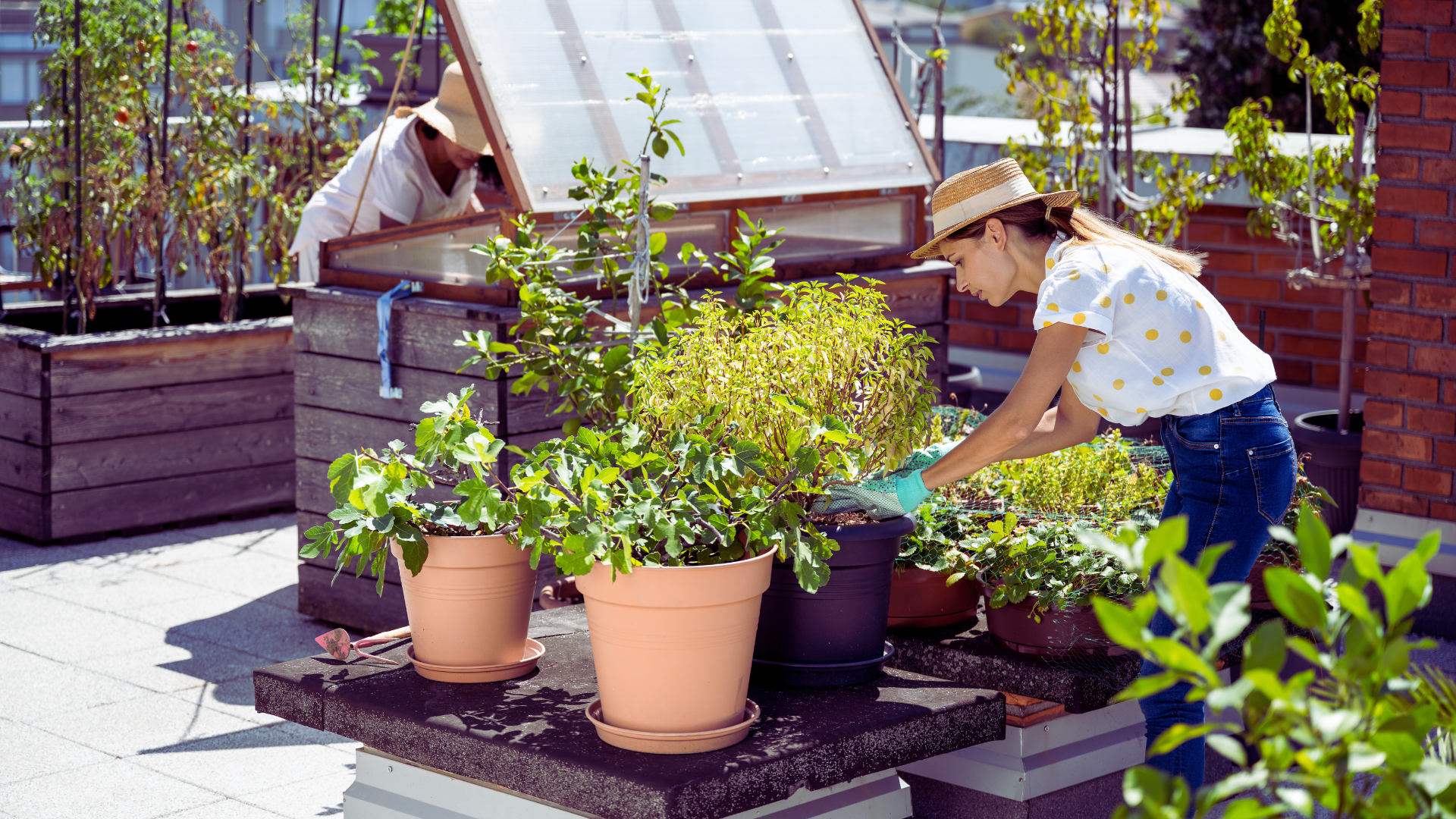

Urban farming has emerged as a practical solution for those living in limited spaces within cities. It offers a hands-on approach to promoting sustainability and enhancing food security, making it possible for individuals to grow fresh produce right at home. As urbanisation continues to expand, more people are exploring how to cultivate gardens on balconies, rooftops, and even in small indoor areas.
Small-space gardening not only maximises minimal resources but also contributes to the well-being of communities by providing access to healthy food options. With the right techniques and tools, anyone can create a productive growing environment that enhances urban life. Embracing these methods helps individuals reconnect with their food sources and fosters a sense of community among urban dwellers.
By turning to urban farming, residents can make a meaningful impact on their lives and the environment. This practice shows that even in the heart of a bustling city, it’s possible to cultivate green spaces that support both personal health and environmental resilience.
Fundamentals of Urban Farming in Limited Spaces
Urban farming in limited spaces involves specific techniques that maximise productivity while accommodating restricted areas. Key strategies include vertical gardening and container gardening, both of which play vital roles in optimising the use of available space.
Understanding Urban Agriculture
Urban agriculture refers to the practice of cultivating, processing, and distributing food within urban areas. It encompasses a variety of techniques suited for small areas, such as community gardens, rooftop farms, and balcony gardens.
Residents can utilise limited spaces creatively through vertical gardening, which requires minimal ground area while allowing for an increased crop yield. Container gardening also supports urban farming, enabling individuals to grow plants in pots or other vessels. This adaptability makes it easier to implement gardening in diverse urban environments.
Importance of Space Optimisation
Space optimisation is crucial in urban farming. With limited square footage, it is essential to maximise every inch. Vertical structures can support climbing plants, while tiered planting systems utilise height effectively. In some cases, clearing out large or obstructive elements in your outdoor space is necessary to make room for your urban farming setup. For example, tree removal can free up valuable ground space and improve sunlight exposure, which is vital for cultivating healthy plants.
Container sizes and arrangements should be chosen carefully to prevent overcrowding and allow for adequate sunlight. The following tips can assist in space optimisation:
- Select compact plants to cultivate more varieties in a small area.
- Use vertical planters to create a green wall, saving ground space.
- Implement hydroponics or aquaponics, which require less space than traditional soil gardening.
By focusing on these strategies, individuals can successfully engage in urban farming, ensuring productive use of limited spaces.
Key Techniques for Urban Farming
Urban farming employs several key techniques that make it feasible within limited spaces. Understanding these methods enables individuals to maximise their yield while managing constraints commonly found in urban environments.
Container Gardening Essentials
Container gardening is ideal for urban farms, allowing diverse plants to flourish in limited spaces. Using pots, window boxes, or hanging planters, one can grow herbs, vegetables, and flowers.
Beyond traditional pots, innovative solutions like specialized grow bags offer an even more streamlined approach for urban cultivators. These self-contained systems often come pre-sterilized with an optimal substrate blend, eliminating much of the preparation work. Their design frequently includes built-in features such as filter patches for gas exchange and clear viewing windows to monitor progress. For those seeking to simplify the cultivation process with mushrooms and ensure consistent results, finding a reliable grow bag vendor can be a game-changer, making advanced gardening techniques accessible to everyone.
Key tips for successful container gardening include:
- Choosing the Right Containers: Ensure containers have adequate drainage and are the right size for the plants.
- Selecting Suitable Soil: Use a high-quality potting mix, which retains moisture yet drains well.
- Watering Wisely: Regular watering is crucial, as containers dry out more quickly than garden beds.
Containers can be arranged on patios, balconies, or even indoors, making them versatile and accessible for urban farmers.
Principles of Vertical Gardening
Vertical gardening techniques optimise space by growing plants upwards instead of outwards. This method is excellent for areas with limited ground space.
Important principles include:
- Using Supports for Climbing Plants: Installing trellises or grids allows vines and other climbing plants to thrive.
- Layering Plant Heights: Combine tall and short plants to maximise space and light exposure.
- Choosing the Right Plants: Select suitable species, such as peas, tomatoes, and cucumbers, which adapt well to vertical growth.
Vertical gardens can be integrated into walls, fences, or dedicated vertical planters, creating visually appealing green spaces.
Hydroponics and Aquaponics Systems
Hydroponics and aquaponics are innovative methods for growing plants without soil, using water-rich nutrient solutions or combining fish farming with plant cultivation.
Key considerations for these systems:
- Hydroponics: Offers quick growth rates and requires less space. It involves systems like nutrient film techniques or deep water culture.
- Aquaponics: Integrates fish and plants, wherein fish waste provides nutrients for plants, and plants help filter water for fish.
Both systems require careful monitoring of nutrient levels and pH to ensure healthy growth. These methods are suitable for urban farms focusing on sustainability and efficiency.
Cultivation and Crop Selection
Selecting the right crops and understanding cultivation methods are crucial for successful urban farming in small spaces. Focusing on appropriate plants and techniques allows for maximising productivity and ensuring a satisfying yield.
Growing Leafy Greens and Herbs
Leafy greens such as spinach, kale, and lettuce thrive in small spaces and can be grown in containers or vertical gardens. They require minimal light—around four to six hours daily—and can benefit from shade during hotter months.
Herbs like basil, parsley, and mint not only enhance culinary dishes but also grow well in limited areas. They prefer well-draining soil and benefit from regular pruning, which encourages denser growth. Urban gardeners can consider the following:
- Container Size: A minimum of 20cm depth is advisable.
- Soil Mix: Use a good-quality potting mix, enriched with organic matter.
- Watering: Keep the soil consistently moist but not soggy.
Cultivating High-Yield Crops
When space is limited, choosing high-yield crops becomes essential. Tomatoes, for instance, can be grown in pots or hanging baskets. They require poles or cages for support and can produce abundantly when cared for properly.
Peppers are also well-suited for confined spaces. They flourish in bright sunlight and can be grown in various sizes of containers. Consider planting varieties like cherry tomatoes or bell peppers, which yield more fruit per plant. Key points for success include:
- Fertilisation: Use a balanced fertiliser to promote growth.
- Watering Needs: Ensure consistent watering, especially during fruiting.
- Spacing: Allow adequate space between plants for air circulation.
Incorporating Edible Flowers and Microgreens
Edible flowers, such as nasturtiums and pansies, can enhance dishes and add colour to urban gardens. These flowers thrive in pots and can attract beneficial insects, contributing to a healthier garden ecosystem.
Microgreens are another excellent addition. They have a short growth cycle, making them particularly appealing for small spaces. Varieties like sunflower, radish, and beet greens can be harvested within two weeks. Tips for growing microgreens include:
- Containers: Use shallow trays for easy management.
- Lighting: Ensure they receive ample light, ideally from grow lights if indoors.
- Sowing Density: Sow seeds densely for a lush harvest.
Focusing on these specific crops and techniques helps urban gardeners utilise their limited space effectively, ensuring a diverse and productive garden.
Managing Urban Garden Health and Sustainability
Maintaining the health and sustainability of an urban garden involves careful attention to soil quality, pest control methods, and community involvement. Each aspect plays a crucial role in ensuring that urban farming thrives in limited spaces.
Soil Health and Quality
Soil health is foundational for a successful urban garden. It is essential to assess the soil’s physical, chemical, and biological properties. Composting is a key practice; it enriches the soil with organic matter and nutrients.
Using organic fertilisers such as well-aged manure or commercial organic mixes can significantly improve soil fertility. Regular testing of soil pH helps in making necessary adjustments tailored to specific plants.
Incorporating cover crops during off-seasons can enhance soil structure and prevent erosion. Additionally, ensuring proper drainage is crucial to avoid waterlogging, which can harm plant roots and lead to disease. However, proper drainage can be challenging to achieve on uneven or heavy soil, so professional drainage services chester county can be considered to get targeted solutions that keep fields well-aerated and reduce the risk of crop damage.
Sustainable Pest Management
Sustainable pest management strategies are vital for protecting urban gardens. Integrating natural predators, such as ladybirds and lacewings, can help maintain pest populations at manageable levels.
Companion planting serves as a valuable method, where certain plants repel pests or attract beneficial insects. For instance, marigolds can deter nematodes and aphids.
In cases of infestations, using organic insecticides like neem oil or diatomaceous earth provides an eco-friendly alternative to synthetic chemicals. Regular monitoring of plants allows for early detection of pest problems, reducing the need for more drastic measures.
Bird pests can be an issue, too. Pigeons, starlings, and seagulls often target fruit-bearing plants, sometimes damaging them in the process. Their droppings can also be a problem, as they contain high nitrogen levels that may burn roots and harm young seedlings.
To prevent these problems, bird-proofing the garden space, whether it’s a balcony or a rooftop terrace, can make a big difference. Visit website similar to this that specializes in bird-proofing solutions to learn more and find the right professionals to help.
Community Engagement in Urban Farming
Community involvement fosters a sense of ownership and responsibility for urban gardens. Establishing community gardens encourages neighbourhood collaboration while promoting local biodiversity.
Workshops and educational events empower participants with knowledge about sustainable practices and gardening techniques. This not only enhances gardening skills but also builds social connections among local residents.
Creating a shared space for gardening can lead to greater resource sharing, such as tools and compost. Encouraging volunteers for garden maintenance and harvesting cultivates a communal spirit that supports the garden’s sustainability for years to come.