






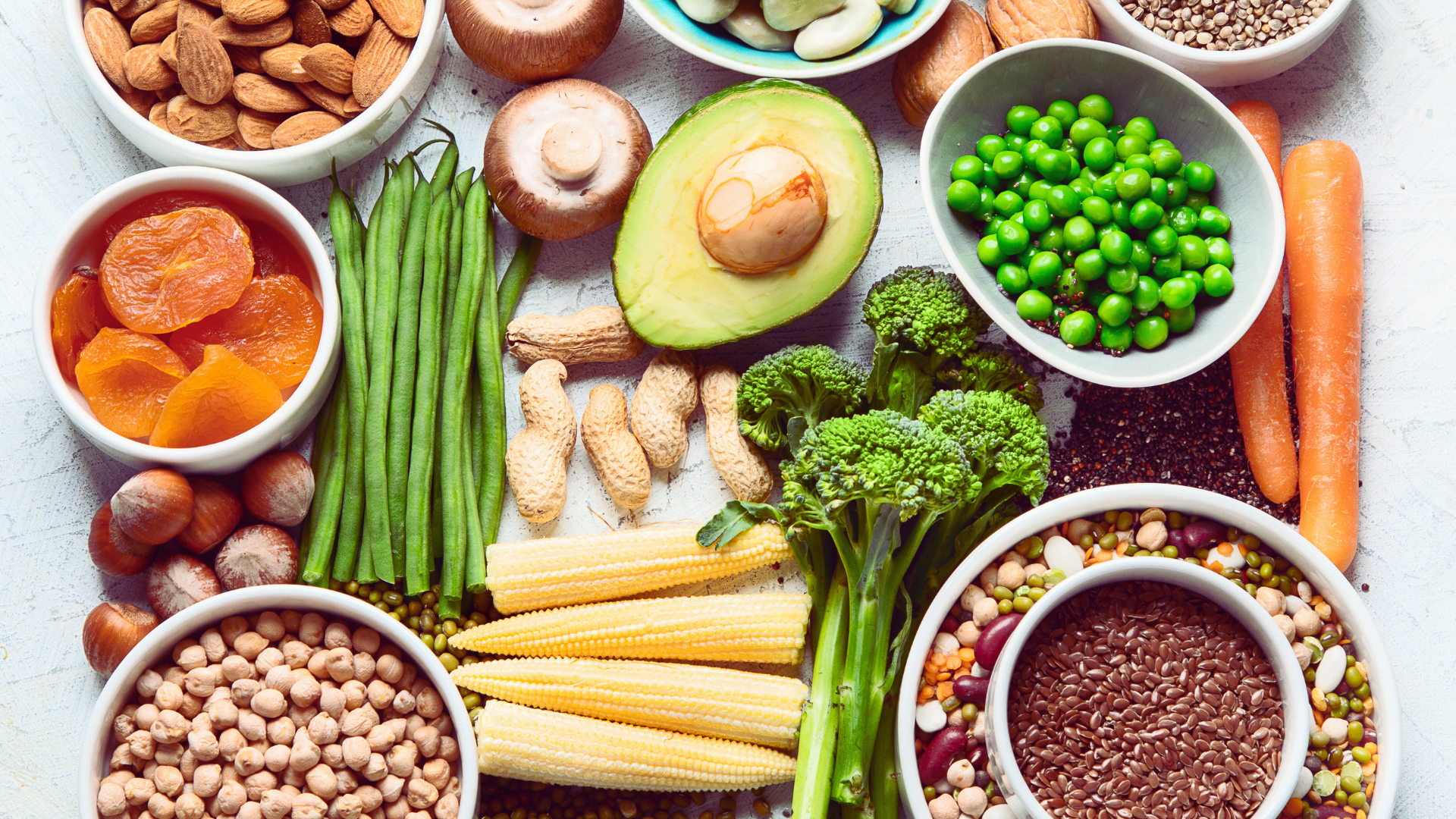

A plant-based diet can be an excellent choice for those seeking to improve their health and well-being. Transitioning to a plant-based lifestyle offers numerous health benefits, such as reduced risk of chronic diseases like heart disease, diabetes, and certain cancers. This approach to eating not only promotes weight loss and heart health but also supports environmental sustainability and animal welfare.
For beginners, incorporating more plant-based foods into their meals can seem daunting. Many people start their journey as flexitarians, gradually swapping animal products for vegetarian and vegan options. Simple strategies like meal planning, exploring new recipes, and learning about nutrition can make the transition enjoyable and rewarding.
Embracing plant-based eating is more than just a diet; it is a commitment to healthier living. By understanding the benefits and making thoughtful choices, individuals can significantly impact their health and the planet.
Understanding Plant-Based Nutrition
A plant-based diet focuses on consuming whole foods from plants while limiting or eliminating animal products. It is important for beginners to understand essential nutrients, proteins, healthy fats, and carbohydrates to ensure a balanced and nutritious approach.
Essential Nutrients and Vitamins
Key nutrients in a plant-based diet include vitamins, minerals, and essential fatty acids. Vitamin B12 is critical for nerve health and is primarily found in animal products, so supplementation is often recommended. Additionally, vitamin D, which supports bone health, can be sourced from fortified foods or sunlight exposure.
Calcium is vital for strong bones and can be obtained from dark leafy greens, tofu, and fortified plant milk. Iron is another important mineral; it is found in legumes, nuts, and seeds, but its absorption can be enhanced by pairing it with vitamin C-rich foods like citrus fruits. Zinc is also necessary for immune function and can be sourced from whole grains, legumes, and nuts.
Proteins and Healthy Fats
Plant-based proteins are abundant in legumes, nuts, seeds, and whole grains. Unlike animal proteins, many plant sources are not complete, meaning they lack one or more essential amino acids. Therefore, variety is essential; pairing rice with beans or hummus with whole-grain pita creates a complete protein profile.
Healthy fats are present in avocados, nuts, seeds, and oils like olive and flaxseed. Omega-3 fatty acids are particularly important for heart health and can be found in chia seeds, walnuts, and flaxseeds. Maintaining a balance of proteins and fats ensures adequate energy levels and supports overall health.
Carbohydrates and Fibre
Carbohydrates are an essential part of a plant-based diet. Whole grains, such as quinoa, brown rice, and wholemeal bread offer sustained energy and are rich in fibre, which aids digestion. Fibre also helps to regulate blood sugar levels and promotes satiety.
Fruits and vegetables are excellent sources of carbohydrates and provide vital nutrients and antioxidants. They contribute to a diverse diet and help reduce the risk of chronic diseases. Incorporating a variety of colours in fruits and vegetables ensures a broad intake of essential vitamins and minerals.
Creating Your Plant-Based Meal Plan
A well-structured meal plan is essential for anyone beginning a plant-based diet. It provides guidance on food choices, promotes nutrient diversity, and helps avoid reliance on processed items. Incorporating whole foods and introducing a variety of ingredients will make meals exciting and satisfying.
Incorporating Whole Foods
Focusing on whole foods is vital for a plant-based meal plan. These include fruits, vegetables, legumes, whole grains, nuts, and seeds. They provide essential nutrients, fibre, and antioxidants.
Example of Whole Foods:
- Fruits: Apples, bananas, berries
- Vegetables: Leafy greens, carrots, cruciferous vegetables (like broccoli and cauliflower)
- Legumes: Chickpeas, lentils, kidney beans
- Whole Grains: Brown rice, quinoa, oats
- Nuts and Seeds: Almonds, chia seeds, flaxseeds
Aiming for colour diversity in each meal boosts nutrient intake. Meal prepping these foods can streamline cooking and ensure a variety of options throughout the week.
Diversity in Food Choices
Incorporating diverse food choices keeps meals interesting and nutritionally balanced. Experimenting with different cooking methods and cuisines can enhance the dining experience.
Include a range of flavours by using herbs and spices. For example, basil, cumin, and turmeric can transform a simple dish into something extraordinary.
Recipe Ideas:
- Chickpea Salad: Combine chickpeas with diced vegetables, herbs, and a lemon dressing.
- Stir-Fried Vegetables with Tofu: Toss your favourite veggies with tofu and soy sauce for a quick meal.
Ensuring that meals are not repetitive helps maintain long-term adherence to a plant-based diet. Rotating grains, proteins, and vegetables keeps dietary routines fresh.
Substitutes for Common Non-Vegan Items
Finding suitable substitutes for non-vegan items makes the transition easier. Many alternatives can replace common ingredients without sacrificing taste or nutrition.
Common Substitutes:
- Dairy Alternatives: Plant-based milk (like almond or oat milk) can be used in coffee or baking.
- Meat Alternatives: Tofu or tempeh offer excellent protein sources in numerous dishes, from stir-fries to curries.
- Baking Needs: Replace white flour with whole wheat or almond flour for healthier options.
Learning to use these substitutes will enrich the meal plan and promote continued exploration of plant-based cooking.
Managing Health Concerns and Nutrient Intake
A plant-based diet can provide numerous health benefits, but it is essential to manage potential deficiencies and ensure a balanced intake of nutrients. This section discusses how to prevent deficiencies, balance macronutrients, and address specific health conditions while following a plant-based approach.
Preventing Deficiencies
Initially, those transitioning to a plant-based diet may lack key nutrients. Calcium, iron, vitamin B12, and zinc are critical for maintaining health.
- Calcium can be sourced from fortified plant milk, tofu, and leafy greens.
- Iron is abundant in legumes, lentils, and pumpkin seeds, though pairing with vitamin C-rich foods enhances absorption.
- Vitamin B12, essential for nerve function, primarily comes from animal products, so fortified foods or supplements are advisable.
- Zinc can be obtained through whole grains, seeds, and legumes.
Regularly monitoring these nutrients can help prevent deficiencies and maintain optimal health.
Balancing Macronutrients
Balancing macronutrients—carbohydrates, proteins, and fats—is crucial for energy and overall health.
- Carbohydrates should mainly come from whole grains, fruits, and vegetables, offering fibre and antioxidants.
- Proteins can be sourced from beans, lentils, quinoa, and nuts. It is vital to include a variety of these to get all essential amino acids.
- For healthy fats, choose avocados, olive oil, and nuts, which support heart health and reduce inflammation.
Maintaining a balanced macronutrient ratio aids in weight management and reduces the risk of chronic diseases such as type 2 diabetes and heart disease.
Addressing Health Conditions
Certain health conditions can be influenced by dietary choices.
- Type 2 diabetes management can benefit from the fibre in plant-based foods, helping to regulate blood sugar levels.
- Maintaining blood pressure can also be supported through a diet rich in fruits, vegetables, and whole grains, which are low in sodium and high in potassium.
- Bone health may require attention to calcium and vitamin D intake, with fortified foods or supplements recommended.
Awareness of these factors allows individuals to adapt their diet effectively to support their health while transitioning to a plant-based lifestyle.
The Broader Impact of Plant-Based Diets
Adopting a plant-based diet can significantly influence both environmental sustainability and ethical considerations surrounding animal welfare. This lifestyle choice not only supports personal health but also contributes to a broader movement toward ecological preservation and the humane treatment of animals.
Environmental Benefits
Animal agriculture is a leading contributor to environmental degradation. It is responsible for around 14.5% of global greenhouse gas emissions, which exacerbate climate change. Transitioning to a plant-based lifestyle can reduce an individual’s environmental footprint significantly.
For instance, producing 1 kilogram of beef requires approximately 15,000 litres of water, while a kilogram of lentils needs only about 1,500 litres. Switching to legumes, grains, and vegetables not only conserves water but also reduces deforestation and habitat destruction linked to livestock farming.
Embracing a Mediterranean diet, which emphasises plant foods and healthy fats, can bolster these benefits. It promotes sustainable farming practices and encourages biodiversity while delivering health benefits.
Ethical Considerations
The ethical implications of a plant-based diet are closely tied to animal welfare. Intensive farming often results in animals living in poor conditions. These practices raise concerns about the moral treatment of sentient beings.
By choosing plant-based foods, individuals support alternatives that prioritise animal welfare. This shift reduces the demand for factory farming and encourages the production of ethically sourced food options.
Many people find that aligning their dietary choices with their values promotes a greater sense of well-being. A plant-based diet can also lead to healthier weight management, thereby benefitting both physical health and ethical considerations.