





Organic pest control methods offer a sustainable alternative to chemical pesticides, appealing to those who prioritise environmental health and safety. These methods utilise natural predators, biopesticides, and cultural practices to manage pest populations effectively. By adopting these techniques, individuals can protect their gardens or crops without compromising the ecosystem.
The use of organic pest control is becoming increasingly popular among gardeners and farmers alike. Techniques such as companion planting, introducing beneficial insects, and using plant-based repellents have been shown to reduce pests while promoting plant health. This approach not only minimises harm to non-target species but also enhances biodiversity within the ecosystem.
Exploring organic pest control methods can lead readers to healthier gardening practices and more fruitful harvests. As awareness grows about the impact of chemicals on the environment, many seek effective, natural solutions to pest problems. Embracing these methods can foster a more sustainable and balanced approach to pest management.
Understanding Organic Pest Control
Organic pest control focuses on promoting a balanced ecosystem that supports healthy plants and soil. This approach relies on natural methods rather than synthetic chemicals, enhancing biodiversity and fostering beneficial insects.
The Philosophy of Organic Gardening
Organic gardening is rooted in the principle of working with nature. It emphasises the importance of biodiversity and maintaining a healthy ecosystem. By cultivating a variety of plants, gardeners can attract beneficial insects that prey on pests, reducing the need for chemical interventions.
Healthy soil forms the foundation of organic gardening. It supports plant growth and prevents disease by nurturing a thriving community of organisms. Practices such as composting and crop rotation improve soil health, further enhancing the garden’s natural resilience.
Benefits of Organic Methods
The primary benefits of organic pest control include improved soil health and increased biodiversity. By avoiding harmful chemicals, gardens become habitats for beneficial insects, such as ladybirds and lacewings, which help keep pest populations in check.
Additionally, organic methods contribute to the sustainability of the environment. They promote healthy plants and a balanced ecosystem, reducing the risk of pest outbreaks. Moreover, organic gardening enhances the nutritional quality of produce by focusing on natural growth processes, ultimately benefiting human health.
Organic Pest Control Techniques
Organic pest control techniques harness natural methods to effectively manage pests. These approaches focus on utilizing natural predators, setting up physical barriers, and using plant-based solutions to protect crops and gardens without relying on synthetic chemicals. For example, Mosquito Control can be achieved through organic methods such as introducing mosquito-eating fish into water sources, using essential oils, or setting up natural repellents. However, if these methods don’t provide the desired results, you can always turn to professional pest control services for a more comprehensive solution.
Biological Control Methods
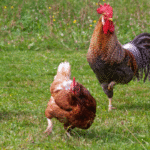
Biological control methods involve using natural predators to manage pest populations. Ladybugs and lacewings are beneficial insects that consume aphids and other pests. Introducing these organisms into a garden can significantly reduce pest numbers. For more substantial pests, like rats, you can consider introducing a cat or dog to your environment to act as effective rat control methods or contact a professional service if this seems too difficult.
Another effective strategy is the use of beneficial nematodes, microscopic worms that target soil-dwelling pests. Bacillus thuringiensis (Bt) is a bacterium used against caterpillars, providing a targeted approach without harming beneficial insects. Using these biological control agents harnesses the natural ecosystem to maintain balance.
Physical and Mechanical Barriers
Implementing physical and mechanical barriers is a straightforward way to deter pests. Floating row covers can protect young plants from insects while still allowing light and moisture to penetrate. These covers create a barrier that impedes access without the need for pesticides.
Sticky traps and pheromone traps also help monitor and control pest populations. Using diatomaceous earth around plants creates a barrier that prevents insects from reaching the foliage. These techniques are essential for reducing pest infestations organically.
Botanical Insecticides and Repellents
Botanical insecticides, such as neem oil and insecticidal soap, are effective alternatives to synthetic chemicals. Neem oil disrupts the life cycle of pests, making it difficult for them to breed and feed. It acts as both a repellent and a biopesticide.
Insecticidal soaps target soft-bodied insects like aphids and spider mites by suffocating them. Spinosad, derived from soil bacteria, effectively controls certain pests while being safe for beneficial insects when used as directed. These plant-based solutions provide a safer way to manage pests in an environmentally friendly manner.
Managing Specific Garden Pests
Effective management of garden pests involves identifying specific threats and implementing targeted strategies. By recognising common insects and addressing stubborn infestations efficiently, gardeners can protect their plants while maintaining a healthy ecosystem.
Dealing with Common Insects
Common garden pests like aphids, spider mites, and Japanese beetles can cause significant damage if left unchecked.
- Aphids: These small insects feed on plant sap, weakening plants and potentially spreading diseases. Introducing natural predators like ladybirds or using insecticidal soap can help manage their populations.
- Spider Mites: These mites thrive in dry conditions. Regularly misting plants can help reduce their numbers. Additionally, predatory mites are effective in keeping spider mite populations in check. If you’re also wondering why is there so many spiders in my house, it might be worth investigating overlapping environmental factors, as dry, sheltered indoor conditions can attract multiple types of arachnids.
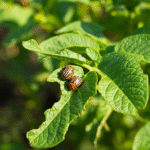
- Japanese Beetles: Handpicking these pests is effective, as they can devastate plants quickly. Traps baited with pheromones can reduce their numbers when placed strategically away from plants.
Targeting Stubborn Pests
Some pests, such as squash bugs and squash vine borers, can be particularly challenging.
- Squash Bugs: They frequently inhabit squash plants. Monitoring plants regularly and removing eggs by hand can prevent infestations. Neem oil can also deter adults.
- Squash Vine Borers: These pests burrow into stems, leading to wilting. Using row covers early in the season protects plants from eggs being laid. A systemic insecticide can be employed if infestations are severe.
Integrating multiple organic control methods ensures the effective management of these pests while minimising harm to pollinators and beneficial insects.
Implementing a Pest Management Plan
A structured pest management plan is essential for effective organic pest control. Focusing on crop rotation and diligent monitoring can significantly aid in maintaining crop health and minimising pest populations. This is not to say that pests won’t find their way into some areas of your garden and cause some damage, but you may be able to put a stop to it so it doesn’t go any further. If you notice that some plants or trees have been infected, then you may want to call in a Bozeman arborist, for instance, to help with tree removal.
Crop Rotation and Timing
Crop rotation is a critical strategy to disrupt pest life cycles and prevent infestations. Alternating crops in specific fields reduces the chances of pests that thrive on certain plants returning annually.
This practice also enhances soil health and nutrient cycling. For instance, planting legumes can enrich soil nitrogen, benefiting subsequent crops. Timing is equally vital; planting earlier or later than usual can evade peak pest populations, ensuring crops have a better chance of thriving.
Utilising native plants and companion planting can add additional layers of defence. These methods not only serve as natural insecticides but also attract beneficial insects that prey on pests.
Monitoring and Thresholds
Monitoring pest populations is essential for effective pest management. Regular inspections help identify pest presence early, allowing for timely interventions. Using sticky traps or scouting methods can provide valuable data regarding pest numbers and types.
Establishing action thresholds aids in decision-making. These thresholds indicate when pest populations reach a level needing intervention. Setting specific thresholds ensures that control measures are employed only when necessary, minimising the use of organic pesticides and preserving beneficial organisms.
Additionally, incorporating technology, such as apps and software, can streamline monitoring efforts. Collecting and analysing data enhances the ability to respond appropriately, ensuring a more efficient pest management plan.