






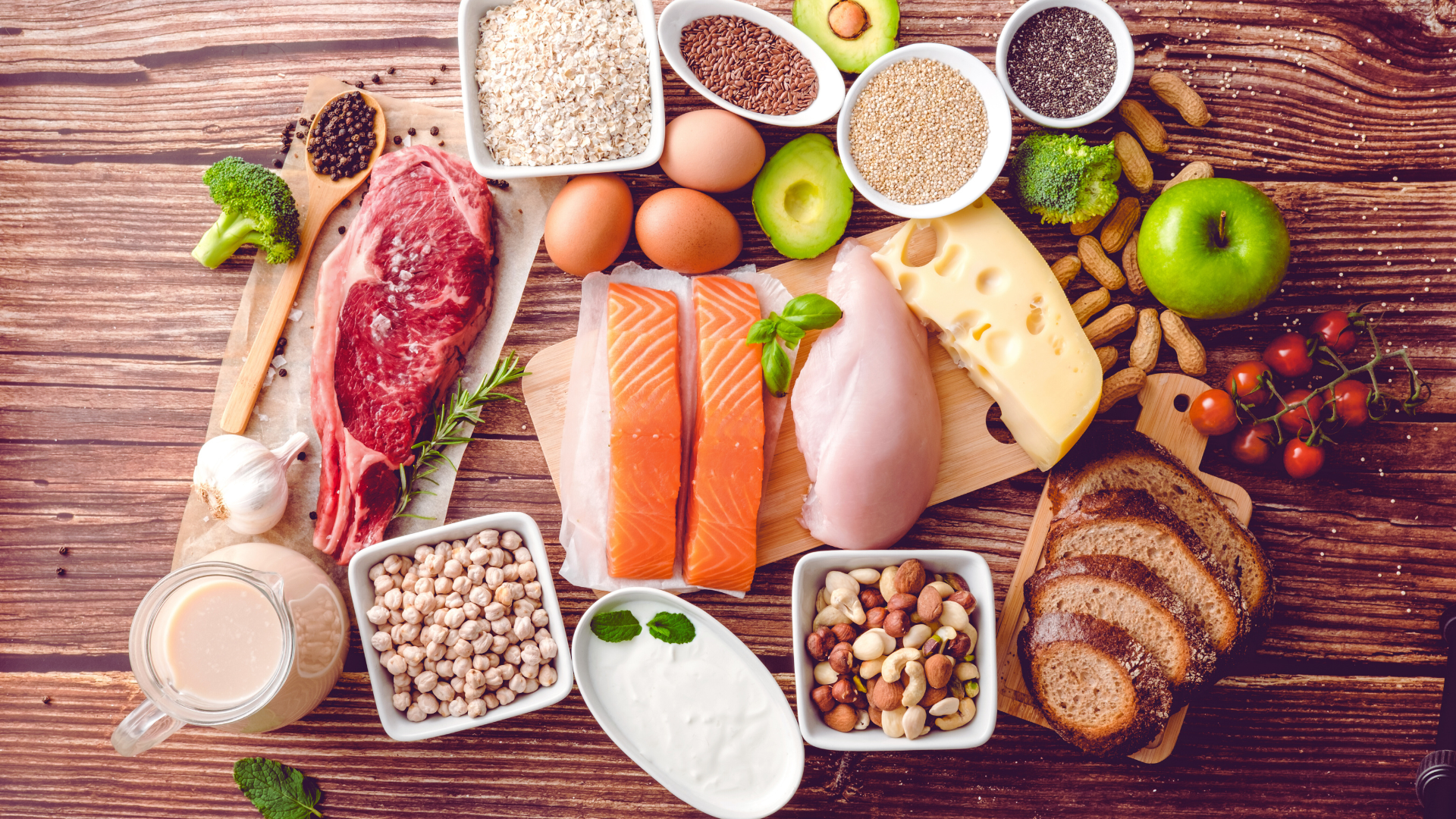

A strong immune system is essential for overall health, especially during cold and flu season. Incorporating nutrient-rich foods such as citrus fruits, nuts, and green leafy vegetables can significantly enhance immune function. These foods provide vital vitamins and minerals that help the body fend off illnesses and maintain well-being.
Many individuals overlook the role of diet in their immune health. Foods high in antioxidants and vitamins, particularly vitamin C and zinc, can play a crucial role in strengthening the body’s defence mechanisms. By understanding which foods to prioritise, readers can take actionable steps toward better health.
Exploring the connection between nutrition and immunity reveals simple yet effective choices anyone can make. A well-rounded diet filled with specific nutrient-dense foods can lead to improved resilience against common infections and diseases. Embracing these dietary strategies may pave the way for a healthier lifestyle.
Understanding Immunity and Nutrient Interactions
Nutrients play a crucial role in supporting immune function and enhancing the body’s ability to respond to infections. Specific vitamins and minerals are particularly important for maintaining a robust immune system and balancing these nutrients can lead to better health outcomes.
The Role of Nutrients in Immune Function
Vitamins and minerals are essential for the proper functioning of the immune system. Vitamin C acts as a powerful antioxidant, protecting cells from damage. It is also vital for the production of immune cells.
Vitamin A supports the integrity of mucosal surfaces, which are the body’s first line of defence against pathogens. Vitamin D modulates the immune response and can help prevent excessive inflammation.
Vitamin E, another antioxidant, is necessary for the maintenance of immune cell function. Minerals like zinc and selenium are crucial as well; zinc is involved in the development and function of immune cells, while selenium exhibits antioxidant properties that can enhance immunity.
Balancing Vitamins and Minerals for Optimum Health
A balanced intake of vitamins and minerals is key to optimal immune health. An anti-inflammatory diet rich in fruits, vegetables, lean proteins, and whole grains can help achieve this balance.
Specific dietary sources of these nutrients include citrus fruits for vitamin C, carrots for vitamin A, fatty fish for vitamin D, and nuts for vitamin E. Foods like shellfish and legumes provide significant amounts of zinc.
Moreover, vitamin B6 plays a vital role in immune response, supporting biochemical reactions in the immune system. Ensuring a varied diet that includes all these nutrients can help create a well-functioning immune system that is better equipped to handle infections effectively.
Top Immune-Boosting Foods to Include in Your Diet
Incorporating a variety of specific foods into the diet can significantly enhance immune function. This section highlights key categories of foods that provide essential nutrients to support the body’s defence system.
Fruit Focus: Citrus to Berries
Citrus fruits such as oranges, grapefruits, and lemons are rich in vitamin C, which is vital for the production of white blood cells. These fruits also contain antioxidants that help combat free radicals. Berries, including strawberries, blueberries, and raspberries, provide vitamins and flavonoids that further promote immune health.
These fruits offer a mix of vitamins and minerals, enhancing the body’s ability to fend off infections. Including a variety of these fruits in smoothies, salads, or snacks can optimise nutrient intake.
Vegetable Variety: Greens to Roots
Leafy greens like spinach and kale are packed with vitamins A, C, and K, along with antioxidants. These nutrients support immune function and reduce inflammation. Cruciferous vegetables like broccoli are also excellent choices, being rich in vitamins and phytonutrients that contribute to immune strength.
Root vegetables, such as carrots and sweet potatoes, provide beta-carotene, which the body converts to vitamin A, another key player in immune health. Adding a colourful array of vegetables to meals ensures a broad spectrum of essential nutrients.
Protein Power: Plant and Animal Sources
Protein is crucial for the body’s immune responses. Lean poultry, such as chicken and turkey, is a great source of high-quality protein and provides vital nutrients like vitamin B6. Fish, particularly fatty varieties like salmon and mackerel, are rich in omega-3 fatty acids and known for their anti-inflammatory properties.
Plant-based sources such as beans, lentils, and quinoa offer protein along with high fibre and antioxidants. Including both plant and animal proteins ensures a balanced intake of essential amino acids that support immune health.
Healthy Fats and Oils
Incorporating healthy fats into the diet supports the immune system. Nuts like almonds and seeds such as sunflower seeds are rich in vitamin E, an important antioxidant. These healthy fats help reduce inflammation in the body and promote optimal immune function.
Olive oil is another excellent source, packed with anti-inflammatory compounds. Using these fats in cooking or as part of dressings can enhance both flavour and nutritional content. Including these fats can bolster the body’s overall health and resilience against illness.
Lifestyle Considerations for Maintaining a Healthy Immune System
A healthy immune system relies on numerous lifestyle factors, including sleep patterns, physical activity, stress management, and dietary choices. Addressing these components can significantly enhance immune function and overall well-being.
The Impact of Sleep and Physical Activity
Quality sleep is crucial for a robust immune response. Sleep deprivation can lead to increased susceptibility to infections. During deep sleep, the body undergoes repair and regeneration processes, which are vital for immune function.
Physical activity also plays a significant role. Regular exercise helps improve circulation, allowing immune cells to move more freely throughout the body. Aim for at least 150 minutes of moderate aerobic activity each week. This can include walking, cycling, or swimming, which support cardiovascular health and immune resilience.
Stress Management and Gut Health
Chronic stress negatively impacts the immune system, leading to higher levels of cortisol, which can suppress immune responses. Effective stress management techniques, such as mindfulness, meditation, and deep-breathing exercises, can promote a healthier immune function. It would also do the body good to go for regular massages to help reduce stress. It is easy to find a spa center, just by looking up key phrases such as “Massage spa near me in Omaha, NE” for instance, can put people on the right path.
Gut health is intricately connected to the immune system. A diverse microbiome can enhance immunity. Consuming probiotics found in yoghurts, kefir, and fermented foods can support gut health. A balanced intake of fruits, vegetables, and whole grains also fosters a healthy gut environment, which in turn supports immune function.
Dietary Patterns: Beyond Single Nutrients
A balanced diet is fundamental to maintaining immune health. Incorporating a variety of nutrient-dense foods ensures the intake of essential vitamins and minerals. Plant-based diets rich in antioxidants from fruits and vegetables can offer protection against oxidative stress.
It is important to include sources of healthy fats, such as olive oil and nuts, as they also provide anti-inflammatory benefits. Focusing on whole foods rather than processed options not only supports the immune system but also contributes to long-term health. Consistent, healthy eating patterns are key for optimal immune function.
Avoiding Counterproductive Habits
Maintaining a strong immune system involves not just consuming nutrient-rich foods but also steering clear of habits that can undermine health. Alcohol, saturated fats, and fast food can negatively impact how effectively the body fights infections.
The Effects of Alcohol and Saturated Fats
Excessive alcohol consumption can weaken the immune system by disrupting the balance of gut bacteria. This imbalance may lead to increased susceptibility to infections. Furthermore, alcohol can impair the body’s ability to produce immune cells and antibodies, crucial components in the immune response.
Saturated fats, commonly found in fatty cuts of meat, butter, and full-fat dairy, can also hinder immune function. High intake of these fats has been linked to inflammation, which can dampen the immune response. Choosing healthier fat sources, such as olive oil and avocado, can help maintain immune efficiency.
Steering Clear of Fast Food and Processed Snacks
Fast food and processed snacks are often high in unhealthy fats, sugar, and salt. Regular consumption of these foods can lead to weight gain and obesity, both of which are associated with a weakened immune system. Additionally, the preservatives and additives found in many processed snacks can negatively affect gut health.
Opting for whole, minimally processed foods provides essential vitamins and antioxidants that support immunity. For instance, fresh fruits, vegetables, nuts, and seeds should replace processed snacks. Eating a balanced diet rich in these foods can enhance the body’s natural defence mechanisms against illness.