


In an era where food security is a growing concern, greenhouse farming emerges as a vital solution. This method enables the cultivation of year-round crops by providing a controlled environment that optimises growing conditions. With innovations in technology and sustainable practices, growers can maximise yield, reduce reliance on seasonal weather patterns, and ensure a consistent supply of fresh produce.
Greenhouses offer the flexibility to cultivate various plants regardless of the climate outside, allowing for diverse crop production throughout the year. This approach not only supports local economies but also contributes to reducing the carbon footprint associated with transporting out-of-season produce. By harnessing the power of greenhouse farming, communities can take significant steps toward achieving sustainable food systems.
As individuals and societies seek ways to enhance food resilience, greenhouse farming stands out as a promising strategy. It empowers growers to respond to market demands while addressing the challenges posed by climate change and population growth. The shift towards year-round crop production could redefine agricultural practices and secure a more stable food supply for future generations.
The Essentials of Greenhouse Farming
Greenhouse farming provides a controlled environment that is crucial for optimising crop production throughout the year. Understanding the key elements of greenhouse farming—such as the structure itself, necessary components, and the selection of crops—can significantly enhance productivity and efficiency.
Understanding Greenhouses
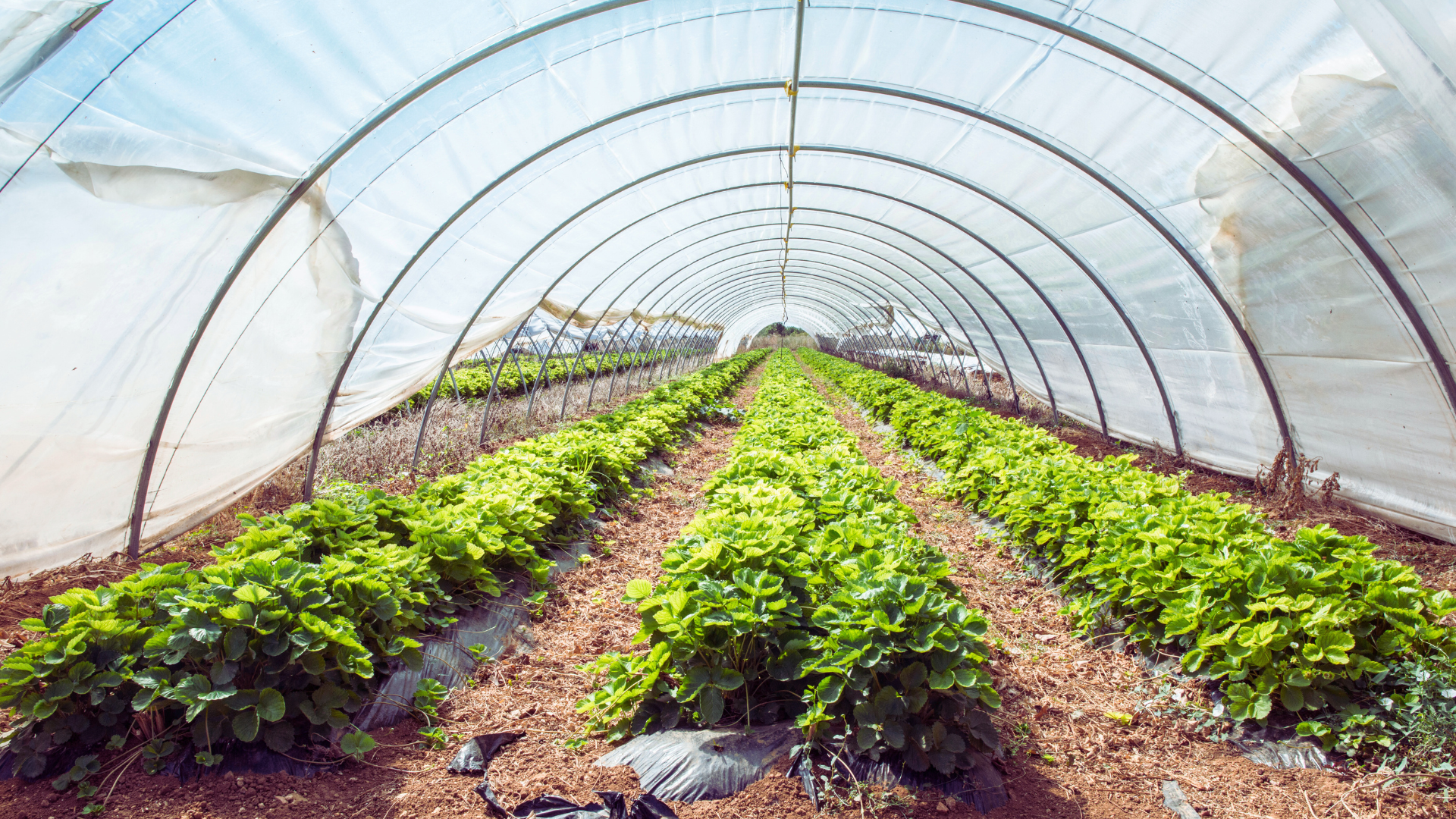
A greenhouse is a structure designed to provide optimal growing conditions for plants. It utilises glass or transparent plastic to allow sunlight in while maintaining an insulated environment. This setup enables year-round cultivation, protecting crops from harsh weather conditions.
Climate control within the greenhouse is vital. It includes managing temperature, humidity, and ventilation. Each of these factors plays a crucial role in plant health and growth. Proper insulation and the use of shading materials can also help regulate temperature, creating a stable environment for various plants.
Components of a Greenhouse
Key components of a greenhouse include the frame, covering material, and systems for heating, cooling, and lighting.
- Frame Materials: Common frame materials are aluminium, wood, or steel. Each has its benefits in terms of durability, cost, and insulation properties. Regardless of the material, it can be beneficial to consult professionals to establish a strong and stable foundation. One can visit site similar to this to further research the various construction options available.
- Covering Materials: Glass, polycarbonate, and polyethene film are typical choices. Each material affects light transmission and insulation differently. Glass can be an excellent source for light transmission, but it can also be heavy and costly. Meanwhile, polyethylene film is the most affordable option, which is easy to install and suitable for temporary structures.
- Climate Control Systems: Glass, polycarbonate, and polyethene film are typical choices. Each material affects light transmission and insulation differently. Glass can be an excellent source for light transmission, but it can also be heavy and costly. Meanwhile, polyethylene film is the most affordable option, that is easy to install, and suitable for temporary structures.
- Lighting Systems: Supplemental lighting may be necessary, especially during shorter days. LED grow lights are popular for their efficiency and spectrum control. These lights can be adjusted to mimic the natural daylight cycle. This can promote healthier growth and higher yields.
Choosing the Right Crops
Selecting suitable crops is essential for successful greenhouse farming. Popular greenhouse crops include a variety of vegetables, fruits, and herbs.
- Greenhouse Vegetables: Tomatoes, cucumbers, and peppers thrive in a controlled environment.
- Greenhouse Fruits: Strawberries and cucumbers are frequently cultivated.
- Herbs: Basil, parsley, and mint are well-suited for greenhouse conditions.
Factors influencing crop selection include local climate, market demand, and cultivation knowledge. Understanding the specific light, temperature, and humidity needs of each crop ensures optimal growth and yield.
Year-Round Production Techniques
Year-round production techniques are essential for maximising output in greenhouse farming. These methods harness technology and innovative practices to ensure optimal growth conditions for crops throughout the year.
Controlled Environment Agriculture
Controlled Environment Agriculture (CEA) optimises plant growth by managing temperature, humidity, and light levels. This system allows for precise control over the growing conditions, creating an ideal environment for various crops.
Key Components of CEA:
- Temperature Control: Maintaining optimal temperatures for specific crops.
- Humidity Management: Using ventilation and humidifiers to ensure appropriate moisture levels.
- Lighting Systems: Implementing flexible lighting schedules that cater to the plants’ needs.
CEA enhances productivity and reduces the risk of disease by providing consistent conditions. By integrating smart technology, it enables real-time monitoring and adjustments, resulting in a more efficient farming process.
Advanced Climate Management
Advanced climate management techniques utilise innovative tools to further enhance growth year-round. These methods include integrated climate control systems, which synergise with physical greenhouse structures.
Strategies Employed:
- Dynamic Ventilation: Adjusts airflow based on external conditions, improving crop health.
- Thermal Screens: Reduces heat loss during colder months and minimises energy consumption.
- Environmental Sensors: Monitor CO2, light intensity, and temperature for precise adjustments.
These strategies not only safeguard crops but also contribute to sustainability by significantly lowering energy usage. The integration of technology is vital for adapting to changing environmental conditions.
Innovative Farming Methods
Innovative farming methods, such as hydroponics, aeroponics, and vertical farming, play a crucial role in year-round crop production. These techniques enable the efficient use of space and resources while ensuring consistent output.
Popular Techniques:
- Hydroponics: Growing plants in nutrient-rich water, eliminating soil-related issues.
- Aeroponics: Mist-based systems provide nutrients directly to plant roots, enhancing growth.
- Vertical Farming: Stacks layers of crops, maximising space and reducing land use.
These methods allow for increased yields while also minimising waste and resource consumption. Adopting such innovative practices is vital for the future of sustainable agriculture.
Crop Selection and Management
Effective crop selection and management are crucial for successful greenhouse farming. This involves choosing varieties that meet market demand, implementing diverse crop rotation, and employing strategies for pest and disease control.
High-Demand Varieties
Selecting high-demand varieties can significantly enhance profitability. Cucumbers, tomatoes, and peppers are popular choices due to their consistent market appeal.
Key Factors in Selection:
- Market Trends: Regularly consult market reports to identify trending crops.
- Seasonality: Choose crops that thrive in varying seasonal conditions within the greenhouse.
- Quality: Opt for varieties known for their taste, appearance, and shelf life.
Herbs such as basil and parsley also have strong market demand. Leafy greens like lettuce, spinach, and kale can cater to health-conscious consumers, making them excellent options for year-round cultivation.
Crop Rotation and Diversity
Implementing crop rotation is essential for maintaining soil health and maximising yield. This technique limits the depletion of specific nutrients and disrupts pest and disease cycles.
Principles of Crop Rotation:
- Alternation of Families: Rotate crops within different plant families to prevent soilborne diseases.
- Seasonal Rotation: Use fast-growing crops alongside slower ones to make the most of available space.
- Diversity: Incorporating a range of crops can improve resilience against pests and diseases.
Mixing crops like broccoli with leafy greens can enhance biodiversity, which supports the overall health of the greenhouse ecosystem.
Disease and Pest Control
Effective disease and pest management is vital for sustainable greenhouse farming. The use of integrated pest management software has become increasingly valuable in helping growers track pest activity, schedule treatments, and make informed decisions based on real-time data. When combined with practical strategies, this technology supports a more precise and environmentally conscious approach to crop protection.
Pest Management Strategies:
- Biological Control: Introduce beneficial insects that prey on pests, reducing the need for chemical treatments.
- Regular Monitoring: Frequent inspections help identify early signs of pests or diseases, allowing for prompt action.
- Chemical Controls: When necessary, select targeted chemical solutions that minimise harm to beneficial organisms.
Maintaining cleanliness in and around the greenhouse also plays a significant role in preventing infestations. For instance, in cases where bees or other pollinators become problematic within enclosed spaces, seeking out options for eco-friendly bee extermination can ensure safety without compromising environmental responsibility. This holistic approach to pest and disease management contributes to a thriving greenhouse environment.
Sustainability and Efficiency in Greenhouse Farming
Greenhouse farming promotes sustainable agricultural practices while enhancing efficiency in resource use. Effective management strategies can significantly reduce environmental impacts and improve yield consistency throughout the year.
Enhancing Sustainability
Sustainable practices in greenhouse farming include using renewable energy sources, such as solar panels and wind turbines, to power operations. Implementing integrated pest management helps minimise chemical usage while ensuring plant health.
Crop rotation and companion planting can improve soil health and biodiversity within greenhouses. The use of organic fertilisers contributes to sustainability by reducing reliance on synthetic options. By adopting these practices, growers can achieve long-term productivity while preserving ecosystem integrity.
Irrigation and Resource Management
Efficient irrigation techniques, like drip irrigation, optimise water use significantly. This method delivers water directly to the plant roots, minimising evaporation and runoff. In contrast, traditional watering methods can lead to excess water use and nutrient leaching.
Resource management involves using sensors, including thermometers and moisture probes, to monitor conditions. These devices enable precise adjustments to irrigation schedules, reducing waste. Strategies such as rainwater harvesting and recycling greywater further enhance efficiency, ensuring that renewable resources are utilised effectively.
Adapting to Climate Challenges
Extreme weather conditions pose significant risks to traditional farming, making greenhouse farming a viable alternative. Greenhouses provide a controlled environment that protects crops from harsh weather, such as frost, heatwaves, or heavy rainfall.
Incorporating climate-resilient crops is essential for adapting to changing conditions. Selecting varieties better suited to withstand extreme temperatures or pests can enhance yield reliability. Proper ventilation and shading systems within greenhouses can also contribute to maintaining optimal growing conditions throughout year-round cultivation.