


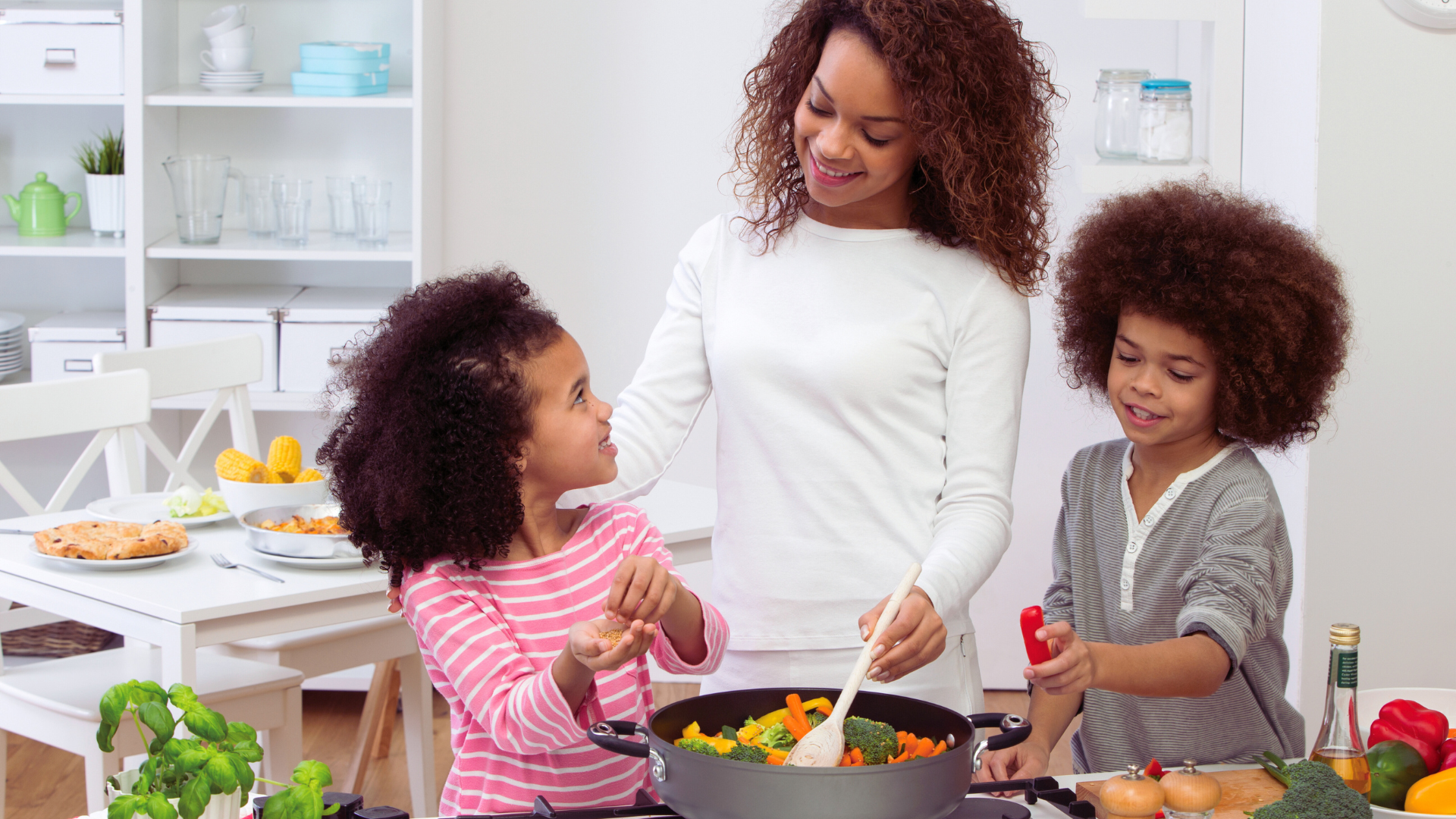

Families often struggle to incorporate enough vegetables into their meals. Exploring creative and enjoyable methods can make a significant difference in getting everyone on board with eating more greens. By making vegetables exciting and accessible, mealtime can become a more nutritious and enjoyable experience for everyone involved.
Innovative ideas, such as blending vegetables into delicious smoothies, transforming them into fun shapes, or involving children in the cooking process, can spark interest in trying new flavours. With simple swaps and playful presentation, parents can encourage even the pickiest eaters to embrace a wider variety of vegetables.
In addition to enhancing meals, these strategies can foster healthy eating habits that last a lifetime. Learning how to make vegetables a fun part of the dining experience opens doors to creativity in the kitchen and promotes a love for wholesome foods.
Incorporating Vegetables Into Breakfast
Adding vegetables to breakfast is a practical way to boost nutrition. Creative approaches make it easy for families to enjoy their morning meals while increasing their intake of essential vitamins and minerals.
Sneaky Spinach Smoothies
Spinach smoothies offer a clever way to incorporate greens without sacrificing flavour. By blending spinach with fruits like bananas, berries, and a splash of nut milk, they remain delicious and appealing.
A basic recipe might include:
- 1 cup fresh spinach
- 1 banana
- 1/2 cup mixed berries
- 1 cup almond milk
These ingredients provide protein and antioxidants while hiding the spinach taste. Adding nut butter or protein powder can further enhance the nutritional profile, making it a well-rounded breakfast option.
Veggie-Packed Omelettes and Scrambles
Omelettes and scrambles present an excellent platform for introducing various vegetables. Adding chopped onions, bell peppers, and kale not only enhances the taste but also increases the meal’s nutritional value.
A simple recipe could include:
- 2 eggs
- 1/4 cup diced onion
- 1/2 cup chopped kale
- Salt and pepper
Cooking these ingredients together yields a filling meal rich in protein and fibre. Parents can tailor the vegetables to suit their children’s preferences, ensuring they enjoy the flavours while benefiting from the added nutrients.
Savoury Breakfast Bowls
Breakfast bowls can be a hearty way to incorporate vegetables alongside grains and proteins. Using a base of quinoa or brown rice allows for a variety of toppings, including sautéed spinach, roasted sweet potatoes, and diced tomatoes.
A suggested combination might include:
- 1/2 cup quinoa
- 1/2 cup sautéed spinach
- 1/4 cup diced tomatoes
- A poached or fried egg
This approach maximises nutrition and creates a visually appealing dish. The combination of colours and textures can entice even the fussiest eaters to enjoy their veggies at breakfast.
Vegetable-Infused Snacks and Sides
Incorporating vegetables into snacks and side dishes can enhance nutritional value while appealing to family members of all ages. Below are some creative options that use vegetables, making meals not only healthier but also more enjoyable.
Crunchy Carrot and Zucchini Muffins
Carrot and zucchini muffins serve as a delicious snack or breakfast option. Combining grated carrots and zucchini adds moisture while boosting fibre content.
- Ingredients: Wholemeal flour, grated carrots, grated zucchini, eggs, and honey.
- Method: Mix wet and dry ingredients separately. Combine them, then bake at 180°C for 20-25 minutes.
Adding sesame seeds on top before baking enhances the texture and flavour. These muffins are a perfect way to introduce kids to vegetables in a subtle, enjoyable form.
Healthy Homemade Veggie Chips
Homemade veggie chips provide a crunchy alternative to traditional snacks. Various vegetables such as beetroot, kale, and carrots can be sliced thinly and baked until crispy.
- Preparation: Toss the sliced vegetables in olive oil and seasonings like salt or paprika.
- Baking: Spread evenly on a baking tray and bake at 150°C for about 20 minutes, flipping halfway.
This approach allows for customisation in flavours and ensures the absence of preservatives. They are a healthier option rich in fibre and perfect for munching during movie nights.
Fresh and Fibrous Salads
Salads can be made exciting by including vibrant vegetables that boost both flavour and nutrition.
- Base Ingredients: Leafy greens, vibrant bell peppers, and shredded carrots add colour and crunch.
- Protein Boost: Incorporate beans or nuts for added fibre and protein.
A dressing made from olive oil, lemon juice, and herbs enhances the taste. Salads can be served as sides or as main dishes. This versatile option ensures everyone can enjoy their veggies while exploring different combinations throughout the week.
Creative Main Courses With Vegetables
Incorporating more vegetables into main courses can be both fun and delicious. Creative recipes can make the experience enjoyable while boosting nutrition.
Veggie-Packed Pizza and Pasta
Pizza and pasta serve as excellent bases for vegetable integration. For pizza, start with a wholegrain base or a cauliflower crust. Top it with a hearty tomato sauce, then add a variety of vegetables, such as peppers, mushrooms, onions, and spinach.
Consider using fresh herbs like basil for added flavour. For pasta, opt for wholemeal or lentil-based varieties. Incorporating roasted vegetables, such as zucchini and cherry tomatoes, can add texture. A simple recipe could involve sautéing garlic and adding chopped vegetables, tossing them with cooked pasta, and finishing with cheese or nutritional yeast.
Bean-Based Comfort Foods
Beans are a versatile and nutritious ingredient. They offer protein, fibre, and the ability to enhance many dishes. Bean-based chillies and stews are great ways to incorporate veggies.
A bean chilli can include kidney beans, black beans, and chopped tomatoes, alongside diced peppers and onions. Adding spices like cumin and paprika can elevate flavours. Consider making a bean and vegetable burger using mashed beans, grated carrots, and finely chopped bell peppers, served with a side salad or sweet potato fries for a wholesome meal.
Stuffed Peppers and Sweet Potatoes
Stuffed peppers and sweet potatoes provide a tasty option for incorporating various vegetables. For stuffed peppers, the filling can include brown rice, quinoa, black beans, and assorted vegetables.
Season appropriately and bake until the peppers are tender. Sweet potatoes can be baked or roasted; after cooking, they can be filled with black beans, corn, and avocado for a nutritious twist. Topping with Greek yoghurt or salsa can add an extra layer of flavour, making these dishes both appealing and satisfying.