-

Fun Ways to Get More Veggies into Your Family’s Meals: Creative Ideas for Healthy Eating
Families often struggle to incorporate enough vegetables into their meals. Exploring creative and enjoyable methods can make a significant difference in getting everyone on board with eating more greens. By making vegetables exciting and accessible, mealtime can become a more nutritious and enjoyable experience for everyone involved. Innovative ideas, such as blending vegetables into delicious…
-

How Your Diet Affects Your Mental Well-Being: The Connections Between Nutrition and Mind Health
The connection between diet and mental well-being has gained significant attention in recent years, revealing that what one eats can profoundly impact their mental health. Research indicates that a balanced diet rich in nutrients not only supports brain function but also plays a critical role in emotional regulation. This underscores the importance of nutrition in…
-

How Adding More Plant-Based Meals Can Improve Your Health and Well-Being
Incorporating more plant-based meals into one’s diet presents a practical approach to enhancing overall health. The shift towards whole plant foods can lead to numerous nutritional benefits, including improved heart health, weight management, and greater energy levels. Rich in vitamins, minerals, and antioxidants, these meals provide essential nutrients while often being lower in calories compared…
-

The Health Benefits of Beans and Legumes: Nutritional Powerhouses for a Healthy Diet
Beans and legumes are often overlooked in discussions about healthy eating, yet they offer a wealth of nutritional benefits. These foods are rich in protein, fibre, vitamins, and minerals, making them an excellent choice for maintaining overall health and aiding in disease prevention. Their versatility allows for easy incorporation into a variety of dishes, appealing…
-

How to Plan Healthy Meals with Fresh, Local Food: A Simple Guide to Nutritious Eating
Planning healthy meals with fresh, local food begins with an understanding of available seasonal produce. Incorporating fruits, vegetables, and grains from nearby farms not only supports local economies but also enhances the nutritional value of meals. These ingredients often retain more nutrients and flavour compared to imported options, making them a superior choice for health-conscious…
-

How Wetlands Help Wildlife and Prevent Floods: Essential Ecosystems for Biodiversity and Flood Management
Wetlands play a crucial role in maintaining biodiversity and supporting wildlife. These unique ecosystems provide habitat for numerous species, including birds, amphibians, and aquatic life. By fostering diverse wildlife populations, wetlands contribute significantly to the health of our planet’s ecosystems. In addition to being vital for wildlife, wetlands are essential for flood protection. They act…
-

Why Healthy Soil is Key to Fighting Climate Change:Carbon Sequestration and Ecosystem Resilience
Healthy soil plays a crucial role in the battle against climate change. By improving soil health, agricultural practices can significantly enhance carbon sequestration, helping to mitigate climate impacts. Soil degradation poses a significant threat, as depleted soils release stored carbon back into the atmosphere, exacerbating global warming. Investing in practices that promote soil health not…
-

How Regenerative Farming Improves Soil Health and Sustainability
Regenerative farming has emerged as a powerful solution for improving soil health. By prioritising practices that enhance biodiversity, these methods restore soil structure and increase nutrient cycling, leading to more resilient ecosystems. As the agricultural sector grapples with the challenges of climate change, these sustainable approaches are proving essential for long-term food security and environmental…
-
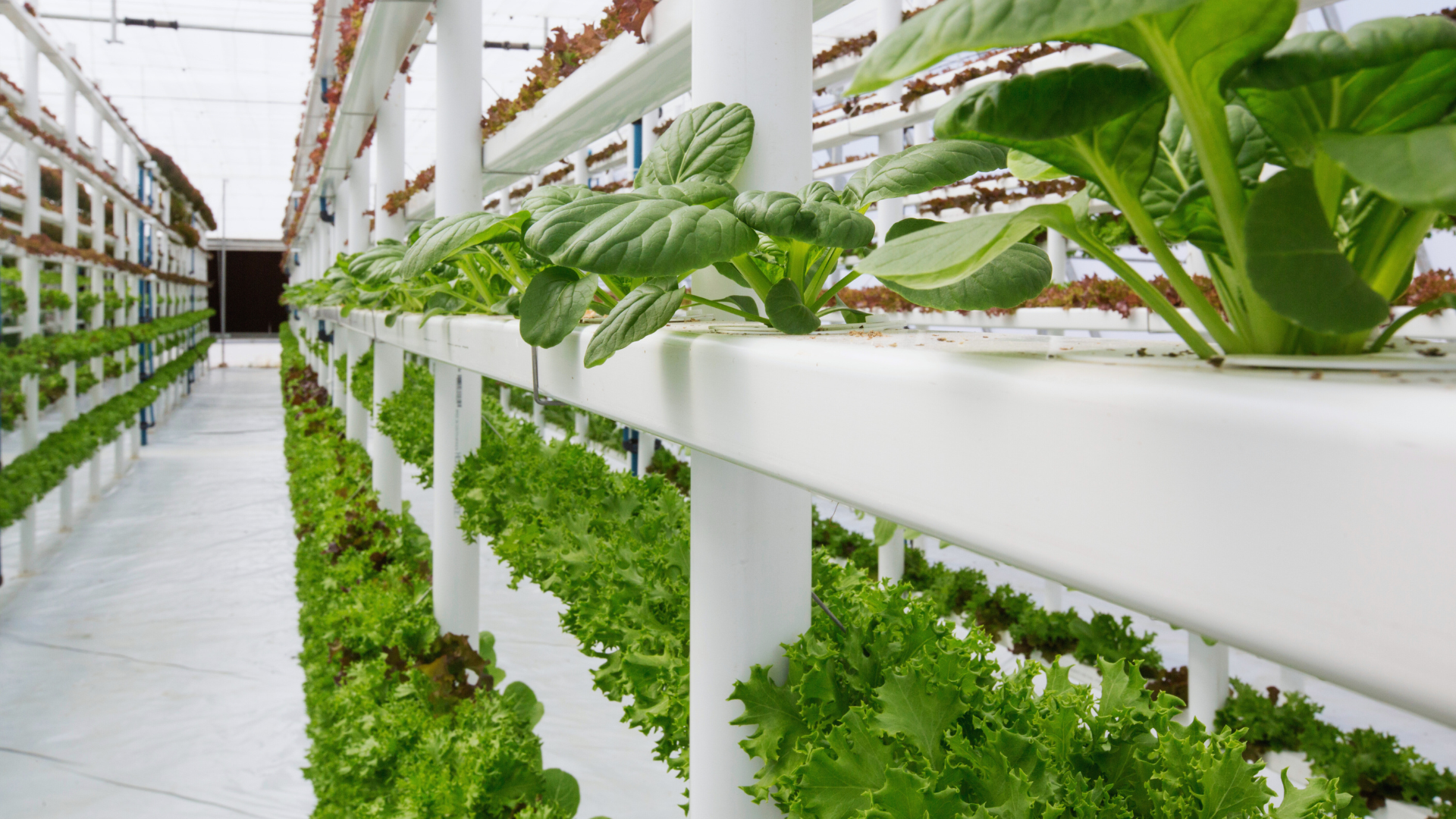
What is Vertical Farming? Exploring Agricultural Techniques for Sustainable Food Production
Vertical farming is an innovative agricultural practice that involves growing crops in controlled, indoor environments, often using stacked layers. This method maximises space and optimises resource use, allowing for food production in urban areas and regions with limited arable land. By harnessing technology such as hydroponics and aeroponics, vertical farms can reduce the reliance on…
-

Why Composting Farm Waste is Good for the Soil: Enhancing Soil Health and Fertility
Composting farm waste is a sustainable practice that significantly benefits soil health. By transforming organic waste into nutrient-rich compost, farmers can enhance soil structure, improve moisture retention, and increase microbial activity. This not only nourishes crops but also contributes to long-term agricultural productivity. Incorporating compost into farming practices reduces the need for synthetic fertilisers, which…

Categorise
Recent Posts
- Why Reconnecting With Land Improves Wellbeing: Exploring the Health Benefits of Nature Connection

- Why Homegrown Food Tastes Better and Lasts Longer: Benefits for Health and Sustainability

- Why Eco-Habits Start with Small Steps for Lasting Environmental Impact

- Why Crop Rotation Matters on Small Farms for Sustainable Soil Health and Increased Yields
- Why Chickens Are Great For A Regenerative Garden: Benefits And Practical Tips