-

How Meal Planning Reduces Food Waste and Saves Money Efficiently
Meal planning directly reduces food waste by allowing individuals to buy only what they need for specific meals. When people plan their meals ahead, they avoid impulse purchases and limit the risk of ingredients spoiling before use. This simple strategy leads to better portion control and prevents unnecessary leftovers that often go uneaten. By organising…
-

How Living Off-Grid Builds Resilience Through Practical Self-Sufficiency and Preparedness
Living off-grid forces individuals to develop practical skills and self-reliance in managing resources like water, energy, and food. This lifestyle builds resilience by teaching people how to adapt to challenges without relying on external systems or government services. When the grid fails or crises arise, those living off-grid are prepared to handle interruptions because they…
-

How Herbs Can Boost Everyday Wellness for Improved Health and Vitality
Herbs have long been valued for their ability to support daily health and wellness through natural compounds that promote balance in the body. Many herbs contain antioxidants, vitamins, and minerals that contribute to improved immune function, digestion, and stress reduction. Incorporating herbs into everyday routines can enhance overall wellness by providing gentle, effective support without…
-
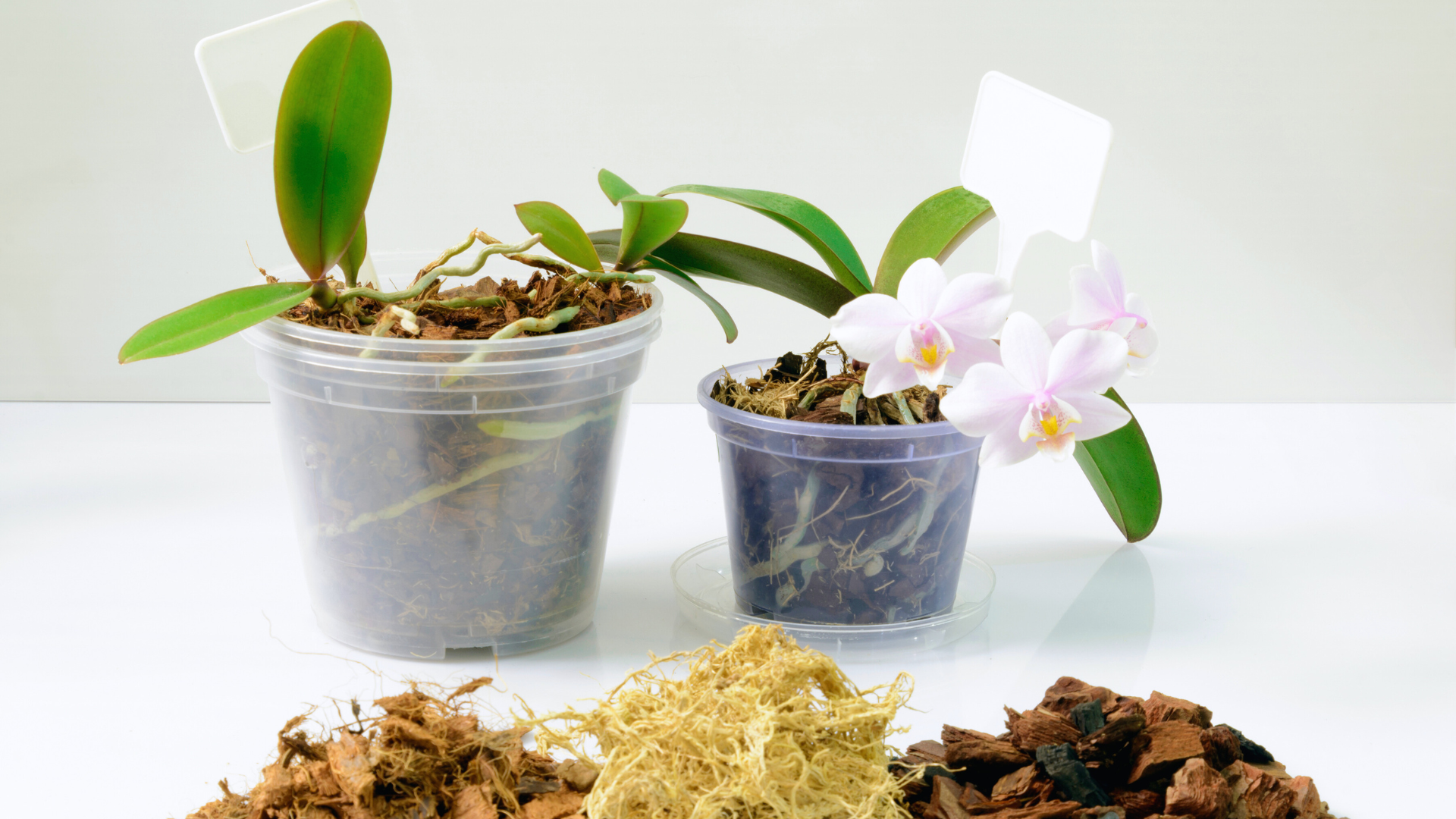
How Herbal Remedies Can Grow in Your Backyard: A Practical Guide to Cultivating Medicinal Plants
Many herbal remedies can be easily cultivated in a backyard with the right conditions and minimal effort. Plants like chamomile, mint, and lavender can grow well in most home gardens, providing fresh ingredients for natural health treatments. These herbs often require only basic soil preparation, adequate sunlight, and regular watering. Growing herbs at home offers…
-

How Companion Planting Benefits Crop Health and Enhances Sustainable Farming Practices
Companion planting is a gardening technique where different plants are grown close together to support each other’s growth. It benefits crop health by naturally reducing pests, improving soil quality, and enhancing plant resilience. By choosing the right combinations, gardeners can promote stronger, healthier crops without relying heavily on chemicals. This method works because certain plants…
-

How Climate Change Impacts Rural Living: Challenges and Adaptation Strategies
Rural communities are increasingly affected by climate change through shifts in weather patterns, which directly impact agriculture, water supply, and infrastructure. These changes create challenges such as reduced crop yields, more frequent droughts, and increased vulnerability to extreme weather. Access to resources and services often becomes more difficult as rural areas experience these environmental stresses.…
-

How to Read Food Labels to Make Smarter Choices for a Healthier Diet
Reading food labels is an essential skill for anyone aiming to make healthier choices. Understanding food labels can empower individuals to select nutritious options that align with their dietary goals. By focusing on key elements, such as serving sizes, calories, and nutrient content, consumers can better navigate the often confusing world of packaged foods. Nutrition…
-

How to Combine Livestock and Crops for Better Farming Practices
Combining livestock and crops is a strategy that many farmers are adopting to enhance their sustainability and productivity. Integrating livestock into a cropping system can lead to improved soil health, reduced reliance on chemical inputs, and increased economic resilience. This approach promotes nutrient cycling, where livestock manure enriches the soil and enhances crop yields. Farmers…
-

Why Organic Fertilisers Are Better Than Synthetic Ones: The Advantages for Sustainable Agriculture
The choice between organic and synthetic fertilisers can significantly impact the health of soil and crops. Organic fertilisers enrich the soil with vital nutrients while promoting biodiversity and ecological balance. As consumers become more aware of sustainable practices, the demand for organic options is steadily increasing. Synthetic fertilisers often deliver quick results, but they can…
-

Why Balancing Fats, Proteins, and Carbs is Important for Health
A balanced diet is essential for maintaining optimal health, and one of the key components of this balance is the proper ratio of fats, proteins, and carbohydrates. Each of these macronutrients plays a vital role in providing energy, supporting bodily functions, and promoting overall well-being. Balancing these nutrients can significantly enhance an individual’s nutrition and…

Categorise
Recent Posts
- Why Reconnecting With Land Improves Wellbeing: Exploring the Health Benefits of Nature Connection

- Why Homegrown Food Tastes Better and Lasts Longer: Benefits for Health and Sustainability

- Why Eco-Habits Start with Small Steps for Lasting Environmental Impact

- Why Crop Rotation Matters on Small Farms for Sustainable Soil Health and Increased Yields

- Why Chickens Are Great For A Regenerative Garden: Benefits And Practical Tips